2026 NFL bye weeks to shape fantasy plans, with Weeks 6 and 11 toughest
The 2026 NFL schedule reveals challenging fantasy football bye weeks, with Weeks 6 and 11 impacting elite player availability most significantly.
Mehmet Şahinoğlu ·
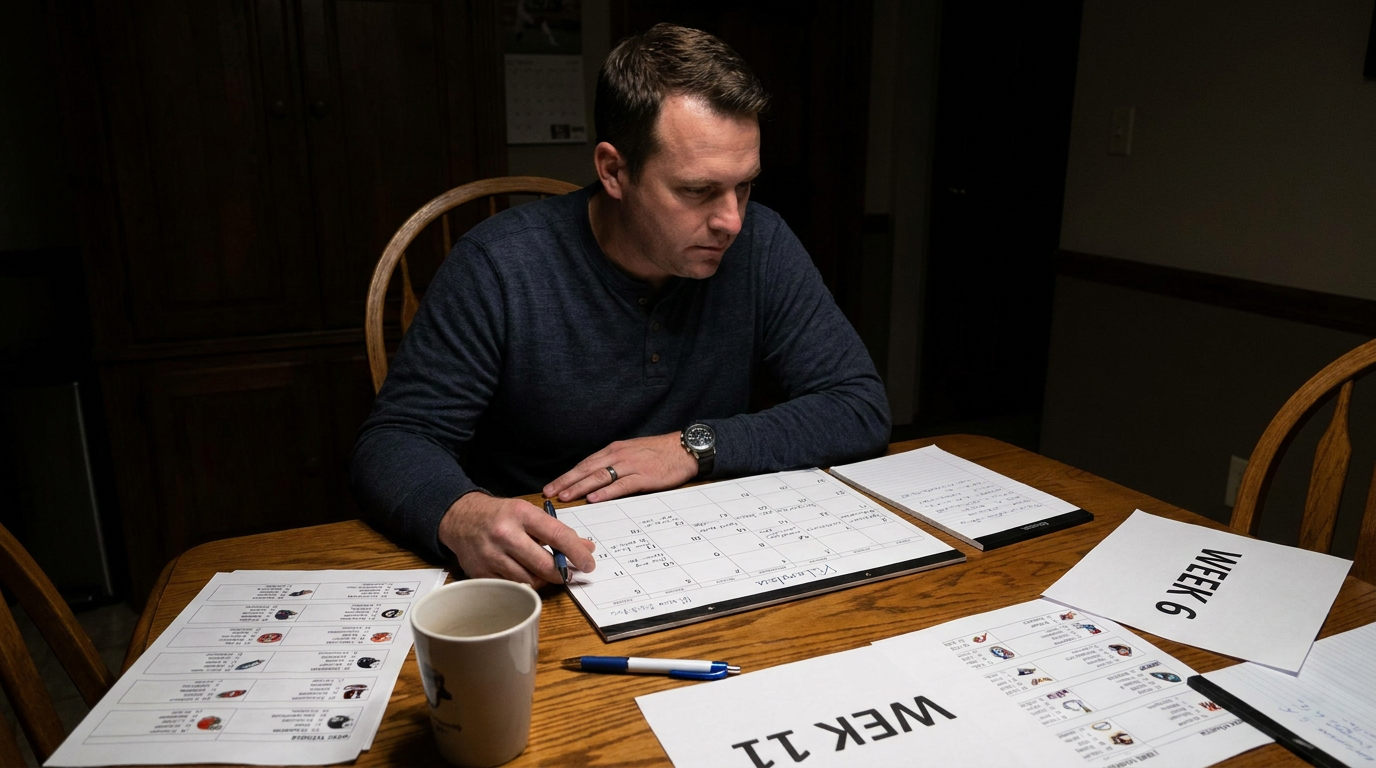
The 2026 NFL schedule release has kicked off fantasy draft planning, putting bye weeks under the microscope for managers in every format. Managers are mapping rosters around nine bye weeks and the ripple effects on depth and lineup flexibility. Early reads highlight Weeks 6 and 11 as the most challenging stretches, while Weeks 5 and 9 look comparatively manageable. Those patterns are already informing draft boards and contingency plans.
These bye-week clusters will influence not only draft-day decisions but also in-season waiver priorities and trade timing. Managers weighing risk can either consolidate absences into one heavier week or distribute exposure to avoid multiple short-handed lineups. In Knockout formats, where a higher weekly statistical floor reduces elimination risk, delaying the bulk of byes and preserving depth later in the season can be advantageous.
Two weeks stand out for elevated scarcity. Week 6 is projected to sideline a large share of elite options and could stress the flex position more than most slates. Week 11 also looms as a broad challenge with projected starters missing at all four skill positions, increasing the likelihood that managers will lean on bench pieces and streaming options. Anticipating those dips now can help prevent forced, low-upside lineup choices.
There are also windows where disruption should be limited. Week 5 is flagged as the least impactful, and Week 9 similarly projects minimal absence of top-tier players. Identifying these lighter weeks can inform when to target waiver-wire gambles, when to trade into stronger lineups, and how to allocate limited bench spots.
Injury recovery timelines always add a layer of uncertainty, but an early bye can help. The Kansas City Chiefs’ Week 5 break, for example, has been noted as potentially beneficial for quarterback Patrick Mahomes as he recovers from knee surgery. While that is just one case, it illustrates why aligning bye timing with health and depth considerations can tilt weekly outcomes.
Bye-week hotspots and roster risks in 2026
Week 6: Flex depth under pressure
Week 6 is projected to sideline 19% of the league’s elite fantasy talent, with notable hits from the Cincinnati Bengals, Detroit Lions and Miami Dolphins. Multiple first-round picks are expected to be unavailable, concentrating the pain at the flex and making lineup optimization tougher than usual. Managers who draft heavily from these offenses should secure bankable depth and consider early-season waivers to offset the loss.
Week 11: Starters missing across positions
Week 11 is highlighted for its cross-position impact, with multiple projected starters at quarterback, running back, wide receiver and tight end on bye. Teams such as the Philadelphia Eagles and Denver Broncos are among those affected, signaling a broad, roster-wide test. Planning now for a serviceable replacement at each position reduces the need for desperation adds when benches are thin.
Low-impact windows and draft planning
Week 5: Early bye for Chiefs and Panthers
Week 5 carries the lightest footprint, with only 6% of elite fantasy talent off, primarily from the Carolina Panthers and Kansas City Chiefs. Beyond the potential recovery benefit for Mahomes, the lighter slate should make it easier to maintain lineup quality and hold speculative bench stashes without sacrificing weekly floor.
Week 9: Minimal disruption with Steelers, Titans
Week 9 is also projected to be gentle, with just 1% of elite talent on bye, involving the Pittsburgh Steelers and Tennessee Titans. Streaming and short-term swaps should be easier to execute, allowing managers to pursue upside plays or consolidate depth without risking a weekly floor collapse.
As training camps open and projections update, managers should revisit bye-week exposure, monitor shifting roles, and adjust draft boards accordingly. Staying ahead of these calendar pinch points can protect weekly floor and preserve flexibility for late-season pushes.