France target third World Cup as Mbappé nears Fontaine record
France, ranked first globally, enters the 2026 World Cup with a strong squad, aiming for a third title under departing coach Didier Deschamps.
Mehmet Şahinoğlu ·
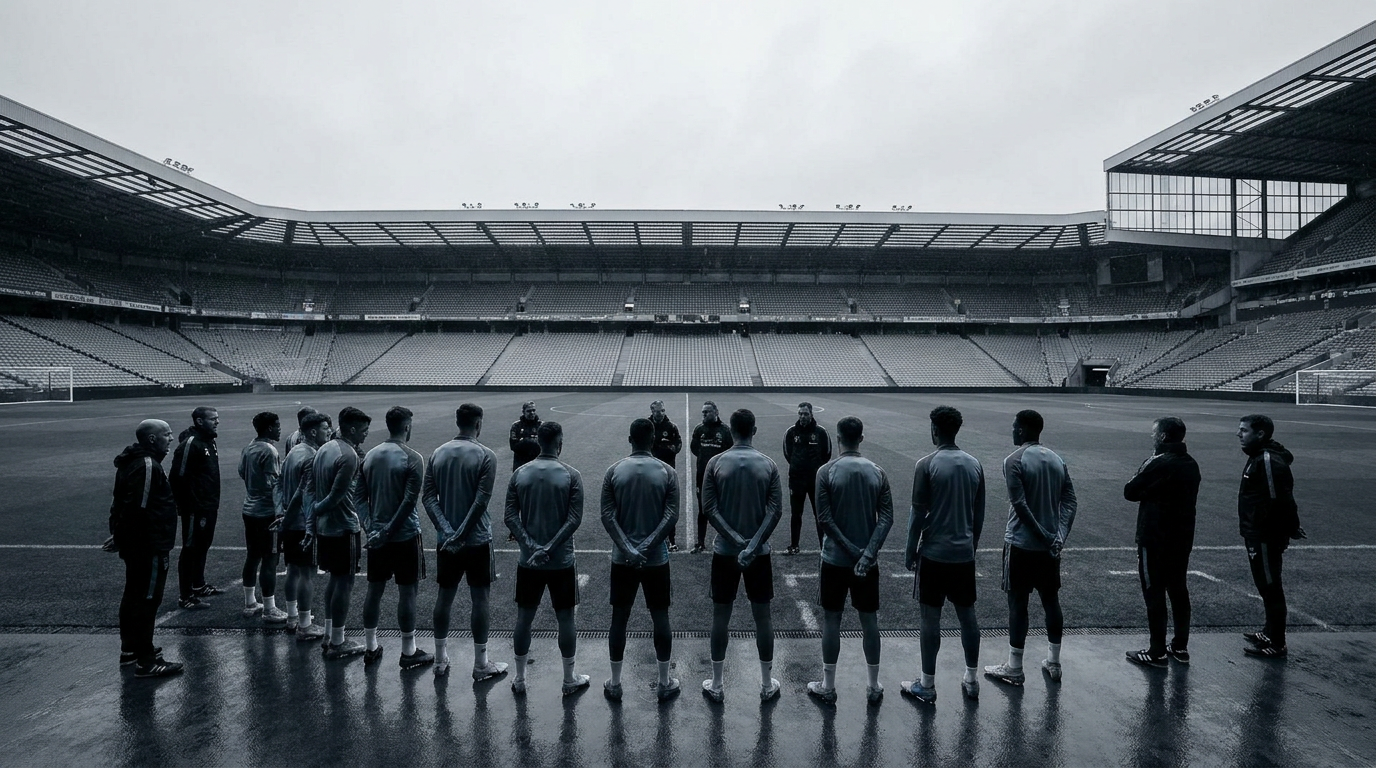
France, ranked No. 1 by FIFA, will open their 2026 FIFA World Cup campaign in North America on June 11 aiming for a third global title. Coach Didier Deschamps, in charge since 2012, has said he will step down after the tournament, sharpening the sense of a final push for this group. With proven depth and tournament pedigree, Les Bleus again arrive among the favourites.
France have lifted the trophy twice, in 1998 and 2018, and reached four finals across the last seven editions. Their first appearance came in 1930, and expectations now extend beyond team success to individual landmarks. The key storyline is Kylian Mbappé’s pursuit of Just Fontaine’s French World Cup scoring record.
Debate persists around Deschamps’ pragmatic approach, but his teams routinely reach the latter stages. The question is whether fitness, cohesion and in‑game management can convert talent into a third star this summer.
Star power and record chase
Mbappé’s pursuit of Fontaine’s mark
Mbappé enters the tournament after a prolific 2025–26 season with Real Madrid, producing 42 goals and seven assists in 44 matches in all competitions. He needs two goals to surpass Fontaine’s national World Cup total of 13 and will enter awards conversations if France go the distance. His tournament history includes a hat‑trick in the last World Cup final alongside quieter knockout outings.
Minor injuries and niggles did not derail his output this season. France’s plan again leans on unleashing his pace and end product both in transition and in longer spells of possession. His presence bends defensive structures and offers a decisive edge when margins tighten.
Selection balance and defensive core
Attacking depth and roles
Ousmane Dembélé is the reigning Ballon d’Or winner after spearheading Paris Saint‑Germain to a first Champions League crown, and he added a second Champions League title with victory on May 30 against Arsenal. Around Mbappé and Dembélé, the pool runs deep: Desire Doue offers youthful spark, while Michael Olise has delivered standout displays for Bayern Munich, including in the quarterfinals as the German champions knocked out Real Madrid.
Options such as Bradley Barcola, Marcus Thuram, Rayan Cherki and Jean‑Philippe Mateta broaden Deschamps’ tactical choices. The notable absentee is Liverpool forward Hugo Ekitike, ruled out by a ruptured Achilles tendon. With so many attackers, maintaining squad harmony and clarifying roles will be essential across a long tournament.
Defensive platform and Maignan’s command
France’s defence underpins their contender status. William Saliba anchors the centre with calm distribution and aerial strength, complemented by the pace and power of Dayot Upamecano. Jules Kounde offers reliability at right back, while Theo Hernandez and Lucas Digne provide contrasting options on the left. Depth pieces such as Ibrahima Konate and Lucas Hernandez reinforce a unit built for knockout football.
Behind them, Mike Maignan is set in goal, projecting authority in one‑on‑ones and on crosses. If France sustain defensive control while allowing the front line to decide tight matches, they fit the traditional profile of World Cup winners.
France’s path will turn on fitness, cohesion and game‑state management. Deschamps’ final act, Mbappé’s record chase and a blend of steel and stardust will define whether the top‑ranked side converts potential into a third star when the World Cup begins on June 11.