French Municipal Elections Test Political Landscape
French municipal elections on March 15 serve as a key barometer for the nation's political landscape ahead of the 2027 presidential election.
Lauren Collins ·
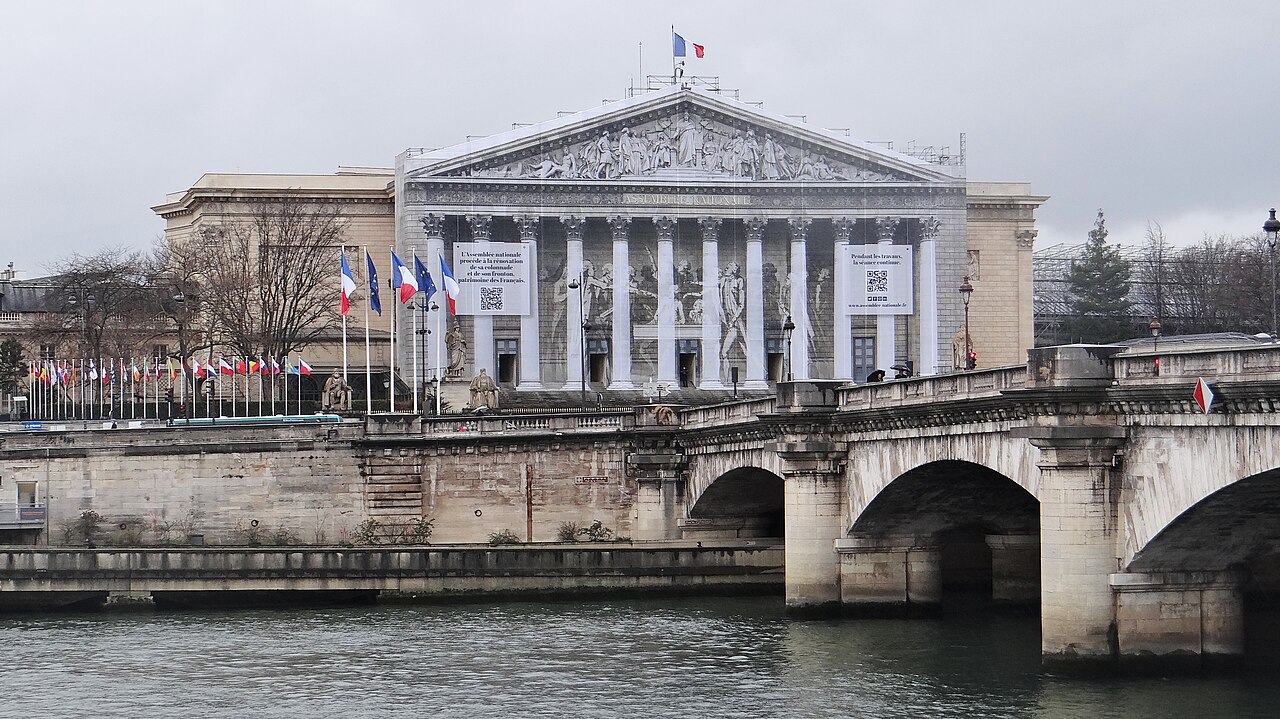
France initiated the first phase of its municipal elections on Sunday, March 15, with voting taking place across approximately 35,000 municipalities. These local contests are widely regarded as an important indicator of the nation's political sentiment, offering insights into potential shifts ahead of the 2027 presidential election. The elections focus on local governance issues such as urban development, public safety, and waste management.
The two-round electoral process, with the second round scheduled for the following Sunday, is particularly significant in major urban centers. Political observers are closely monitoring the outcomes to understand evolving party strategies and the formation of alliances within France's diverse political spectrum.
The results are expected to provide a snapshot of public opinion following the 2024 snap parliamentary election, which resulted in a fragmented National Assembly without a clear majority.
Far-Right Ambitions and Local Contests
The far-right National Rally (RN) is actively seeking to consolidate its presence, aiming to retain control of cities like Perpignan and potentially expand its influence in other municipalities such as Toulon and Nîmes. The party's performance in these local elections is seen as a measure of its broader electoral momentum.
A key factor influencing the RN's success will be the ability of left-wing parties to form strategic alliances between the two rounds of voting, a common tactic to counter far-right advancements.
Key Mayoral Races and National Implications
Several high-profile mayoral races are drawing national attention. In Paris, Rachida Dati is challenging the incumbent left-wing coalition, a contest that could signal shifts in the capital's political alignment. Meanwhile, in Le Havre, former Prime Minister Édouard Philippe's re-election bid is closely linked to his potential presidential aspirations. His success in this local race could bolster his standing for future national campaigns.
Voter Sentiment and Political Fragmentation
Polls suggest that while municipal elections are not a direct precursor to presidential contests, they effectively highlight prevailing political trends and voter preferences. A notable aspect of the current elections is the increased number of candidates running as independents, reflecting a growing dissatisfaction among voters with traditional national political parties.
This trend underscores a broader desire for local solutions and governance that is perceived as less entangled with national political disputes.
Context of Recent Political Events
These municipal elections occur against a backdrop of significant political turbulence. The snap parliamentary election held two years prior, in 2024, failed to produce an absolute majority, leading to a period of legislative gridlock and political uncertainty. This environment has amplified the importance of local elections as a gauge of public mood and a potential indicator of future national political realignments.
The outcomes will inform party strategies and coalition formations in the lead-up to the next presidential election.
Implications
Country Impact: The election results will offer critical insights into France's political landscape, potentially influencing party strategies and alliances for the 2027 presidential election. Increased independent candidacies suggest growing voter disillusionment with national politics.
Industry Impact: Local election outcomes can impact urban planning, public works, and local service contracts, affecting construction, waste management, and public transport sectors. Shifts in local governance may lead to changes in regional economic development policies.
Market Impact: While direct market impact is limited, significant shifts in political sentiment, particularly concerning the far-right, could introduce uncertainty. This might subtly influence investor confidence in French domestic policies and long-term economic stability.