Eleven NFL stadiums to revamp operations for 2026 FIFA World Cup
Eleven NFL stadiums are undergoing significant operational and infrastructural changes to host 2026 FIFA World Cup matches, entailing specialized playing…
Mehmet Şahinoğlu ·
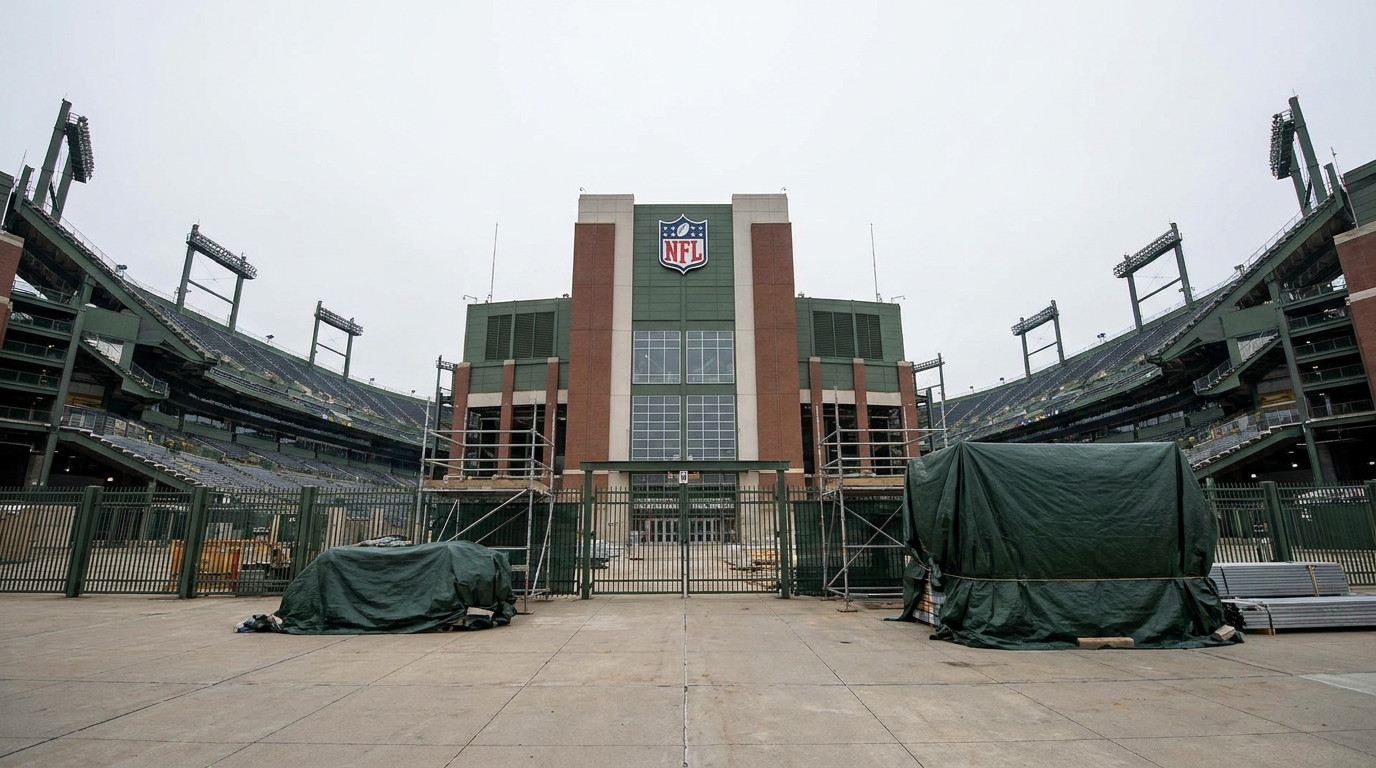
Eleven NFL stadiums across the United States are preparing extensive operational and infrastructure changes to host matches at the 2026 FIFA World Cup. Venue operators plan FIFA-compliant playing surfaces, temporary tournament names, and event blackouts during the competition. Team and city officials say the adjustments are manageable but significant given the tournament’s scale. Preparations will accelerate through 2025 as timelines, inspections, and venue guides are finalized.
Executives expect short-term trade-offs as NFL venues pivot from their usual calendars to multi-week soccer operations. Planning centers on match-day standards, security, and broadcast requirements specific to FIFA events. Dallas Cowboys owner Jerry Jones has highlighted the chance to align with soccer’s global audience and elevate his stadium’s profile, a view broadly echoed among host teams.
Operational shifts at NFL venues
Stadium operators will install playing surfaces that meet FIFA performance standards for soccer, replacing or upgrading fields typically used during the NFL season. Facilities will also adopt temporary, tournament-compliant names to meet sponsorship and neutrality rules. Calendars will tighten to accommodate training sessions, pitch maintenance, and clustered matchdays, with major concerts and other large-scale events paused around the tournament window.
Event blackouts are intended to protect pitch quality and simplify logistics between matches and team trainings. Officials involved in planning say the measures will minimize risk during group and knockout stages hosted in the United States and help venues pass FIFA inspections on schedule.
Balancing near-term costs with long-term upside
Host organizations anticipate increased outlays for field work, operations, staffing, and security, alongside foregone revenue from rescheduled concerts and ancillary events. They frame the expense as a strategic investment aimed at capturing long-term recognition, tourism gains, premium hospitality demand, and deeper corporate partnerships activated around the World Cup.
By contrast, some non-host NFL clubs have cited the logistical load and displaced revenue as reasons they were comfortable missing out. The divergence underscores the scale of the undertaking: staffing up for international broadcast demands, turning over venues between quick-succession matches, and meeting exacting readiness timelines.
Host committees and stadium operators are expected to finalize detailed schedules for field installation, naming protocols, and blackout periods as 2025 approaches. Fans and local stakeholders should watch for updated venue guides, transportation plans, and community impact schedules closer to kickoff.