US Airstrikes on Iran Disrupt Global Oil Markets
U.S. airstrikes in the Strait of Hormuz have disrupted oil transit, forcing a global reassessment of energy security and supply chain diversification.
Atlas Newsdesk ·
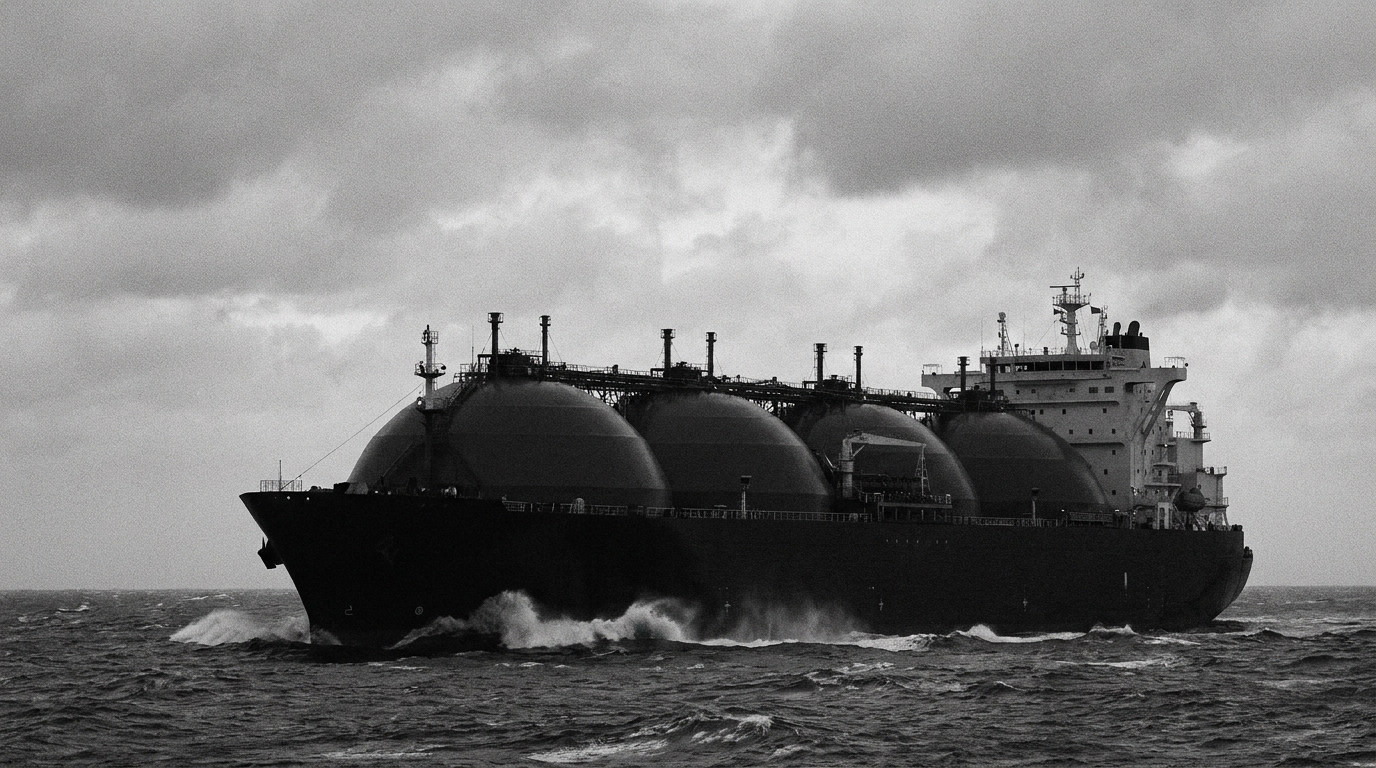
The United States launched airstrikes against Iranian targets on July 7 following repeated attacks on vessels in the Strait of Hormuz, prompting the suspension of a U.S. Treasury license for Iranian oil exports. The military escalation has intensified concerns regarding global energy security, as transit volumes through the critical maritime chokepoint remain below pre-conflict levels.
The disruption has highlighted structural vulnerabilities in the global energy supply chain. While Western markets remained relatively stable, Asian importers faced significant supply shortages, forcing rationing in countries like India and Nepal. The crisis underscored the reliance on strategic petroleum reserves, with the International Energy Agency and the U.S. government coordinating record stockpile releases to mitigate the loss of approximately 1.2 billion barrels of Mideast Gulf crude.
Market analysts note that the crisis has shifted the role of key global players. China has emerged as a critical swing consumer, utilizing massive domestic stockpiles to influence price volatility, while Western Hemisphere producers, led by the United States, have become essential in filling the supply gap left by inaccessible OPEC spare capacity. Moving forward, nations are expected to prioritize the expansion of domestic inventories and the diversification of crude sources to reduce dependence on Middle Eastern transit routes.