White House official defends Infantino after FIFA sale plan
White House official Andrew Giuliani backed Gianni Infantino on Aug. 15, 2026, after FIFA dropped a plan to sell 20% of FIFA Forward Enterprise.
Mehmet Şahinoğlu ·
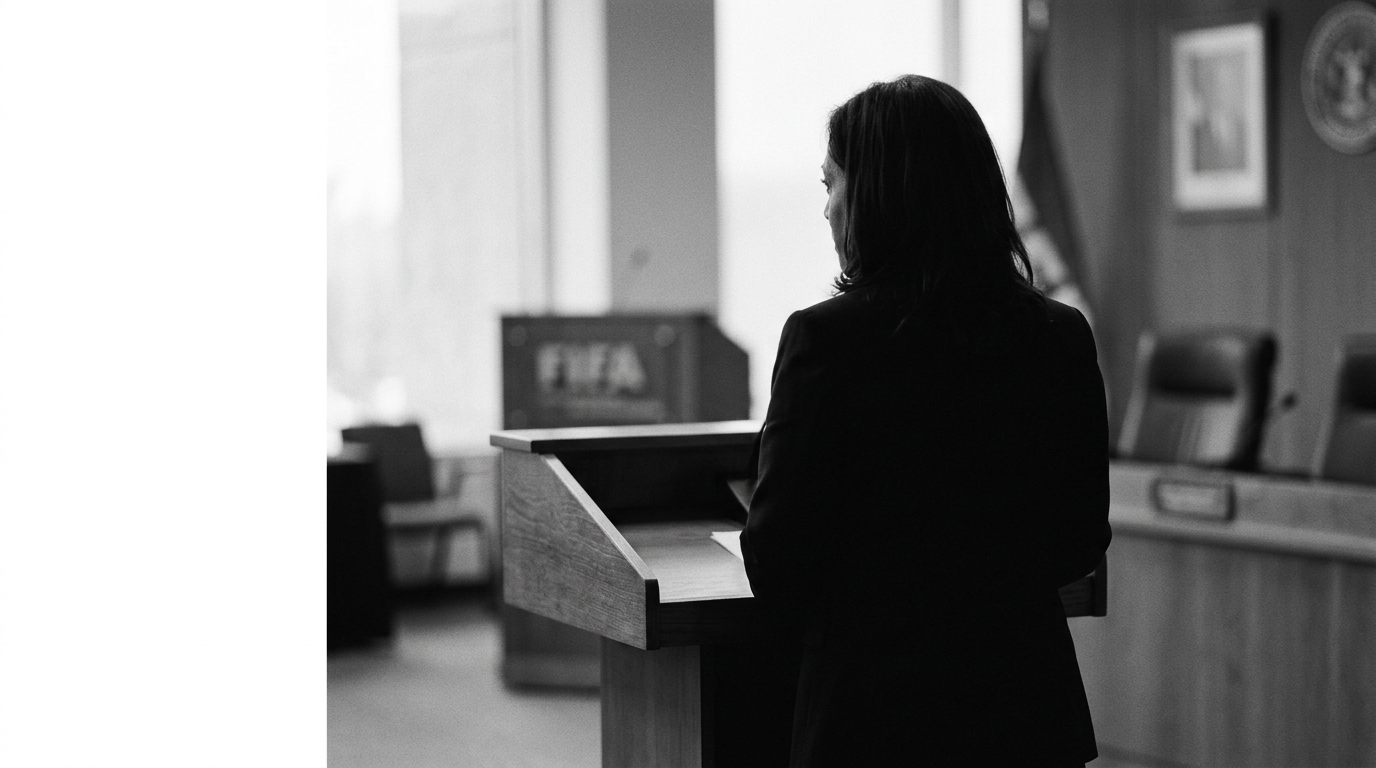
Andrew Giuliani, executive director of the White House Task Force for the 2026 FIFA World Cup, defended FIFA President Gianni Infantino in public remarks on August 15, 2026, pushing back against growing criticism of the football leader.
Giuliani portrayed the backlash against Infantino as politically driven and rooted in jealousy, arguing that opposition has less to do with governance concerns than with resentment toward Infantino’s profile and influence.
Stake sale proposal and the late-July reversal Andrew Stake sale proposal and the late-July reversal Andrew Giuliani Giuliani’s comments came weeks after Infantino stepped away from a disputed commercial plan. In late July, Infantino abandoned a proposal to sell a 20 percent stake in a new commercial entity, FIFA Forward Enterprise, to private investors. The plan had included potential involvement from investor Joshua Kushner. According to the account of events, the prospect of outside investment quickly drew heavy criticism and became a flashpoint inside the sport’s governing structure. UEFA, CONCACAF and AFC among groups signaling opposition Major football governing bodies were among the organizations that reacted strongly to the proposed structure and its implications. UEFA, CONCACAF, and the Asian Football Confederation were cited as key critics as the idea triggered significant backlash. Those bodies have since indicated a withdrawal of Those bodies have since indicated a withdrawal of support for Infantino’s re-election bid, which is scheduled for next year. The situation places new pressure on Infantino’s political standing within international football at a time when leadership legitimacy and commercial direction are under scrutiny. Separately, several national federations remain committed to opposing Infantino’s leadership, including the federations of England, Wales, Ireland, and New Zealand. The continued stance from those federations suggests that the dispute is not limited to one region or confederation.
Giuliani links Infantino criticism to domestic politics
He drew a parallel to political scrutiny faced In his defense of Infantino, Giuliani framed the resistance as the kind of pushback that can accompany high visibility and aggressive change. He drew a parallel to political scrutiny faced by President Donald Trump, describing the dynamic as familiar and driven by opponents’ motives rather than performance.
Giuliani also emphasized what he described as Infantino’s achievements, arguing that efforts to commercialize and monetize the sport are a necessary evolution for FIFA. He said Infantino “has taken them to a whole new level that probably they didn’t think was possible,” presenting the push toward expanded revenue as an institutional imperative.
The episode highlights continuing tensions between FIFA’s current leadership and parts of the football federation landscape over how the sport should be governed and how aggressively it should pursue commercial expansion. It remains unclear whether Infantino’s late-July reversal will be enough to rebuild support among confederations and national associations ahead of next year’s election.