McLaren climbs to third in 2026 F1 standings
McLaren climbs to third in the 2026 F1 standings, 159 points off the leader, after mid-season floor and front-wing upgrades delivered a win.
Mehmet Şahinoğlu ·
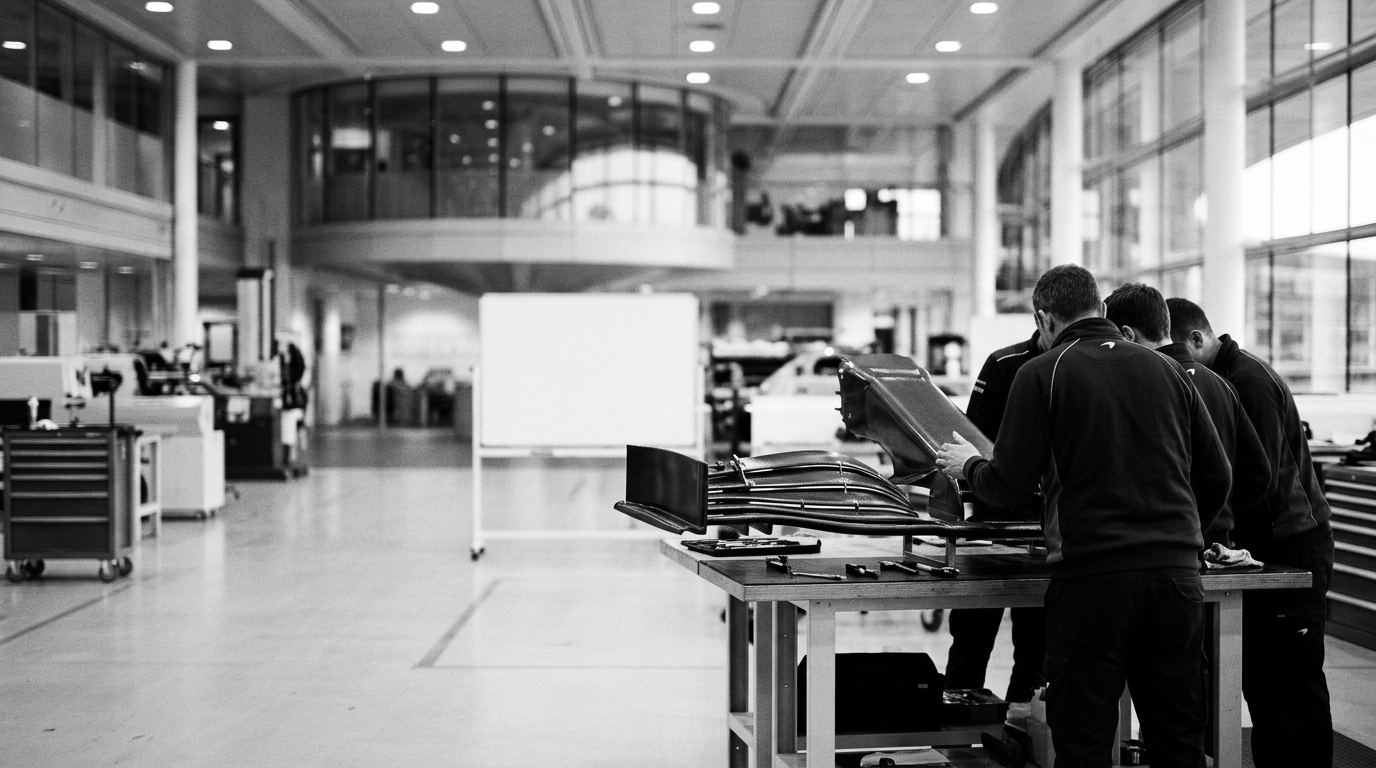
McLaren has moved up to third place in the 2026 Formula 1 constructors’ standings, sitting 159 points behind the current championship leader after the season’s midpoint. The Woking-based team’s rise follows a difficult opening phase shaped by early reliability setbacks and a slower-than-rivals start in developing its 2026-era car.
Officials and analysts linked McLaren’s initial struggles to decisions made during the 2025 season and the complexity of adjusting to the sport’s new 2026 regulations. The team was slowed by heavy resource allocation the year before and delays in both aerodynamic adaptation and power unit integration, which combined to create a notable performance gap at the start of 2026.
Early-season reliability and development lag
Both Oscar Piastri and Lando Norris suffered multiple McLaren’s first part of the campaign was also disrupted by operational reliability issues. Both Oscar Piastri and Lando Norris suffered multiple non-starts attributed to electrical failures, directly limiting the points the team could bank during the opening rounds. Alongside those incidents, the team was operating with a delayed chassis development cycle. The gap to key competitors in aerodynamic performance was estimated at roughly two to three months, leaving McLaren with less downforce and efficiency than it needed to consistently compete at the front early on. Those combined constraints meant the team’s early targets were shaped as much by damage limitation as by outright performance. With the new rules placing an emphasis on power unit-related changes, the size of the initial deficit was described as substantial, and closing it required a rapid response.
Mid-season upgrades change the trajectory
The Woking
A recent package of updates has significantly improved McLaren’s competitiveness. The upgrades focused specifically on the car’s floor and front wing, areas closely tied to aerodynamic load and balance, and they arrived as part of a broader push to accelerate technical iteration. That development step forward was reflected in results, culminating in a Grand Prix victory during the first half of the season. The win was presented as a marker that the team’s performance trend had shifted, rather than a single isolated outcome. Management has stressed that sustaining this progress will depend on keeping an aggressive upgrade schedule in place. Analysts have also pointed to that emphasis on continuous development as a key reason McLaren has been able to recover to third in the standings despite the earlier setbacks. Closing the gap, with longer-term aims McLaren’s current direction suggests it is reducing the performance deficit that became clear when the 2026 regulations, with their focus on power units, first took effect. Given the size of the early gap, the immediate priority appears to be maintaining steady improvement rather than framing 2026 as a straightforward title campaign.
The team’s stated objective is to strengthen its position and build on the momentum created by its mid-season gains, with an eye on challenging for top honours in the seasons that follow. How quickly it can match the leading pace will remain tied to reliability, development speed, and the effectiveness of future upgrade cycles.