Cadillac F1 Team Faces Reliability Struggles in Maiden Season
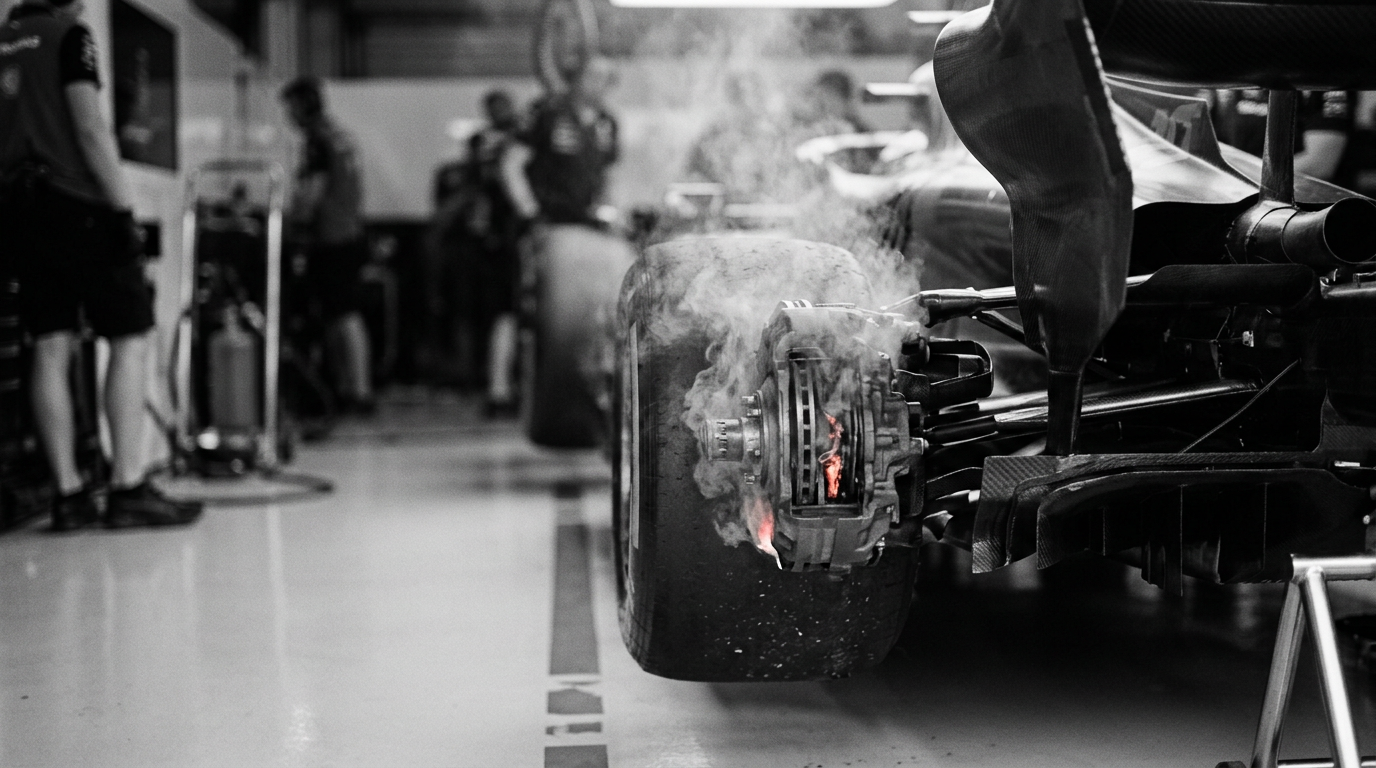
Cadillac F1’s 2026 debut has brought overheating, brake fires and suspensions failures, leaving the team on 0 points so far.
Mehmet Şahinoğlu ·
Cadillac Racing’s first Formula 1 season in 2026 has been defined by reliability problems, leaving the team without a point in the Constructors’ Championship so far. Persistent technical failures have repeatedly ended races early and limited the team’s ability to evaluate pace over full race distances.
Team information cited in the source points to a high attrition rate, with retirements driven by mechanical issues rather than on-track incidents. Overheating has been a recurring theme, alongside brake fires and repeated suspension failures that have disrupted both race execution and longer-term engineering work.
Reliability failures dominate Cadillac’s early campaign
Those issues have been reflected directly in the drivers’ results. Sergio Perez has recorded four retirements attributed to technical malfunctions, while Valtteri Bottas has had five retirements for the same reason, according to the source material.
With so many races ending prematurely, Cadillac has struggled to build a consistent development baseline. The team has also found it harder to measure whether changes are reducing the performance gap to the midfield when race weekends frequently end with incomplete data and limited representative running.
Missed chances, penalties, and an upgrade that failed to deliver Despite the setbacks, Cadillac has shown occasional signs of competitiveness. The clearest example cited was Sergio Perez coming close to scoring points in Monaco, indicating that the underlying package can perform in specific conditions when execution aligns.
However, the source says administrative penalties and grid-positioning errors have often erased potential gains. These operational setbacks have compounded the mechanical problems, adding further obstacles on weekends when the team appeared capable of improved results.
A major upgrade package introduced at the Austrian Grand Prix also failed to generate the hoped-for step forward. Instead of translating into measurable performance progress, the weekend ended with a double retirement, reinforcing the view that reliability has become the limiting factor in turning development work into results.
Even driver pace, stable staffing, and the key engineering task Internal metrics referenced in the source indicate a narrow margin between Perez and Bottas in qualifying and race pace. That suggests Cadillac has a relatively balanced driver pairing, with neither driver consistently delivering a markedly stronger performance advantage over the other based on those measures.
Even without points, Cadillac is prioritizing retaining experienced personnel. The stated aim is to bring stability to the programme and address systemic engineering deficiencies that have shaped the debut season.
The immediate priority remains improving fundamental reliability.
If the recurrent mechanical issues are fixed, the team could gather more complete data and better chart a development path.
If the failures continue, the source warns Cadillac may struggle to integrate future performance upgrades effectively, risking further stagnation in the Constructors’ Championship standings.