World Cup Commercialization Reshapes Global Football with Record Revenue
The 2026 World Cup highlights the long-term shift of football from a creative, accessible sport to a high-revenue, corporate-driven global industry.
Mehmet Şahinoğlu ·
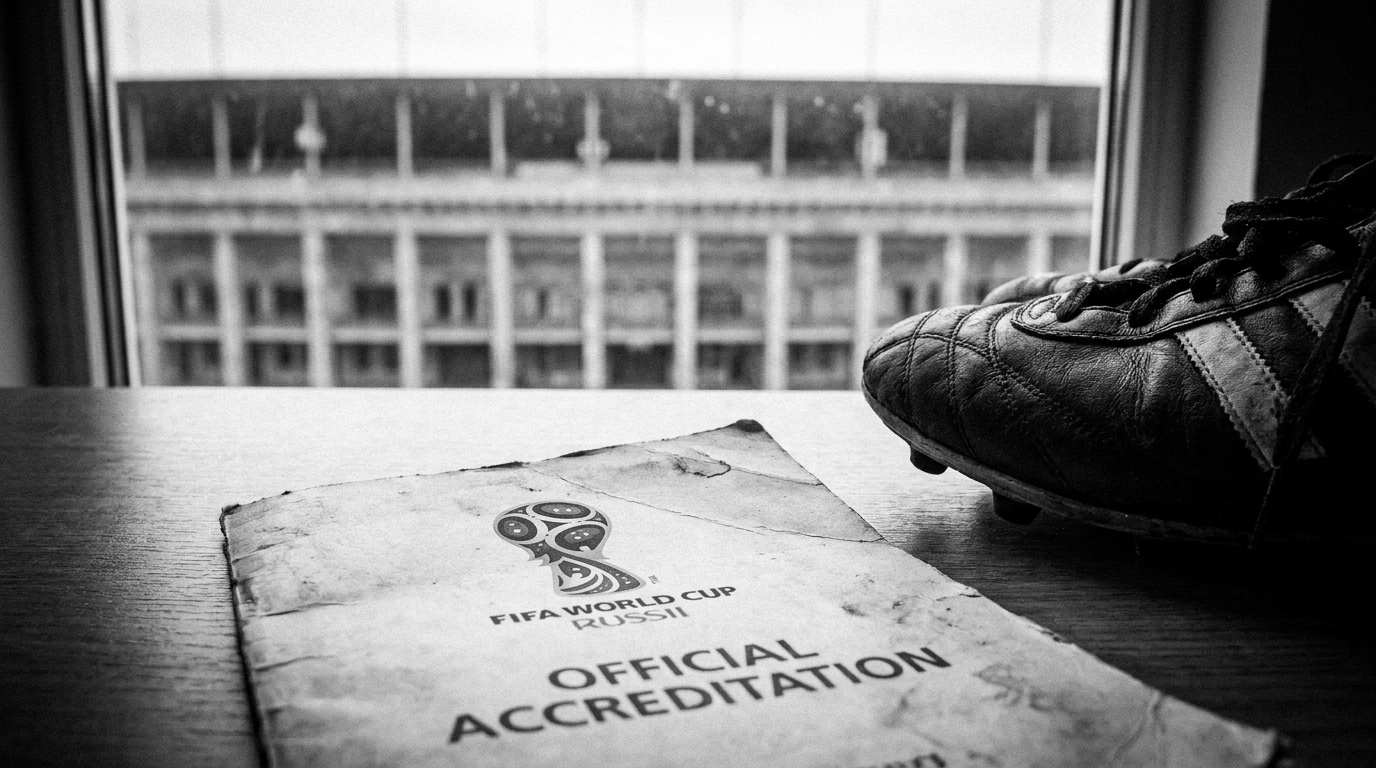
The 2026 FIFA World Cup highlights a significant shift in global football, moving its primary focus from traditional artistic play to a model increasingly driven by commercial revenue and strategic efficiency. This transformation gained momentum following the 1974 election of Joao Havelange as FIFA president, initiating a systematic corporatization.
This approach steered the sport away from the aesthetic brilliance, seen in the 1970 Brazilian national team, toward a commercially oriented, high-stakes competition.
This financial reorientation is evident in the explosive growth of broadcasting rights and extensive global sponsorship agreements involving multinational corporations. These economic changes have profoundly reshaped football's accessibility.
In England, for instance, top-tier ticket prices have surged by 800 percent since 1990. On the international stage, the 2026 tournament has generated revenue approaching $9 billion, with individual ticket prices ranging from $60 to over $10,000, reflecting the premium placed on live attendance.
Modern Tactics Prioritize Broadcast Appeal
A core mechanism driving this commercial shift involves prioritizing broadcast-friendly, efficient tactical systems over fluid, creative play. Teams increasingly optimize their strategies for financial outcomes directly linked to tournament progression and prize money. This influences everything from player roles to match-day approaches.
Consequently, football has transitioned from its origins as a working-class cultural staple to a high-value global entertainment product. This evolution has led to a widening gap between governing bodies and the traditional fan base, as the financial demands of the sport continue to outpace average fan affordability and engagement with its grassroots.
Revenue Goals Shape Club Strategies
This intensified commercialization significantly impacts club strategies, particularly within major European leagues. Financial success often dictates squad building, player acquisition, and overall club philosophy. Clubs must carefully balance the need for on-field success, which directly enhances market value and broadcasting appeal, with managing vast operational costs and escalating transfer fees.
The emphasis on winning trophies and securing lucrative sponsorships can sometimes overshadow critical aspects like long-term player development and club sustainability. This instead prioritizes achieving immediate competitive and financial returns and promotes a constant cycle of high investment and pressure for instant results across the top echelons of the sport.
Global Football's Economic Disparities
Globally, the increased commercialization of football makes a substantial contribution to the sports economy, with marquee events like the World Cup serving as significant, albeit temporary, economic boosters for host nations. However, it also raises critical questions regarding wealth distribution within the sport. This exacerbates the disparity between elite clubs and smaller entities.
This trend often concentrates talent, financial resources, and media attention among a few wealthy leagues and powerful clubs. This impacts competitive balance across various domestic and international competitions and challenges the financial viability and community role of smaller, more localized clubs worldwide.
The prevailing trajectory suggests a continued focus on expanding into new markets, particularly in Asia and North America, to further diversify and grow revenue streams for the sport's major stakeholders.