FIFA awards India World Cup rights to Zee in eight-year broadcast pact
FIFA secured a deal with Zee Entertainment for the 2026 World Cup broadcast rights in India, providing Zee a foothold in the sports market.
Mehmet Şahinoğlu ·
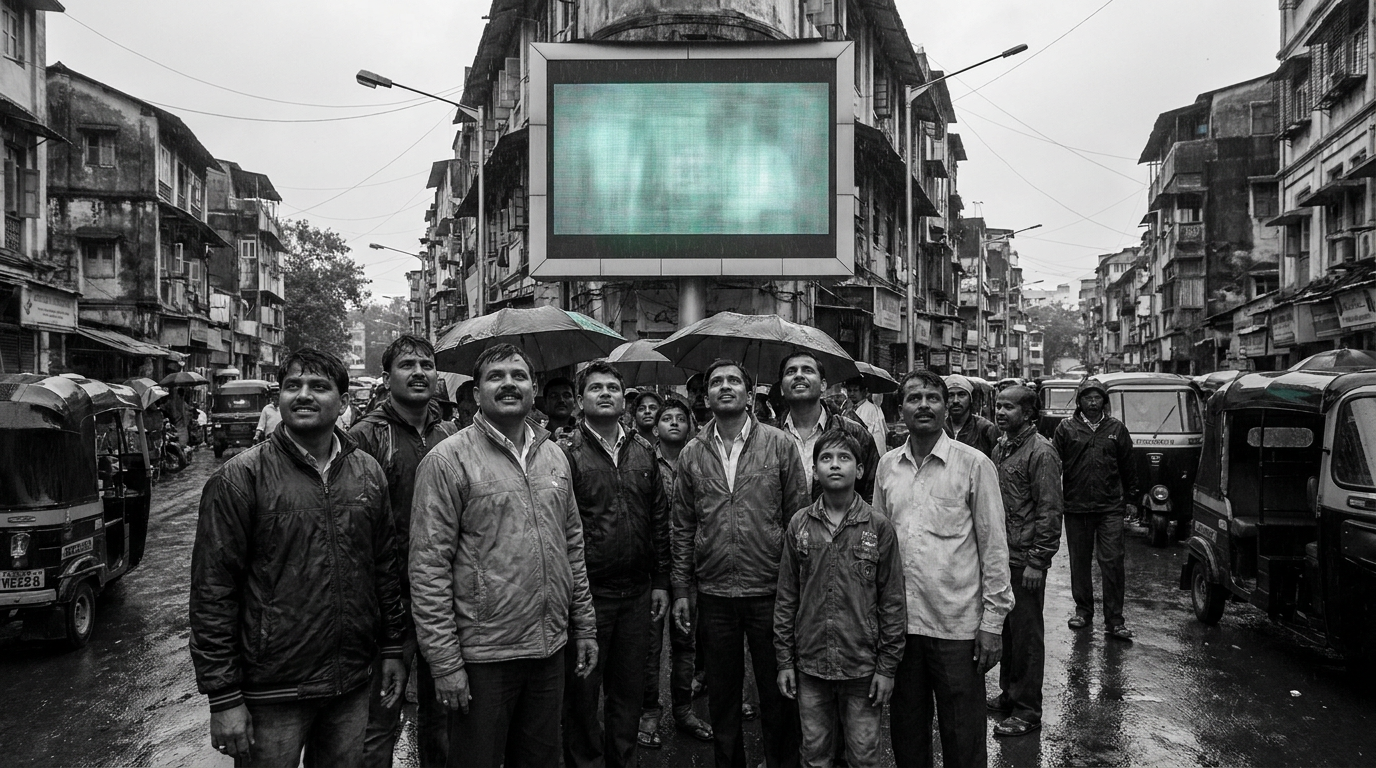
FIFA said on June 1 that it finalized a broadcast agreement with India’s Zee Entertainment for the 2026 FIFA World Cup, securing coverage in one of the last major markets where rights remained unsold. The announcement comes just 10 days before the tournament kicks off on June 11 across the United States, Canada and Mexico. The multi-year arrangement also grants Zee rights to a wider slate of FIFA events through 2034. Financial terms were not disclosed.
The pact ends months of uncertainty over the World Cup’s availability in India, a fast-growing football audience within a cricket-dominant market. A joint statement from FIFA and Zee said the package covers 39 FIFA events, including the 2026 men’s World Cup and the 2027 Women’s World Cup. Investors welcomed the development, with shares of Zee up around 7% after the agreement was made public.
Industry reports indicated FIFA initially targeted about $100 million for an India package covering the 2026 and 2030 tournaments before revising expectations to roughly $60 million. People familiar with the talks said a separate offer near $20 million from Reliance and Disney’s joint venture JioStar was rejected. By comparison, Viacom18, JioStar’s predecessor, paid about $60 million for rights to the 2022 World Cup in Qatar, when kickoff times were more favorable for Indian audiences.
Scheduling was a key factor in the prolonged sale. With matches played in North America, many fixtures will air late at night in India, reducing prime-time windows and complicating the commercial outlook for broadcasters. That time-zone gap cooled bidding interest compared with recent cycles and lengthened negotiations in one of FIFA’s last unsold major markets.
Deal scope and pricing
Rights coverage through 2034
Zee’s agreement spans 39 FIFA events over an eight-year window ending in 2034. The joint statement said the package includes the 2026 men’s World Cup and the 2027 Women’s World Cup, alongside other FIFA competitions scheduled during the term.
Valuation and negotiation dynamics
According to people familiar with the process, FIFA’s initial target for India was near $100 million for rights tied to the 2026 and 2030 World Cups, later revised to about $60 million. Viacom18 paid around $60 million for the 2022 edition in Qatar, when match times aligned with evening viewing in India. JioStar’s more modest bid for this cycle underscored how North American kickoff times narrowed expected returns.
India market and audience impact
Competitive landscape and distribution
The Indian sports-rights market has consolidated around a handful of heavyweight players. JioStar controls long-term rights for properties that anchor mass audiences and advertising, leaving challengers to build around global tentpoles. Securing FIFA’s flagship tournament gives Zee a platform to compete for viewers and sponsorships around a singular global event.
Time-zone constraints on reach
North American venues mean many matches will air late at night in India. That limits casual viewership and can shift advertising demand toward highlights, digital clips and shoulder programming instead of live prime-time slots. The timing also helps explain why this cycle’s India rights lingered on the market longer than usual.
Zee is expected to outline carriage, language feeds and digital plans closer to the tournament, with attention on how it packages late-night kickoffs for Indian audiences. With the World Cup starting June 11, distribution details and marketing strategy will be watched for signals on how Zee intends to convert the rights into reach and revenue.