Federal Reserve hike resets path for Treasury yields now
The Federal Reserve raised rates by 25 basis points and signaled at least one more increase as Chair Kevin Warsh cited geopolitics and energy.
Atlas Newsdesk ·
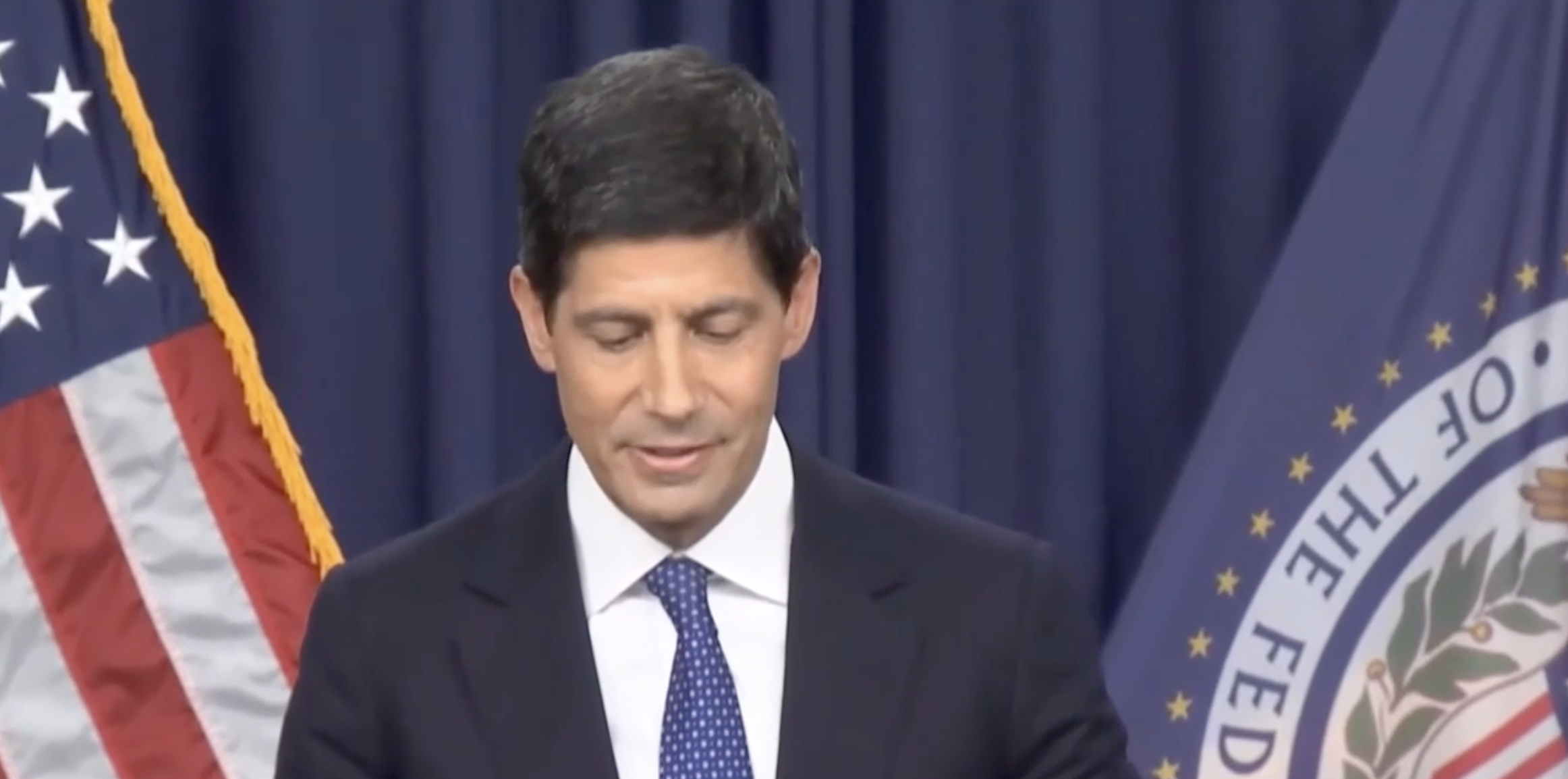
The Federal Reserve raised rates by 25 basis points, its first increase in three years, as Kevin Warsh pointed to oil and geopolitics.
Officials also penciled in at least one additional increase this year, leaving investors with little evidence that Wednesday's move was a one-off. Warsh described the quarter-point rise as having "removed a dose of accommodation," language that suggested policy was still adding some support to the economy.
Warsh frames the first hike
The phrase carried weight in central-bank terms. Accommodation refers to stimulus, so Warsh's wording indicated that officials did not view rates as restrictive even after the first increase since the previous tightening cycle paused three years ago.
Warsh presented that judgment as broadly shared by the Fed's rate-setting committee. The message was not that policy had become tight; it was that officials had begun taking back support as new risks altered the balance of inflation and growth.
Oil shock enters the decision
Warsh cited geopolitics among three developments since July that shaped the decision, a reference to the Iran war and the related energy shock described in the source material. "There's no hiding from hot spots around the world," he said.
He said officials had changed their assessment of how those conflicts were likely to develop. That framing matters for monetary policy: if energy costs are no longer treated as a temporary disturbance, they can feed into inflation expectations, wage demands and business pricing decisions.
The timing also changes the burden of proof for the next meeting. A central bank that still sees policy as accommodative has less reason to pause if incoming data show firm demand or if energy prices keep pressure on headline inflation.
Treasury market reprices Warsh
The 2-year Treasury note, which is closely tied to expectations for Fed policy, rose to its highest level in more than two years after the meeting. Bond yields rise when prices fall, so the move pointed to investors demanding more compensation for shorter-dated US rate risk.
Michael Gapen, chief US economist at Morgan Stanley, said Warsh's remarks changed his policy call. "If you don't even think you're restrictive and oil isn't going anywhere, you've got some work to do," Gapen said, after revising his forecast to three total rate increases including Wednesday's move, up from two.
James Egelhof, chief US economist at BNP Paribas, read the Fed's own projections in similar terms. The two increases penciled in for the year, including Wednesday's rise, are "likely a down payment on what might need to be a much more prolonged policy tightening cycle," he said.
Paths turn on energy costs
If the energy shock persists, the global macro channel would run through higher import bills, tighter dollar funding conditions and slower disinflation. For the Fed, that would strengthen the case for another increase; for banks and bond investors, it would keep pressure on short-term rates and rate-sensitive assets.
If energy prices ease and conflict risks stop feeding into inflation expectations, the mechanism works in the other direction. The Fed could still deliver the additional increase it has penciled in, but the case for a longer cycle would depend more heavily on domestic demand, labor costs and whether inflation data cool.
The main open question is whether officials continue to describe policy as accommodative after the next round of data. That wording will shape how investors judge the gap between one more hike and a longer tightening cycle.