Fed guidance clouds rate outlook for markets
Ambiguous central bank signals left traders weighing the path for borrowing costs and its spillover into oil and risk assets.
Mateo Fernandez ·
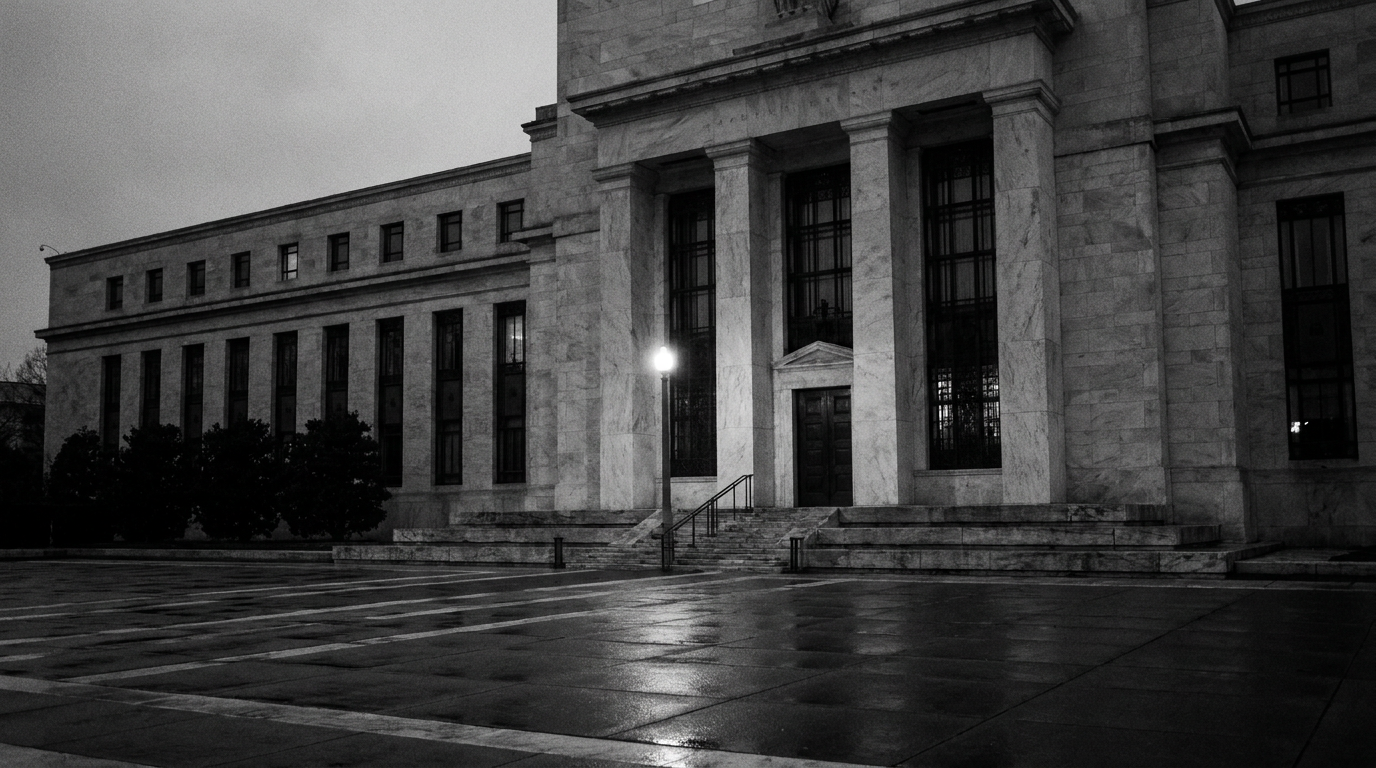
Federal Reserve guidance left the rate outlook unclear on July 10, 2026, keeping traders focused on how long restrictive policy may remain in place. Reaction pending. The issue matters for rates first, but it also reaches Brent oil futures through financing costs, the dollar and expectations for demand.
Officials have kept investors balancing two forces: inflation that has not fully disappeared as a policy concern, and growth risks that could argue for easier conditions if activity weakens. When central bank language avoids a firm path, rate markets tend to price a wider range of outcomes rather than one clean policy track.
Fed language keeps yields in focus
For global markets, the mechanism is direct. If investors read the guidance as leaning higher for longer, government bond yields can stay supported, credit conditions may remain tighter and dollar-sensitive commodities can face pressure. If incoming data instead pushes officials toward cuts, duration assets could benefit and growth-sensitive markets may get relief.
For Brent oil, the rate channel works through both demand and currency effects. Higher real yields can cool industrial activity and lift the cost of carrying inventories. Easier rate expectations can do the opposite, though oil would still depend on supply conditions and physical demand.
The open risk is that official guidance remains too conditional to anchor expectations. Traders will watch the next 24 hours after July 10, 2026 for whether rate futures, Treasury yields and Brent prices move together or split into separate signals.