US Tariff Policy Shifts UK Trade Standing
New US forced labor tariffs have put the UK at a competitive disadvantage against the EU in transatlantic trade. Learn how this impacts the market.
Atlas Newsdesk ·
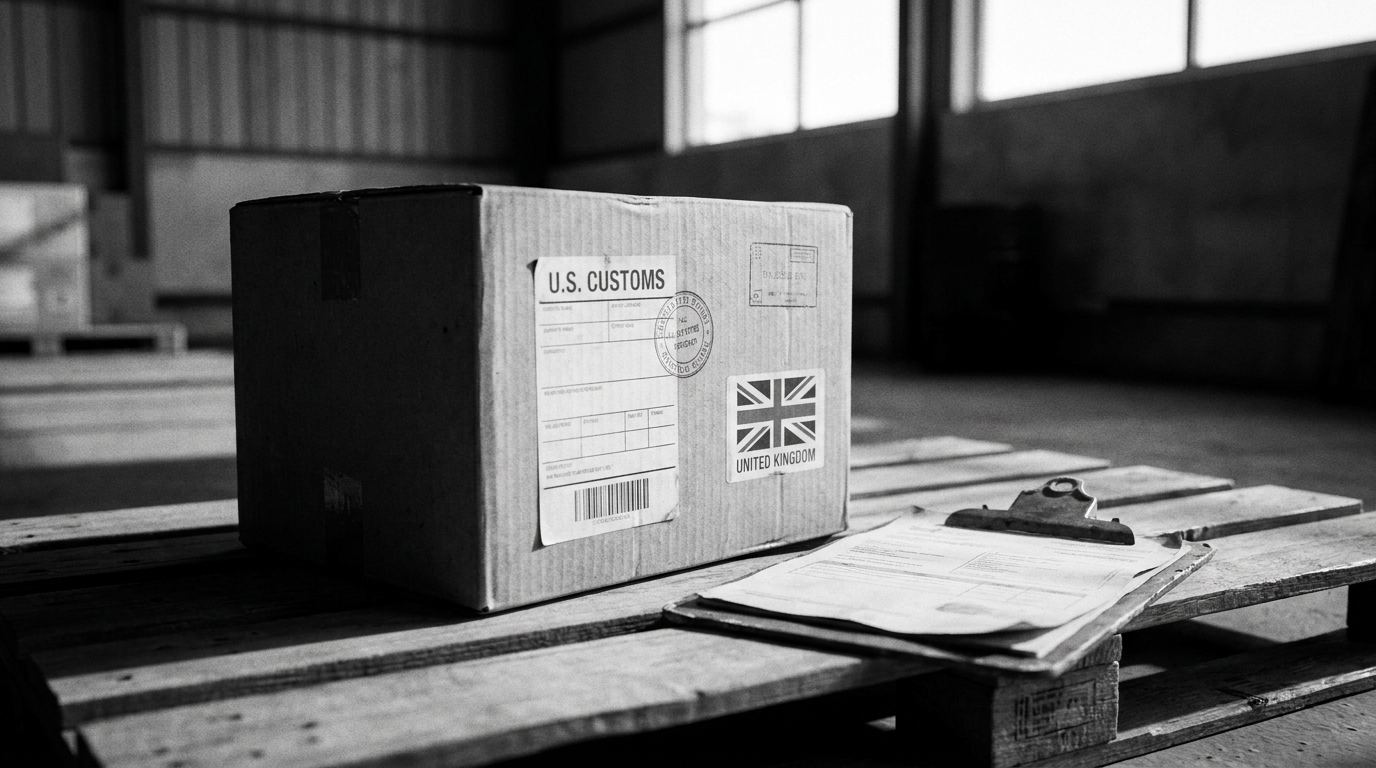
US Tariff Policy Shifts UK Trade Standing
The United States government has implemented a new wave of tariffs targeting international trade partners, citing forced labor concerns to justify levies on imported goods. This policy shift, occurring throughout the current presidential term, creates a complex regulatory environment that disproportionately impacts the United Kingdom compared to the European Union.
The mechanism driving this disparity is the EU's adoption of specific legislation banning goods produced via forced labor, which aligns with US requirements and secures more favorable trade terms. While the UK has negotiated sector-specific side deals for steel, pharmaceuticals, and automotive products, its lack of a formal legislative ban on forced labor goods leaves it at a competitive disadvantage.
Projections indicate the EU's trade-weighted effective tariff rate could settle at 8.5 percent, while the UK faces a rate of 6.8 percent applied across a broader, more restrictive range of goods including footwear and textiles.
The UK government now faces a strategic choice between maintaining its current voluntary due diligence regime or enacting formal legislation to US and EU standards. Failure to align with these international regulatory frameworks risks further erosion of the UK's trade competitiveness as global partners increasingly prioritize trade with one another to mitigate the impact of US protectionist measures.