Hormuz Ceasefire Slashes Oil, Gas Prices 15%
Hormuz ceasefire drove a 15% drop in oil and gas prices overnight as stocks rose, but supply damage and trade risks remain.
Atlas Newsdesk ·
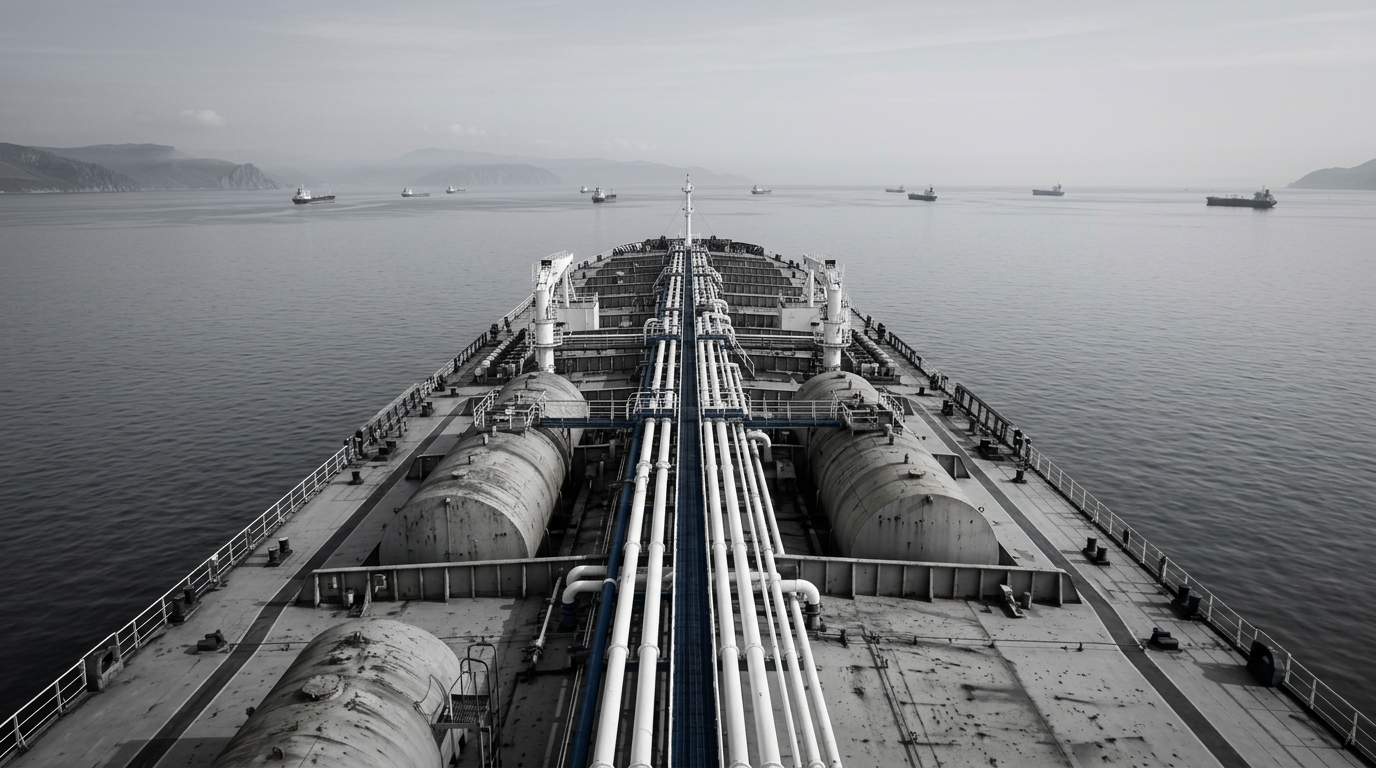
A ceasefire in the Strait of Hormuz, announced overnight, triggered an immediate shift in global markets, with oil and gas prices falling by 15% and stock markets rallying. The move signaled a near-term easing of pressure on energy costs after weeks of disruption in one of the world’s most important maritime corridors.
The ceasefire follows roughly six weeks in which an estimated 800 ships were stalled in the Gulf, many of them carrying oil and gas. That backlog fed through to consumers and businesses via higher global petrol and diesel prices, increased airfares, and rising mortgage rates. The halt in hostilities now offers a route toward de-escalation, but uncertainty remains over how quickly trade and energy flows can normalize.
Beyond crude and natural gas, the conflict disrupted shipments of key petrochemical and industrial products. The affected flows included jet fuel, diesel, fertilizer ingredients, and helium, which is used in microchip manufacturing. These interruptions highlighted how a chokepoint shock can spread across supply chains that extend well beyond the energy sector.
Even with the ceasefire in place, the source material indicates that physical damage to gas infrastructure—primarily in Qatar—is expected to weigh on global gas production for several years. Restarting production is described as taking weeks, while returning to pre-war capacity is expected to require years. Meeting demand, particularly in Europe, is expected to depend on a sustained flow of liquefied natural gas (LNG) tankers.
Financial conditions also reacted quickly. The easing in energy prices and the prospect of a sustained ceasefire could reduce inflationary pressure and help limit further increases in interest rates, which in turn could support stabilization or declines in mortgage rates globally. European government bond yields, including UK gilts, have already fallen by an amount described as equivalent to a quarter-percent rate cut.
However, the longer-term outlook remains unclear. The source material points to a new geopolitical and economic reality in which Iran’s control of the Strait of Hormuz—and its demonstrated ability to levy tolls and coordinate passage—could continue to shape global trade and energy markets. The ceasefire has delivered immediate relief, but the durability of that relief will depend on how shipping access, infrastructure repairs, and energy logistics evolve from here.