Extended-range EVs gain ground as automakers add engines
Extended-range EVs are emerging as automakers use gasoline generators to address US range concerns and protect electric-vehicle demand after subsidy cuts.
Jason Kwon ·
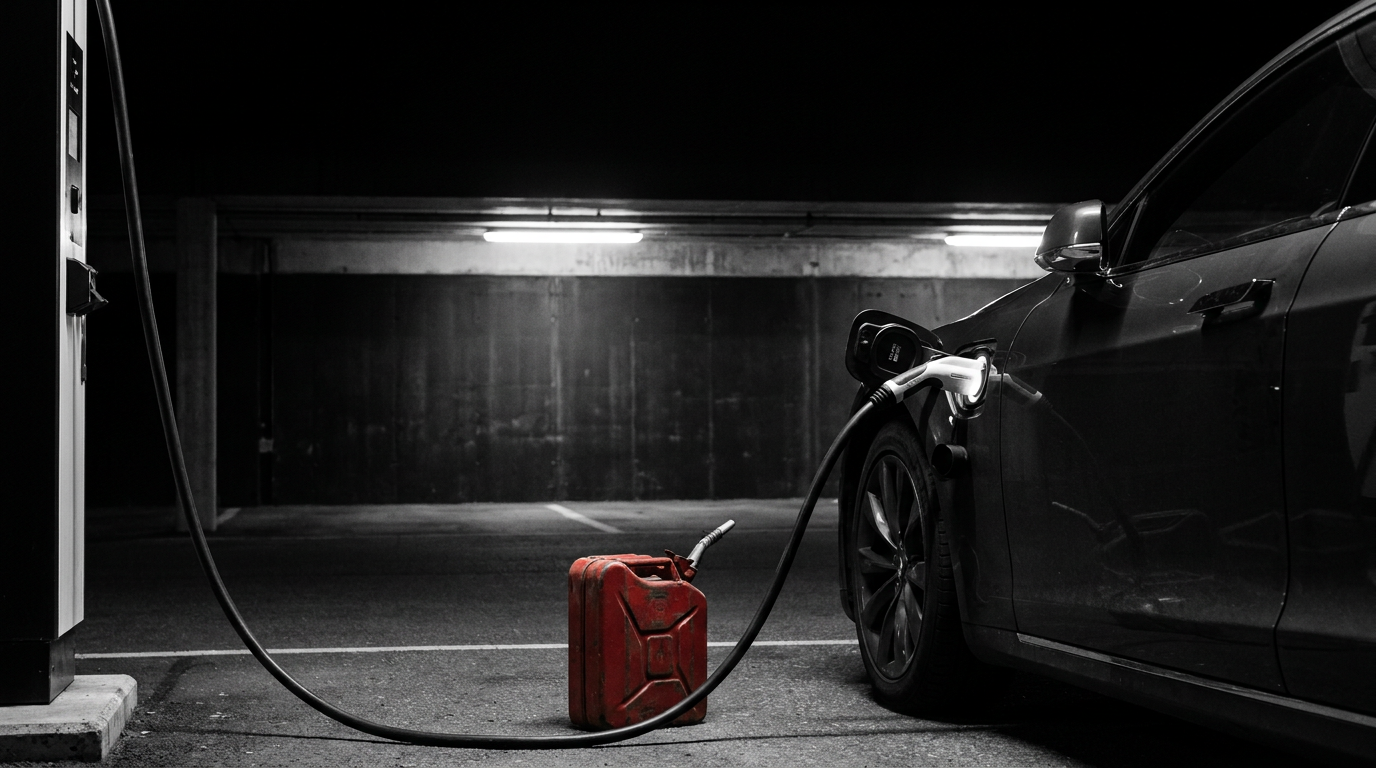
Extended-range EVs are drawing fresh investment as automakers add gasoline generators to address US drivers' range concerns.
The technology is aimed at a market where many buyers still want large vehicles, long driving distances and the ability to tow. Ford, Hyundai and Stellantis are among the manufacturers testing whether a gasoline-backed electric setup can make battery-powered models easier to sell in the US.
Gas engines meet EV drivetrains
Extended-range electric vehicles, often shortened to EREVs, reverse the familiar hybrid formula. In these models, the gasoline engine powers a generator rather than turning the wheels, while electric motors continue to drive the vehicle.
That distinction matters for automakers trying to preserve the feel and packaging of an EV while easing concerns about charging access and battery range. Manufacturers are presenting the format as capable of offering up to twice the range of a typical EV, with the extra distance anchored to onboard fuel rather than a larger battery alone.
The pitch is especially relevant for trucks and larger sport-utility vehicles. Heavy loads can drain batteries quickly, and adding enough battery capacity to offset that loss can raise vehicle cost and weight.
Truck buyers drive the wager
US demand has been harder to secure since the White House ended electric-vehicle subsidies, with EV sales down following the policy change. The subsidy removal left automakers with less pricing support at the same time they were trying to persuade drivers to shift from gasoline vehicles.
Range anxiety is only one part of the adoption problem. The more immediate commercial risk is comprehension: if buyers see EREVs as complicated hybrids rather than electric vehicles with backup generation, the format may struggle to widen demand.
Ford, Hyundai and Stellantis are not facing the same challenge from the same starting point. Ford has a large US truck franchise to defend, Hyundai has been expanding its electric lineup, and Stellantis has brands whose customers include pickup and utility-vehicle buyers with towing needs.
For those companies, EREVs offer a way to narrow the gap between regulatory and consumer pressure. They can keep an electric drivetrain at the center of the vehicle while reducing the everyday inconvenience that many drivers associate with charging stops and depleted batteries.
Subsidies leave a demand gap
The wider industry question is whether EREVs become a bridge technology or a detour. If the format gains acceptance, automakers may use it to slow the move toward battery-only models in larger vehicles while keeping production plans tied to electrification.
If buyers reject the technology as too hard to understand, the sector could face a more familiar split. Smaller EVs may remain easier to sell to urban or commuter buyers, while trucks and larger vehicles continue to rely more heavily on gasoline engines.
The macro effects would differ under each path. If EREVs expand demand, battery supply chains could still benefit, though gasoline demand would decline more slowly than under a faster shift to battery-only vehicles.
If adoption stalls, automakers may have to choose between discounting EVs, delaying some electric launches or leaning further on combustion models. That would leave the industry more exposed to policy changes, fuel prices and consumer sentiment.
Range claims face market test
The first scenario for Ford, Hyundai and Stellantis is a successful education campaign. If drivers understand that the gasoline engine supports the battery rather than powering the wheels, EREVs could reduce range concerns and help the companies protect margins on larger electric models.
The second scenario is weaker uptake after the subsidy shift. If consumers remain skeptical, the companies may carry higher development costs without converting enough truck and SUV buyers, while rivals continue to compete on battery-only range, charging speed or gasoline affordability.
The main open question is whether the promised range advantage is enough to change buying behavior. The answer will shape not only the next wave of electric trucks, but also how quickly the US auto market moves from gasoline engines to electric drivetrains with fewer compromises.