Explosions hit south Lebanon after Israeli strikes
Officials said attacks targeted Hiyam and Mansuri, keeping the Israel-Lebanon border in focus for regional risk.
Mateo Fernandez ·
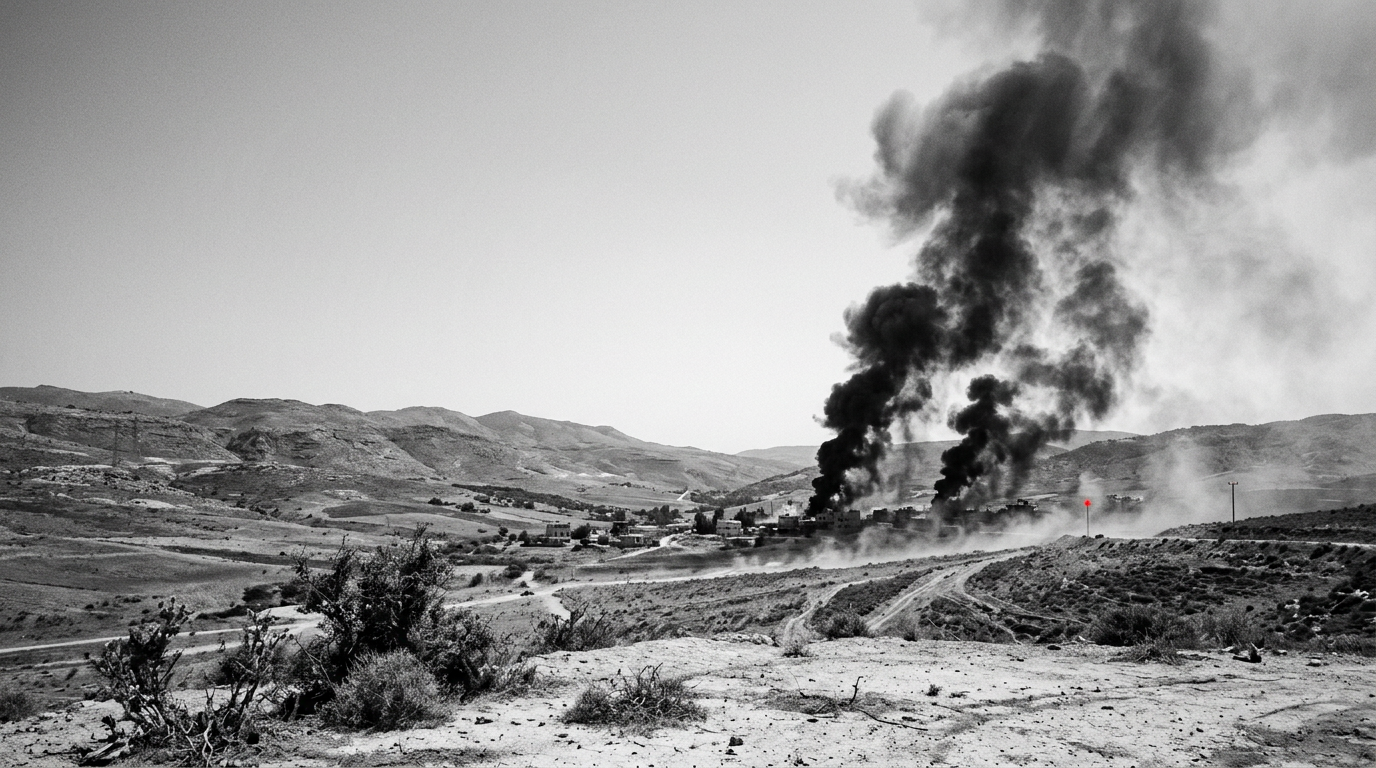
Officials said Israeli military attacks on southern Lebanon triggered severe explosions in Hiyam and Mansuri early Saturday, extending a cross-border flashpoint that traders monitor for regional spillover. Reaction pending.
The reported blasts put attention back on the Israel-Lebanon frontier, where any widening exchange can feed geopolitical risk across the eastern Mediterranean. No casualties, damage figures or official military details were provided in the initial report.
Hiyam and Mansuri blasts
The two named towns sit in southern Lebanon, the area most exposed to exchanges between Israeli forces and armed groups across the border. Officials said the attacks were directed at Hiyam and Mansuri, but did not provide a number of strikes or the weapons used.
For markets, the immediate channel is risk pricing rather than confirmed supply disruption.
If the exchange remains geographically limited, the macro effect is likely to stay concentrated in haven demand, regional risk premia and energy headlines rather than broad global pricing.
If further attacks expand beyond the border zone, the mechanism changes: shipping, energy insurance costs and regional diplomatic pressure would become the points to monitor. That would matter first for Middle East assets and energy-sensitive economies, then for global inflation expectations if oil traders price in a higher disruption risk.
The explicit forward window is the next 24 hours through September 20, 2026: if Israeli or Lebanese authorities report additional strikes, markets will look for signs that the episode is contained or spreading.