Qatar LNG Production Halted, Force Majeure Declared
QatarEnergy declared force majeure on LNG shipments due to a production halt, impacting firms like Shell and TotalEnergies from April.
Atlas Newsdesk ·
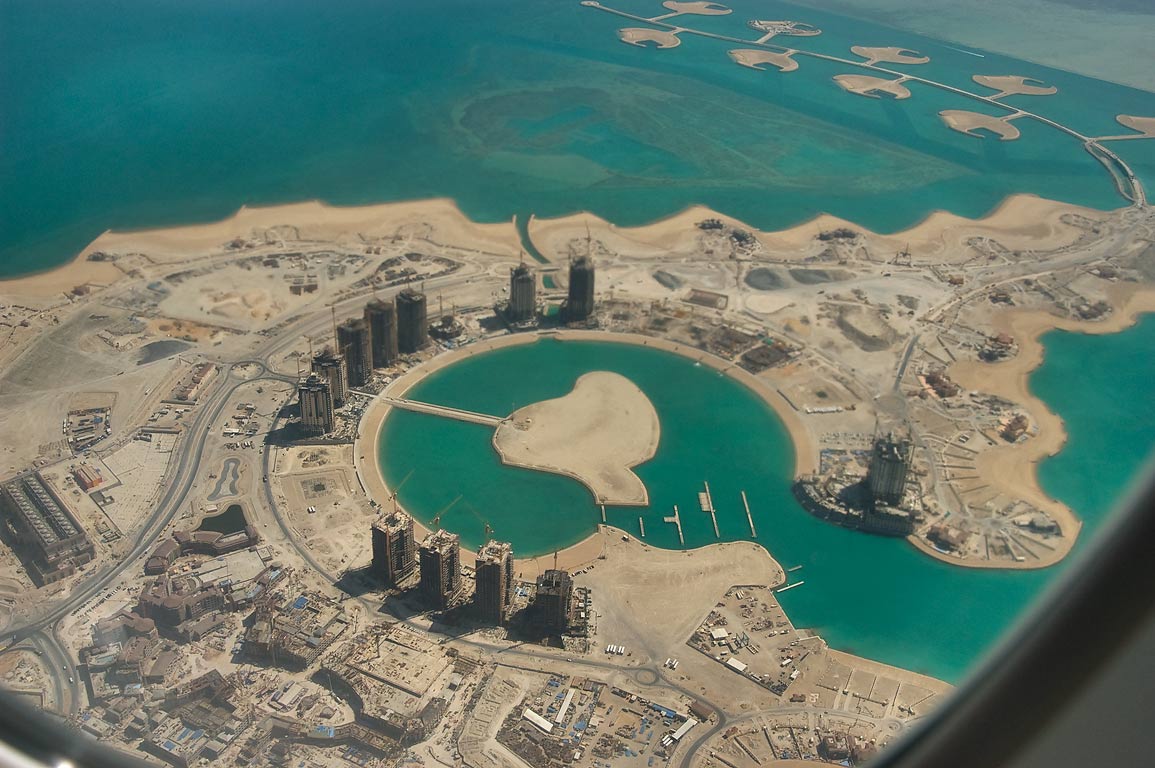
QatarEnergy, a major global energy supplier, has declared force majeure on its liquefied natural gas (LNG) shipments following an unexpected halt in production. This action, announced last week, has prompted several international energy firms, including Shell and TotalEnergies, to issue their own force majeure notices to clients on Wednesday, March 11. The disruption is anticipated to affect LNG deliveries starting in April.
Qatar, recognized as the world's second-largest LNG exporter, ceased operations at its facility, which has an annual capacity of 77 million tons. The declaration of force majeure by QatarEnergy signifies an unforeseen event preventing the fulfillment of contractual obligations, impacting companies that procure LNG as portfolio players or direct offtakers.
Major Energy Firms Affected
Among the companies significantly impacted are Shell, the world's largest LNG trader, and TotalEnergies. Shell reportedly contracts for 6.8 million tons per annum (mtpa) of Qatari LNG, while TotalEnergies secures 5.2 mtpa. Both companies are also strategic partners in QatarEnergy's ambitious North Field expansion project, which aims to substantially increase LNG production capacity by 2027.
Timeline and Market Implications
Qatari Energy Minister Saad al-Kaabi indicated that a return to normal delivery schedules could span "weeks to months." The force majeure notices specifically clarified that LNG deliveries scheduled for March would proceed as planned, with the full impact of the production halt becoming evident from April onwards. This timeline suggests a potential tightening in global LNG supply during the second quarter of the year.
Global Energy Market Context
This development occurs within a broader context of volatile global energy markets, where LNG plays a crucial role in meeting demand, particularly in Europe and Asia. Any significant disruption from a major exporter like Qatar can lead to price fluctuations and increased competition for available supplies. The long-term implications for energy security and contractual agreements will be closely monitored by market participants and governments alike.
Outlook for LNG Supply
The duration of the production halt remains a key factor for the global LNG market. While the immediate impact is on specific contractual obligations, a prolonged disruption could necessitate buyers seeking alternative sources, potentially driving up spot prices. The North Field expansion project, a long-term initiative, underscores Qatar's strategic importance in the global LNG landscape, making any operational interruption noteworthy for future supply stability.
Implications
Country Impact: Qatar's declaration of force majeure could strain its relationships with key energy partners and potentially impact its revenue streams if the production halt is prolonged. It also highlights the country's critical role in global energy supply chains.
Industry Impact: The global LNG industry faces potential supply tightening and price volatility, particularly for buyers reliant on Qatari supplies. Energy companies like Shell and TotalEnergies will need to manage contractual obligations and potentially seek alternative sources for their clients.
Market Impact: Global energy markets, especially those for natural gas, are likely to experience upward price pressure. Futures contracts for LNG could reflect increased uncertainty, and importing nations may face higher energy costs in the coming months.