Pakistan Shifts Power Generation to Domestic Sources
Pakistan is significantly reducing LNG reliance, with 74% of electricity from domestic sources, targeting 96% by 2034 for energy security.
Atlas Newsdesk ·
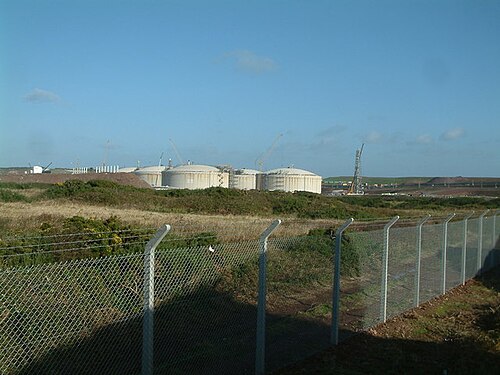
Pakistan has substantially decreased its reliance on imported liquefied natural gas (LNG) for electricity generation, pivoting towards a greater utilization of indigenous energy resources. Federal Minister of Energy Awais Ahmad Khan Leghari confirmed this strategic shift on March 13, 2026, highlighting the nation's enhanced energy security.
Currently, domestic sources contribute approximately 74% of Pakistan's total electricity output. This includes a diverse mix of solar, wind, nuclear, coal, and hydropower. The government has set an ambitious target to elevate this figure to over 96% by 2034, further reducing external energy dependencies.
Reducing External Energy Vulnerability
The move away from LNG imports is a direct response to global supply chain vulnerabilities, particularly those stemming from geopolitical instability. Conflicts in regions like the Middle East, which can disrupt shipments from key suppliers such as Qatar, have underscored the need for greater energy self-sufficiency. LNG presently accounts for about 10% of Pakistan's electricity generation, primarily serving to meet peak demand and stabilize the national grid.
Pakistan's long-term energy strategy emphasizes a significant increase in clean energy sources. The country aims to boost the share of clean energy from 55% to more than 90% by 2034, directing future power sector investments towards indigenous and environmentally friendly options. This commitment aligns with global efforts to combat climate change and foster sustainable development.
Impact on Energy Imports and Domestic Consumption
The reduced demand for imported gas has already led to concrete actions. Pakistan has canceled 21 LNG cargo deliveries scheduled for 2026-27 under existing long-term agreements. This decision reflects the decreased need for gas in the power sector, largely attributed to the expansion of domestic power generation and solar energy capacity.
Officials anticipate that even in scenarios involving prolonged disruptions to LNG imports, the impact on Pakistan's vital industrial and agricultural sectors would be minimal. However, a severe scenario, such as a multi-month cessation of LNG cargo arrivals, could result in temporary power outages, specifically one to two hours of load shedding during peak summer evenings in certain urban and rural areas.
Strategic Energy Transition Goals
This energy transition is a critical component of Pakistan's broader economic and national security agenda. By diversifying its energy mix and prioritizing local resources, the nation seeks to insulate its economy from volatile international energy markets and ensure a more stable and predictable power supply for its growing population and industrial base.
The focus on renewable and indigenous sources also positions Pakistan to meet future energy demands sustainably, reducing its carbon footprint and enhancing environmental resilience.
Implications
Country Impact: Pakistan's enhanced energy security reduces vulnerability to global supply shocks and geopolitical instability. This shift supports long-term economic stability by mitigating energy cost volatility and fostering domestic industrial growth.
Industry Impact: The power generation sector will see increased investment in domestic and renewable energy projects, creating opportunities for local infrastructure development. The LNG import sector will experience reduced demand, impacting suppliers and related logistics.
Market Impact: Reduced LNG imports could lead to lower foreign exchange outflows, positively impacting Pakistan's balance of payments. The shift towards domestic energy sources may attract green energy investments, influencing capital markets and project financing.