ECB Ready to Act on Iran War Inflation Risks
The ECB is prepared to act decisively if the Iran conflict causes sustained Eurozone inflation, Bundesbank President Nagel stated on March 11, 2026.
Atlas Newsdesk ·
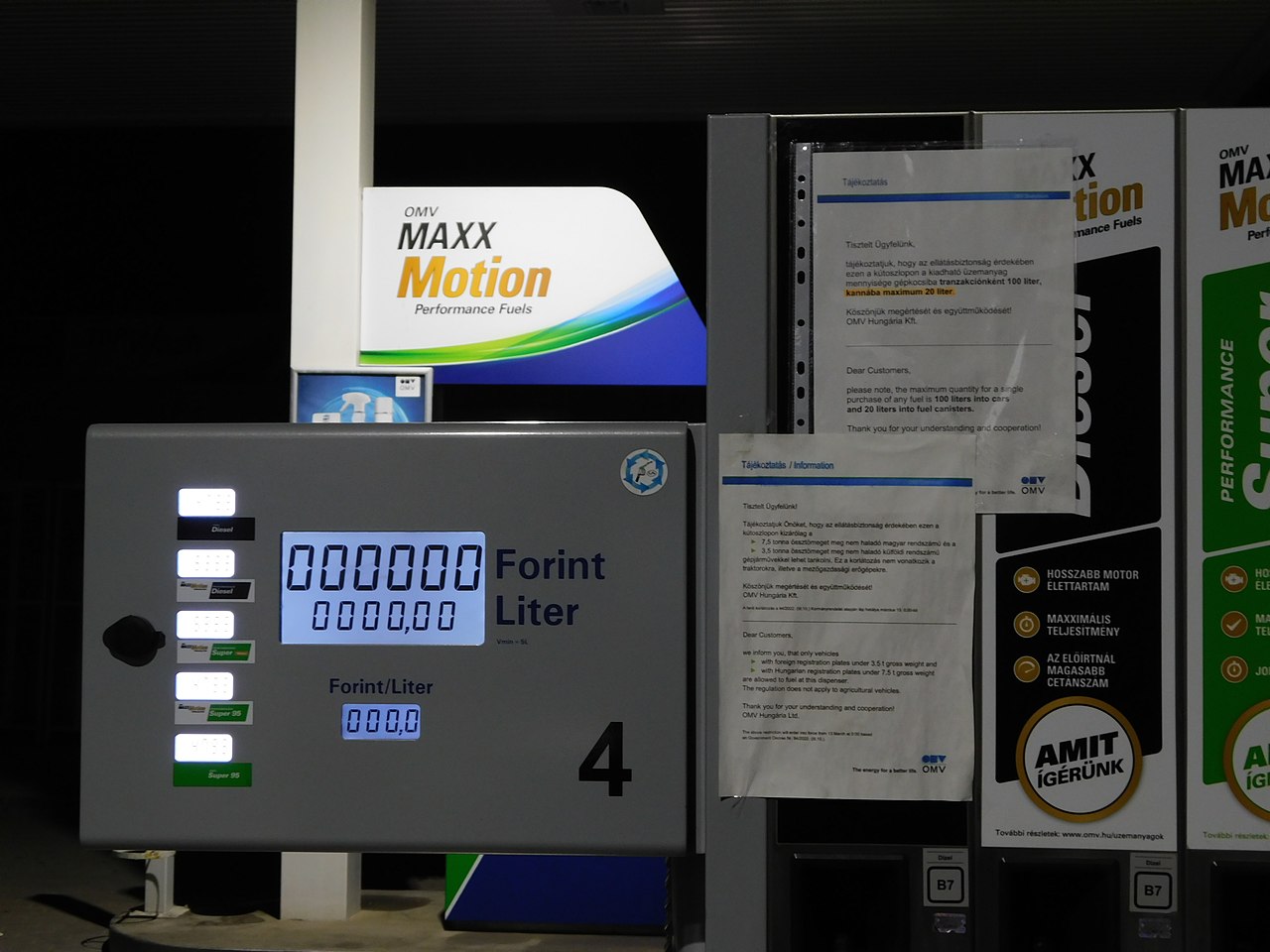
The European Central Bank (ECB) stands prepared to implement decisive policy measures should the ongoing conflict involving Iran result in persistent inflationary pressures across the Eurozone. Bundesbank President Joachim Nagel articulated this position on March 11, 2026, emphasizing that a significant rise in fuel expenses, leading to widespread consumer price increases, would necessitate a robust response from the central bank.
Nagel acknowledged that while a 'wait-and-see' approach is currently appropriate, the potential for elevated inflation has increased. This development could shift discussions away from concerns about inflation falling below the ECB's 2% target. The central bank is expected to maintain its current interest rates at its forthcoming policy meeting, where it will also present economic growth and inflation projections under various scenarios related to the conflict's duration.
Rising Inflationary Pressures
Historical Context and Outlook
Policy Response and Market Expectations
Economic Implications for the Eurozone
Implications
Country Impact: Eurozone countries could face increased living costs and reduced consumer spending if inflation accelerates. Governments might experience higher borrowing costs, impacting fiscal stability.
Industry Impact: Energy-intensive industries within the Eurozone would likely see increased operational costs, potentially affecting profitability and investment. Sectors reliant on consumer discretionary spending could also face headwinds.
Market Impact: Financial markets, particularly bond and equity markets, would react to any ECB policy shifts. A potential rate hike could strengthen the Euro but might also lead to increased volatility and pressure on corporate earnings.