EVgo to deploy licensed Tesla V4 Supercharger hardware
EVgo will deploy licensed Tesla V4 Supercharger hardware in its domestic network, starting late 2026, with up to 500 kW units and NACS/CCS1.
Atlas Newsdesk ·
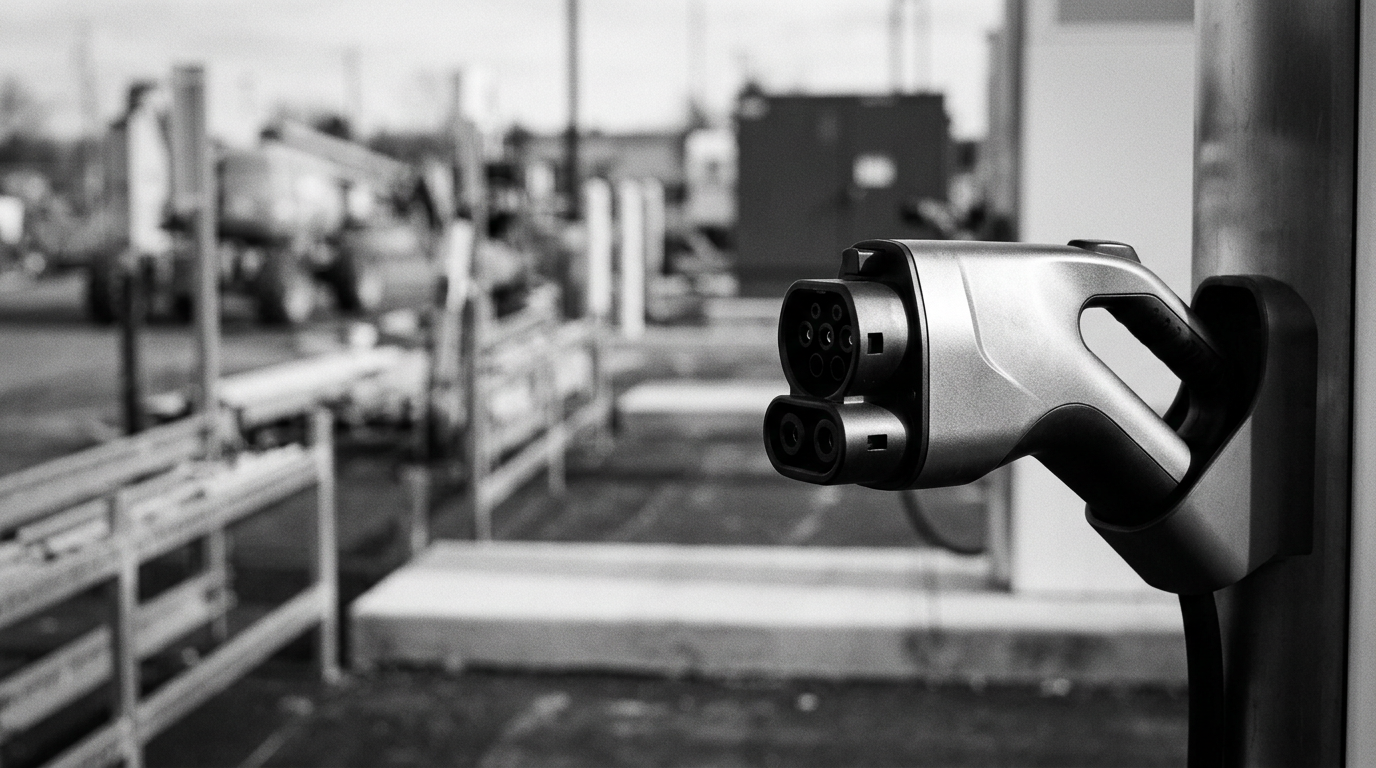
EVgo has begun moving toward deployment of licensed Tesla V4 Supercharger hardware across its domestic charging network, with the first installations planned for late 2026. The company said the rollout will use Tesla’s latest V4 hardware while keeping EVgo in charge of operating decisions at each location.
The planned units are designed to deliver up to 500 kW at 1000 V. EVgo said the chargers will include both NACS and CCS1 connectors, positioning the sites to serve a wider range of electric vehicles rather than a single brand’s plug standard.
Tesla V4 hardware integrates with in-car navigation
Under the arrangement, the licensed EVgo sites are expected to surface inside Tesla’s native in-car navigation and route planning tools. That visibility effectively extends the practical reach of Tesla’s charging experience beyond locations owned and run directly by Tesla.
EVgo said it will still own the sites and maintain operational control of key elements, including site management, utility interconnection, and pricing. In other words, the chargers use Tesla hardware under license, but day-to-day commercial terms remain with EVgo.
Dual-connector approach targets broader interoperability
EVgo framed the deployment as part of a broader shift toward standardization in EV charging infrastructure. By providing both NACS and CCS1 connectivity on V4 hardware, the company said the deployment is intended to make charging access more interoperable for non-Tesla vehicles.
The move is also presented as a way to address limitations seen in earlier hardware generations. EVgo pointed to cable length constraints associated with prior V3 iterations as a problem this transition aims to mitigate as V4 equipment is introduced into its network.
Licensing adds a revenue line for Tesla
For Tesla, the licensing model creates a new revenue stream tied to licensing fees while also expanding the footprint of its charging ecosystem through third-party deployments. The source material links that opportunity to recent margin pressure, citing aggressive vehicle price reductions and rising operational costs as contributing factors.
The same source describes the licensing approach as part of a wider strategic pivot toward monetizing proprietary technology and infrastructure assets. It also notes that Tesla has been increasing capital expenditure on robotics and artificial intelligence initiatives, placing added importance on additional income channels that do not rely solely on vehicle sales.
Key details that remain unknown include how many V4 units EVgo intends to install by late 2026, where the first locations will be, and how EVgo’s pricing and uptime targets will compare site by site once the licensed hardware is in the field.