Kabul Airstrike Kills Over 400 at Rehab Center
A Pakistani airstrike in Kabul killed 408 and injured 265 at a rehab center, escalating tensions with Afghanistan.
Lauren Collins ·
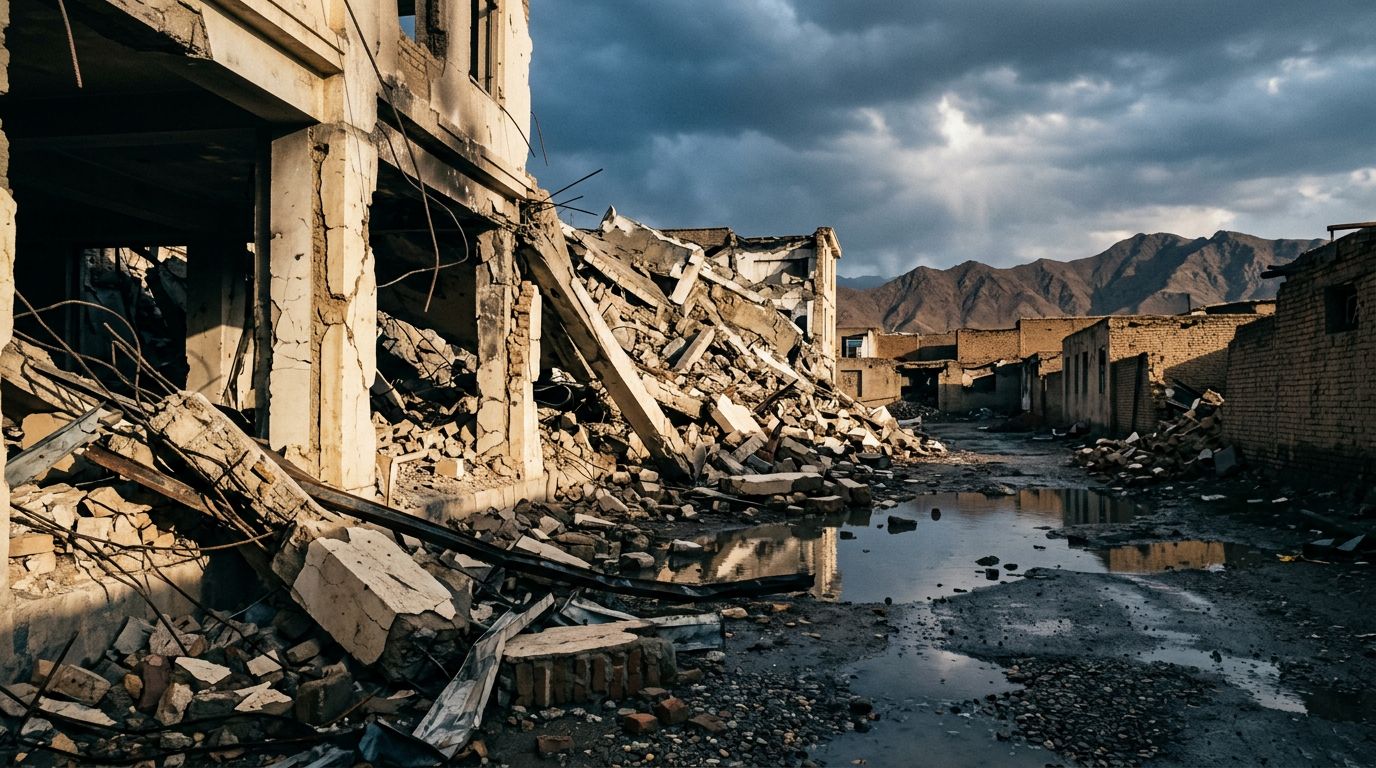
A Pakistani airstrike in Kabul, Afghanistan, on Monday evening resulted in significant casualties, with 408 individuals confirmed dead and 265 injured. The attack struck a state-run drug rehabilitation facility, identified as the Omid hospital or Ibn Sina drug addiction Treatment hospital. Rescue operations continued into Tuesday as teams searched through the debris.
Abdul Mateen Qanie, spokesperson for the Afghan Interior Ministry, verified the casualty figures. Eyewitnesses and survivors described extensive fires and structural collapses at the site. Patients recounted being trapped within burning sections of the facility and under fallen structures, according to reports from aid organizations like the Norwegian Refugee Council.
Pakistan's Information Minister, Attaullah Tarar, stated that the airstrikes specifically targeted "technical support infrastructure and ammunition storage facilities" utilized by the Afghan Taliban regime. Tarar denied any intentional targeting of the hospital itself, asserting the strikes were aimed at militant assets.
This incident represents the most lethal single attack in the recent three-week conflict between Pakistan and Afghanistan. The hostilities intensified in February following earlier Pakistani airstrikes against suspected militant positions within Afghanistan. Islamabad has characterized the ongoing conflict as an "open war," though it has received limited international attention.
International reactions have varied. India issued a condemnation of the strike, while China called for de-escalation and restraint from both nations. The broader conflict stems from long-standing border disputes and accusations by Pakistan that Afghanistan harbors militant groups responsible for cross-border attacks.
Historically, relations between the two countries have been strained by issues of border security and the presence of militant factions. Pakistan has frequently accused the Afghan Taliban government of failing to curb groups like Tehrik-i-Taliban Pakistan (TTP), which Islamabad considers a significant security threat. The Afghan Taliban, in turn, denies these allegations and views Pakistan's military actions as violations of its sovereignty.
The recent escalation underscores the volatile security situation in the region. The targeting of a civilian facility, regardless of intent, is likely to exacerbate humanitarian concerns and further complicate diplomatic efforts to stabilize the border areas. The international community remains watchful for further developments and potential mediation efforts to prevent a wider conflict.
Escalating Regional Tensions
The current conflict between Pakistan and Afghanistan has its roots in complex geopolitical dynamics and historical grievances. Pakistan has consistently pressed the Afghan Taliban to take decisive action against militant groups operating from Afghan soil, particularly after a surge in attacks within Pakistan attributed to these groups.
Conversely, the Afghan Taliban views Pakistan's unilateral military actions as an infringement on its national sovereignty. This cycle of accusation and retaliation has led to a series of border skirmishes and, more recently, direct airstrikes, marking a significant deterioration in bilateral relations.
Humanitarian Concerns and International Response
The strike on the rehabilitation center highlights the severe humanitarian risks associated with the escalating conflict. Civilian infrastructure, including medical facilities, is particularly vulnerable in such situations. International bodies and aid organizations have expressed deep concern over the safety of non-combatants.
The varied international responses, from condemnation to calls for restraint, reflect the delicate diplomatic balance in the region. The incident is likely to increase pressure on both Pakistan and Afghanistan to engage in dialogue and find a peaceful resolution to their disputes, especially given the high civilian toll.
Implications
Country Impact: The incident significantly strains diplomatic relations between Pakistan and Afghanistan, potentially leading to further military escalation and increased instability along their shared border. It also raises questions about the Afghan Taliban's capacity to control militant groups.
Industry Impact: The targeting of civilian infrastructure, even if unintended, could impact humanitarian aid operations and the delivery of essential services in conflict zones. Reconstruction efforts for damaged facilities will require significant resources.
Market Impact: Increased regional instability could deter foreign investment in both Pakistan and Afghanistan. Energy and trade routes through the region might face disruptions, potentially affecting commodity prices and supply chains in the broader South Asian market.