Scorching European Heat Wave Cripples Power Grids and Transport Networks
European heat wave triggers top-level alerts in Italy and forces power cutbacks in Slovakia and Hungary, disrupting industry and logistics.
Atlas Newsdesk ·
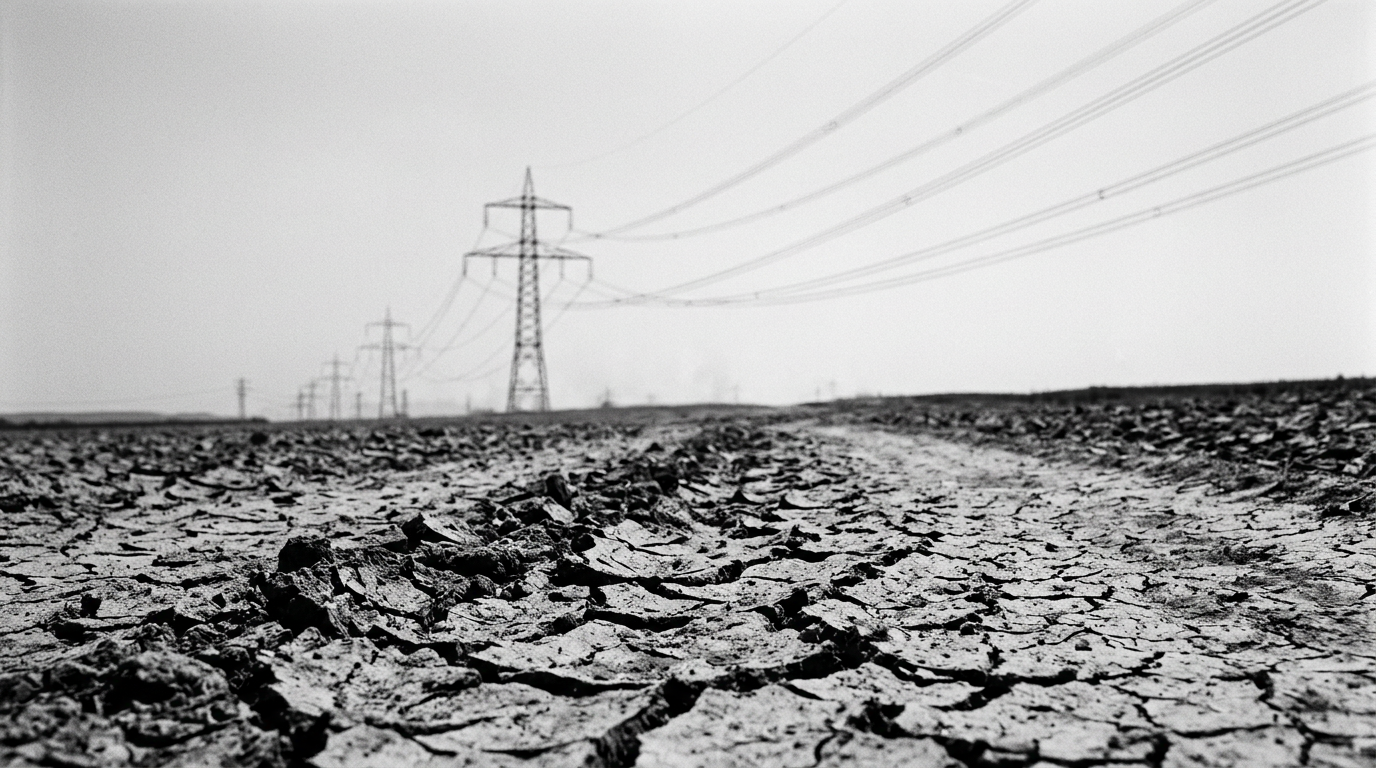
A severe heat wave across Europe has prompted emergency warnings and operational changes as governments and operators respond to risks to health, energy supply, and essential services. Officials issued alerts and introduced measures designed to reduce exposure and keep key systems running despite extreme temperatures and drought conditions.
In Italy, authorities placed all major cities under the country’s highest-level heat alert. Officials said the designation reflects broad health risks for the general population, not only for people in traditionally vulnerable groups.
Italy raises heat response measures
Mitigation steps in Italy have included changes to Mitigation steps in Italy have included changes to daily operations at public-facing sites. Officials adjusted operating hours for cultural landmarks as part of efforts to manage crowding and reduce heat exposure during the hottest periods of the day. Authorities also established public cooling zones, aiming to provide accessible relief points in urban areas. These measures are intended to support residents and visitors during peak temperatures while keeping public activity safer and more manageable. Power generation hit by drought and high temperatures Energy production across parts of Europe is facing constraints linked to extreme heat and associated drought conditions. Operators are reporting limitations that reduce output and place additional pressure on electricity systems.
In Italy
In Slovakia, the Gabčíkovo hydroelectric plant reduced production due to record-low water levels in the Danube. Officials linked the cutback to the water scarcity affecting generation capacity at the facility.
In Hungary, the country’s nuclear power plant curtailed production to approximately 10% of capacity. Authorities introduced emergency electricity conservation measures for industrial and residential users in response to the reduction.
Logistics and major manufacturers face secondary disruptions
Beyond electricity production, the heat and water scarcity have created knock-on effects for transportation and industrial activity. Freight operations have been restricted in affected regions, adding constraints for logistics and supply movements during the heat wave.
Some large manufacturers, including companies in the automotive and pharmaceutical sectors, initiated electricity consumption curbs. Officials described these steps as part of wider efforts to reduce demand while generation is constrained.
The immediate scale and duration of the heat wave, and how quickly water levels recover, remain uncertain. The disruptions, however, underline how climate-related extremes can stress power generation and logistics infrastructure at the same time, requiring coordinated public measures and operational adjustments.