
EU Eyes Options Amid Trump's 25% Car Tariff Threat
The EU is considering its response to a US threat of 25% tariffs on European cars, intensifying a dispute over a previous trade agreement.
EU Responds to Renewed Tariff Pressure
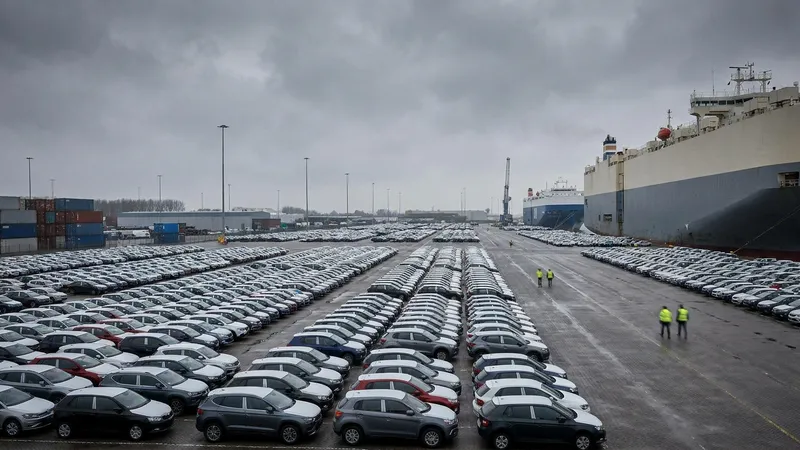
The European Commission is weighing its options following a new Trump tariff threat on autos, escalating trade tensions over a pact from last summer. Officials confirmed the bloc would “keep our options open” in formulating a response to the potential duties.
The situation intensified after former U.S. President Donald Trump announced he would impose a 25 percent tariff on European cars and auto parts. He cited the EU’s alleged failure to comply with the terms of a trade agreement reached last year.
A spokesperson for the European Commission countered the accusation, stating that the EU is moving forward with the deal’s implementation. They noted the process adheres to standard legislative practices and that the U.S. administration has been kept fully informed.
Deepening Transatlantic Rifts
This latest development aggravates existing disagreements that have simmered since the initial agreement was made. The chair of the European Parliament's trade committee labeled the threat as “unacceptable” and asserted that the U.S. was breaking its own commitments.
Underlying frictions persist over the deal's execution. Washington has previously voiced frustration with the pace of the EU's tariff reduction efforts, while Brussels continues to object to U.S. tariffs on its steel and aluminum exports.
These unresolved issues create a fragile backdrop for trade relations. The threat of auto tariffs reintroduces a significant element of conflict that both sides had sought to de-escalate with last summer's accord.
Internal Divisions and Industry Alarms
The American tariff threat has also highlighted internal divisions among European Union member states. A majority of countries have so far resisted a French-led initiative to renegotiate the deal or add further safeguards, complicating a unified EU response.
Manfred Weber, who chairs the European People’s Party, emphasized the need for a swift conclusion to the negotiations. He argued that European businesses cannot withstand prolonged uncertainty and urged a parliamentary vote on the deal in the coming month.
Meanwhile, the prospect of new duties is causing alarm within the automotive sector. Jennifer Safavian, CEO of the industry group Autos Drive America, warned that increased tariffs would endanger market access for foreign automakers. She stated such a move would threaten progress made in growing the U.S. auto industry.
The path forward remains uncertain as the EU navigates its internal politics and gauges the seriousness of the U.S. threat. The outcome will have significant consequences for one of the world's largest trading relationships and the global automotive market.
More stories
- Russian strikes hit Ukraine plants after Trump ceasefire statement
- Saudi flights divert after Dammam airport targeted
- US said to threaten Ukraine weapons, intelligence aid
- Riyadh airport hit again as Trump weighs US role
- Houthis hit Riyadh airport after 12 killed
- Yemen Cabinet backs Houthi terrorist label after 12 deaths
- Trump Considers Restarting Iran Strikes
- Morocco Crown Prince Gets Key Army Role in Succession Plan
- Royal Visit to US Amidst Strained Transatlantic Relations
- Putin backs Iran in talks with foreign minister in St. Petersburg