Israel-Lebanon Conflict Intensifies, Displacing Millions
The Israel-Lebanon conflict has intensified since March 2026, causing 773 Lebanese deaths and displacing one million people, escalating regional tensions.
Lauren Collins ·
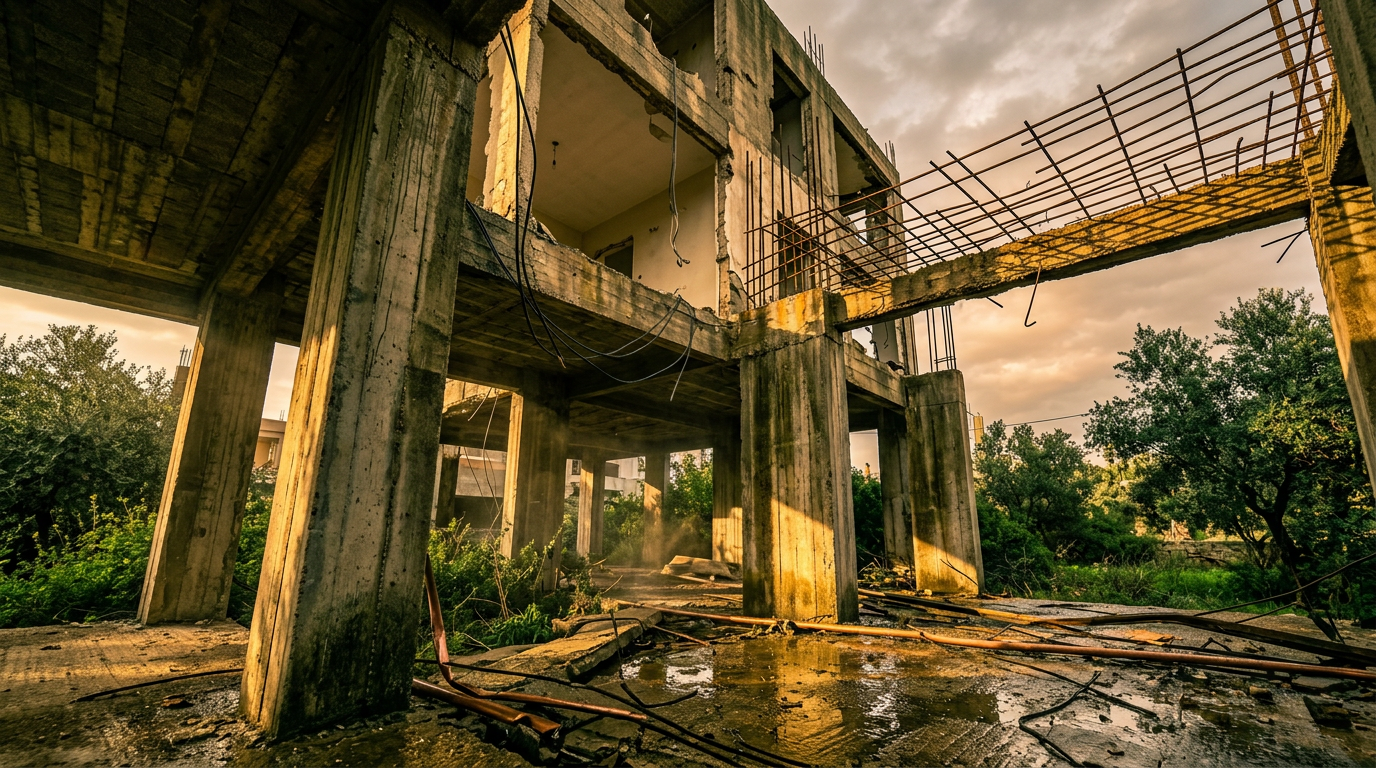
The conflict between Israel and Hezbollah in Lebanon has seen a significant escalation since early March 2026, resulting in a substantial increase in casualties and a large-scale displacement of civilians. Israeli military operations have led to the deaths of 773 Lebanese individuals, including over 100 children, marking a higher fatality count than previous regional confrontations.
This intensification follows Hezbollah's rocket attacks into Israeli territory on March 2, which initiated a broader Israeli military response across Lebanon.
Escalation and Civilian Impact
The current hostilities have surpassed the intensity observed in the 2023-2024 Israel-Hezbollah conflict. Specific incidents highlight the severity, such as 41 fatalities recorded in Nabi Chit over a five-hour period and 18 deaths in Sir el-Gharbiyeh during a single night. These events underscore the rapid and destructive nature of the ongoing military engagements.
Approximately one million people have been displaced from their homes in southern Lebanon. Israeli airstrikes have extended beyond the immediate border regions, reaching as far as Beirut. Towns such as Al-Nimiriya and Nabatieh have experienced significant depopulation as residents seek refuge from the continuous aerial bombardments.
Regional Tensions and Displacement Orders
On March 13, Israeli authorities issued a directive for residents to evacuate areas up to 25 miles from its northern border. This order was issued in anticipation of further military actions against Hezbollah targets, following a substantial volley of rockets launched by the group. The directive signals a potential expansion of the conflict zone and continued military pressure.
This latest phase of the conflict is rooted in long-standing geopolitical tensions in the Middle East, particularly between Israel and Iran-backed groups like Hezbollah. The 2006 Lebanon War, for instance, also involved significant cross-border hostilities and civilian displacement, though the current scale of casualties and displacement appears to be accelerating at an unprecedented rate.
The broader regional security landscape remains volatile, with various state and non-state actors contributing to a complex web of alliances and antagonisms.
International Response and Future Outlook
The international community has expressed growing concern over the humanitarian crisis and the potential for wider regional destabilization. Calls for de-escalation and protection of civilians have been made by various global bodies, though concrete diplomatic breakthroughs remain elusive. The immediate future suggests continued military activity, with both sides indicating readiness for prolonged engagement.
The economic implications for Lebanon, already facing severe financial challenges, are expected to be profound. Infrastructure damage, disruption of economic activity, and the burden of supporting a large displaced population will exacerbate existing crises. For Israel, the conflict poses significant security challenges and economic costs associated with military operations and the protection of its northern communities.
Implications
Country Impact: Lebanon faces a severe humanitarian crisis with widespread displacement and significant civilian casualties. The conflict exacerbates existing economic instability and infrastructure damage, particularly in southern regions and potentially extending to Beirut.
Industry Impact: The conflict disrupts regional trade routes and energy supply chains, particularly impacting maritime shipping in the Eastern Mediterranean. Reconstruction efforts, if and when they begin, will require substantial international investment.
Market Impact: Global markets may react to increased geopolitical risk, potentially leading to higher oil prices and volatility in regional equity markets. Investor confidence in the broader Middle East could decline, affecting foreign direct investment.