Gulf Energy Infrastructure Under Threat from Regional Tensions
Gulf energy infrastructure faces heightened threats from regional tensions, with recent attacks on Saudi, Qatari, and Omani facilities.
Lauren Collins ·
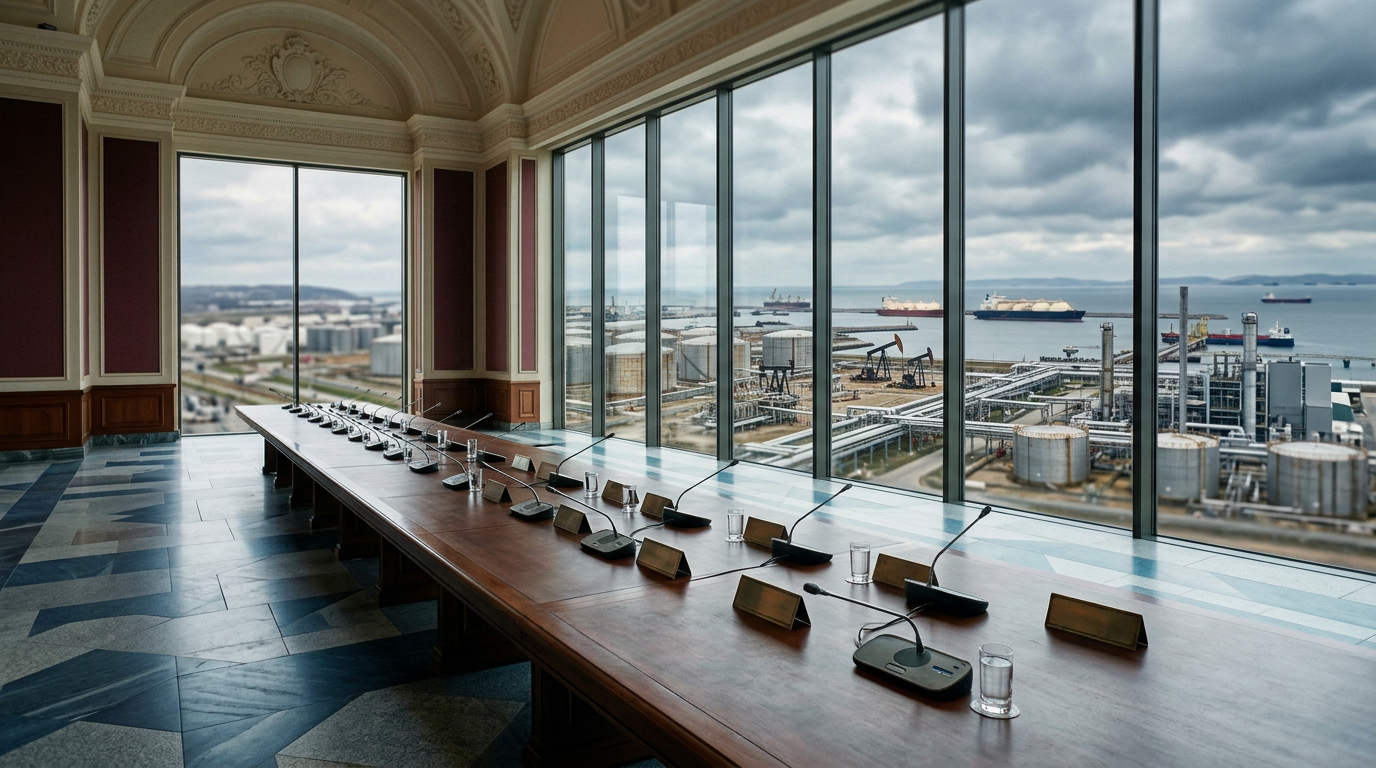
Recent incidents in the Persian Gulf region have underscored the vulnerability of critical energy infrastructure to geopolitical conflicts. On March 2, facilities in Qatar's Ras Laffan Industrial City and a Saudi Arabian oil installation in the Eastern Province were reportedly targeted by Iranian forces. These actions followed earlier airstrikes conducted by the United States and Israel against Iran.
Further escalating regional concerns, Iranian drones were implicated in a fire at an oil storage facility located in Oman's Salalah port this week. These events collectively highlight a growing trend where energy assets, traditionally viewed primarily through an economic lens, are increasingly becoming direct targets in contemporary conflicts.
Strategic Energy Assets Targeted
Saudi Arabia, a leading oil exporter, ships around 7 million barrels of crude oil daily. The Strait of Hormuz, a critical maritime chokepoint, facilitates the transit of nearly 20% of global oil consumption, making the security of the surrounding infrastructure paramount for international energy markets.
Historical Context and Evolving Threats
The current geopolitical landscape, marked by heightened regional tensions, necessitates a re-evaluation of these security assumptions. The incidents suggest that the region's energy sector, vital for both local economies and global supply, faces evolving and direct threats.
Lessons from Other Conflicts
Similarly, Ukraine's response to sustained attacks on its power grid since 2022 demonstrates methods for ensuring domestic energy system functionality amid extreme operational challenges. These examples provide frameworks for Gulf nations to enhance both the resilience of their export capabilities and the security of their domestic energy supplies against future threats.
Outlook for Regional Stability
Implications
Country Impact: Gulf states face increased pressure to enhance the security of their critical energy infrastructure, potentially leading to higher defense spending and strategic partnerships. Domestic energy security and export resilience will become key policy priorities.
Industry Impact: The global energy industry could experience heightened volatility in oil and gas prices due to perceived supply risks from the Persian Gulf. Companies operating in the region may face increased insurance premiums and operational costs related to security measures.
Market Impact: Global energy markets may react with increased risk premiums for crude oil and natural gas, impacting consumer prices and inflation. Investor confidence in the stability of energy supplies from the Middle East could diminish, leading to shifts in investment patterns.