El Niño tests Africa as food inflation risks widen again
Africa faces a strong El Niño from a weaker macro position, with food-heavy inflation baskets in Ethiopia and Zambia limiting policy room.
Amina Diallo ·
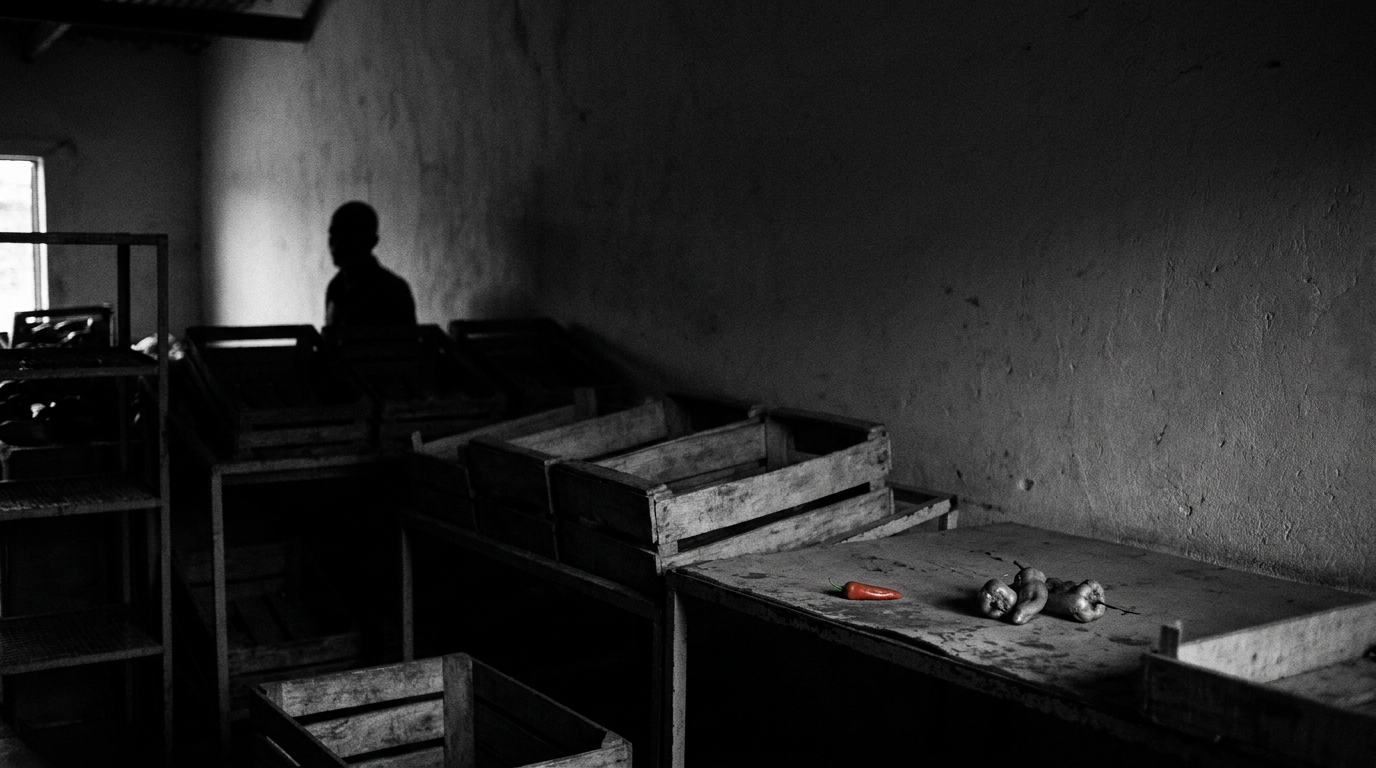
Africa faces a strong El Niño with food making up more than half of CPI in Ethiopia and Zambia, raising inflation risk, the IIF said.
Institute of International Finance analysts Candice Reddy and Leila Hamilton said in a research note that the region enters the weather cycle with less economic room than during the last severe episode in 2015-16. That earlier shock came as oil prices were falling and global inflation was generally softer, according to the IIF.
Forecasters expect the current El Niño cycle to be the strongest on record, with drought risk in parts of southern Africa and flooding risk in the east. The weather pattern threatens crop damage in economies already facing higher transport costs, a stronger dollar and tighter financing conditions, the IIF said.
Food baskets carry the shock
The IIF said food accounts for more than half of the consumer price index in Ethiopia and Zambia, compared with about a fifth of the basket in South Africa. That gap matters for inflation: a food-price increase feeds faster into headline CPI where food dominates household spending.
Reddy and Hamilton said the overlap of energy, currency, financing and climate shocks has changed the position from which governments may face another strong El Niño. “Egypt, Zambia and Ethiopia appear to have the least room to look through another food-price shock,” they said.
The IIF linked recent price pressure to the Iran war, which it said lifted oil prices and transport costs while adding to dollar strength. Costlier imports can tighten the squeeze for food-importing economies, especially where governments have limited budget space to cushion households.
Zambia’s power buffer narrows
Zambia faces a second channel of exposure beyond food, according to the IIF: the country relies on hydropower for the majority of its electricity generation. A drought could lower water levels and reduce power availability in Africa’s second-biggest copper producer.
The country has added solar capacity over the past year and is expanding coal-fired generation, the IIF said. Those additions may reduce the effect of lower reservoirs, but the risk links rainfall directly to power supply, mining output and household costs.
For copper producers and energy-intensive businesses, the mechanism is straightforward. If hydropower output falls, firms may face higher backup power costs, weaker reliability or production interruptions, while households would confront food and electricity pressure at the same time.
Three paths for African inflation
If rainfall disruptions remain localized and oil prices stabilize, the global macro effect would likely stay concentrated in food trade, import bills and humanitarian needs. Egypt, Zambia and Ethiopia would still face narrower choices on subsidies, interest rates and currency management, while food processors and transport companies would see less pressure than in a broader shock.
If drought in southern Africa and flooding in the east damage crops while the dollar stays firm, affected economies would face weaker external balances and faster inflation pass-through. In that scenario, the named sovereigns with heavier food baskets would have less room to treat the price move as temporary, and agribusiness, utilities and miners would carry higher input and reliability risks.
If Zambia’s added solar capacity and coal expansion offset part of a hydropower shortfall, the climate shock would still hit crops but may do less damage to electricity supply. That would matter for the copper sector, since steadier power would help limit mine disruptions even if food inflation and import costs remain elevated.
The main open questions are how severe the rainfall extremes become, whether oil and the dollar hold near current pressure points, and how quickly governments can respond without worsening debt and financing strains. The IIF’s warning is that the weather risk is arriving when macro buffers are already thinner than they were a decade ago.