Libya car bomb kills LNA intelligence chief in Benghazi
Libya car bomb killed LNA intelligence chief Fawzi al-Mansouri in Benghazi late Monday; eastern officials launched an inquiry Tuesday.
Lauren Collins ·
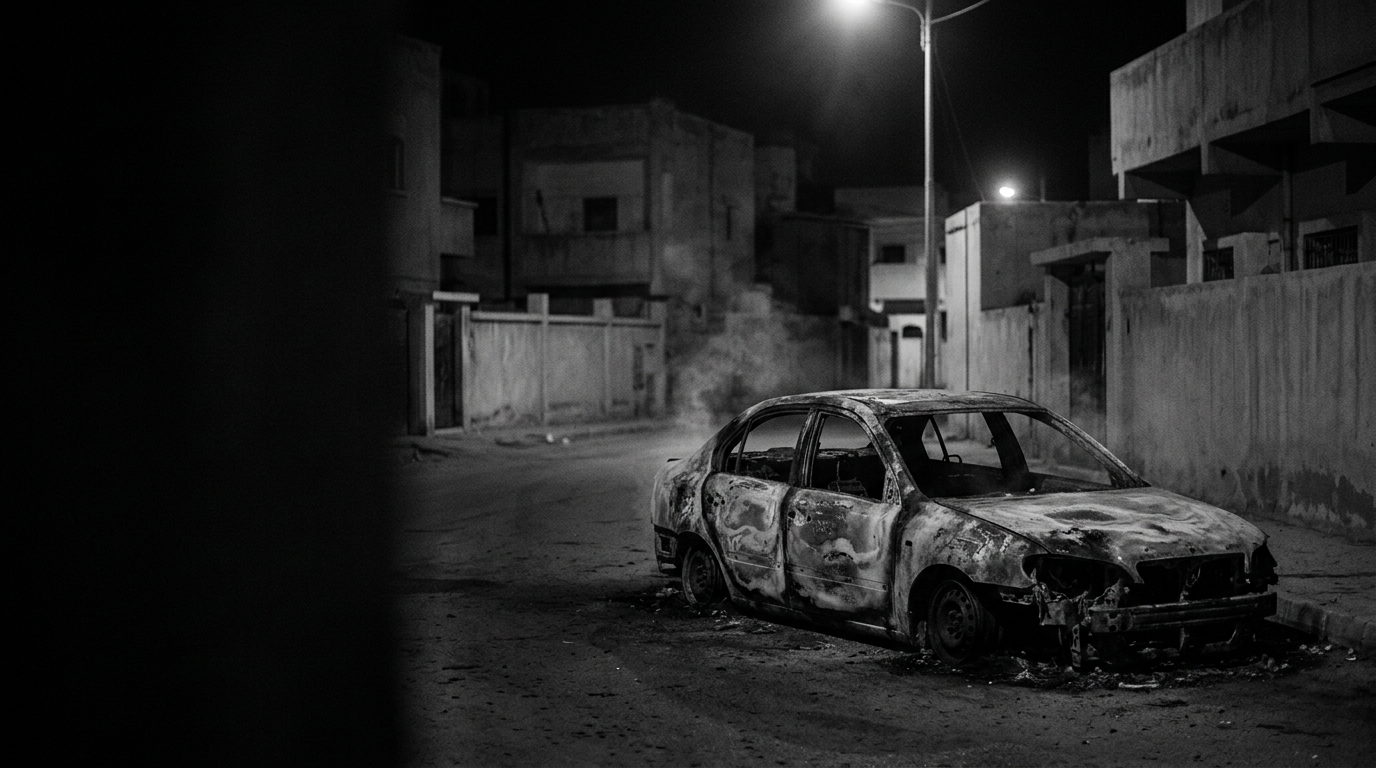
Major-General Fawzi al-Mansouri, the head of military intelligence for eastern Libya’s Libyan National Army (LNA), was killed late Monday when an improvised explosive device detonated in Benghazi, officials said.
Eastern authorities said the blast was a targeted assassination. Security sources said the device exploded outside al-Mansouri’s home in Benghazi’s Hawari district as he was getting into his car.
Investigation announced by eastern administration
General Fawzi
Osama Saad Hammad, prime minister of the eastern administration, condemned the killing in a statement on Tuesday and said an investigation had been launched to identify those responsible. In the same statement, Hammad described the attack as a “treacherous terrorist act” and said officials would work to “uncover the circumstances of the crime,” according to his office. LNA control in the east and the command structure Officials said the eastern-based forces are overseen by military commander Khalifa Haftar. They added that the LNA controls much of eastern and southern Libya and is aligned with authorities based in Benghazi.
Authorities did not name any group or individuals as responsible for the bombing, and no claim of responsibility was reported in the available statements.
Libya’s divided governance after 2011 and the 2020 ceasefire Libya has remained split between a UN-recognized government in Tripoli and a rival administration in the east since the 2011 uprising that removed longtime leader Muammar Gaddafi, officials said.
Officials said the divide became more entrenched in 2014 as rival factions competed for influence and state authority. A 2020 ceasefire later halted major warfare, but it did not remove the role of armed groups or end political rivalry across the country.
Security questions after the Benghazi attack
Despite the ceasefire, officials and security sources said armed actors and competing factions have continued to shape conditions on the ground, and targeted attacks have persisted, highlighting gaps in local security.
Key uncertainties remain, including whether eastern authorities can deter additional attacks in Benghazi and whether the killing leads to broader instability inside territory controlled by the LNA.