Ebola Crisis Deepens as Ituri Health Workers Walk Off the Job
Ebola response work in Ituri’s Bunia is disrupted as health workers strike over unpaid wages and bonuses, officials said, amid rapid transmission.
Atlas Newsdesk ·
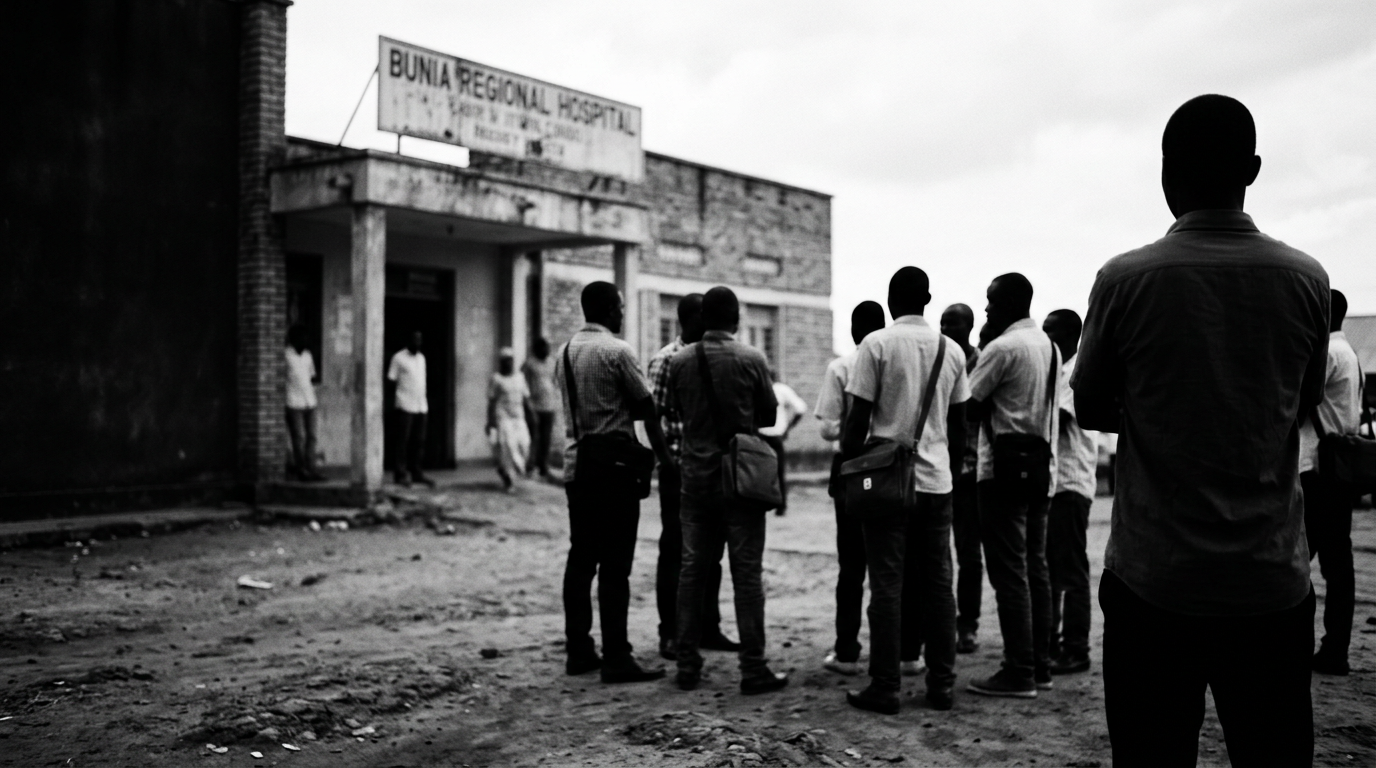
Health workers in the Democratic Republic of the Congo’s Ituri province have left key Ebola treatment and care sites to protest unpaid wages and bonuses, disrupting the response to the current outbreak, local officials said.
Officials said the walkout is centered in Bunia and involves staff linked to the management of nearly 90% of the country’s active Ebola cases. The stoppage follows weeks of intermittent protests and is unfolding during what officials described as a period of rapid transmission.
Unpaid wages and bonuses trigger walkouts in Bunia
Local authorities said the immediate trigger for the Local authorities said the immediate trigger for the strike is the non-payment of wages and bonuses owed to frontline health workers. Officials attributed the delays to logistical challenges affecting the release and delivery of funds. Authorities have not announced a settlement and have not provided a specific timetable for when payments will be made. As a result, critical facilities that rely on stable staffing have been left without personnel, weakening containment operations that depend on continuous clinical care and monitoring. Containment operations weakened as staff leave key sites Officials warned that the disruption has direct operational consequences for a response built around coordinated field activity and uninterrupted medical services. With staff absent, earlier progress in reducing person-to-person transmission may be harder to sustain, officials said.
They also cautioned that interruptions to medical services can undermine efforts to break established transmission chains. Officials described the current response as fragile, with the strike adding another layer of strain to already pressured systems.
Insecurity and unrest complicate access for teams and supplies Officials said the work stoppage is taking place amid insecurity in the region, including threats from armed groups and continuing civil unrest. Those conditions have obstructed movement for staff and supplies and have complicated the delivery of essential medical aid to areas of need.
International health officials have pointed to weak support for frontline responders as a major risk factor in the current outbreak. They warned that when workers do not receive reliable pay and practical backing, response capacity can deteriorate quickly, particularly where access to facilities and communities is already constrained by violence and instability.
Uncertainty over duration raises risk of deeper damage
Officials said the longer the strike lasts, the greater the risk of additional damage to Ituri’s health infrastructure. The concern extends beyond immediate gaps in care to the potential erosion of response systems that require trained staff to remain in place and maintain continuity.
Authorities have not said when the Bunia-centered walkout will end, and there is no confirmed resolution to the financial grievances cited by workers. With rapid transmission reported and security challenges unresolved, officials described a sustained risk that the outbreak could accelerate if staffing and support are not restored.