Brent Crude Hits $105 as US-Iran Friction Riles Markets
Crude oil prices have climbed above $105 per barrel, driven by geopolitical friction between the US and Iran and disruptions in key shipping routes.
Atlas Newsdesk ·
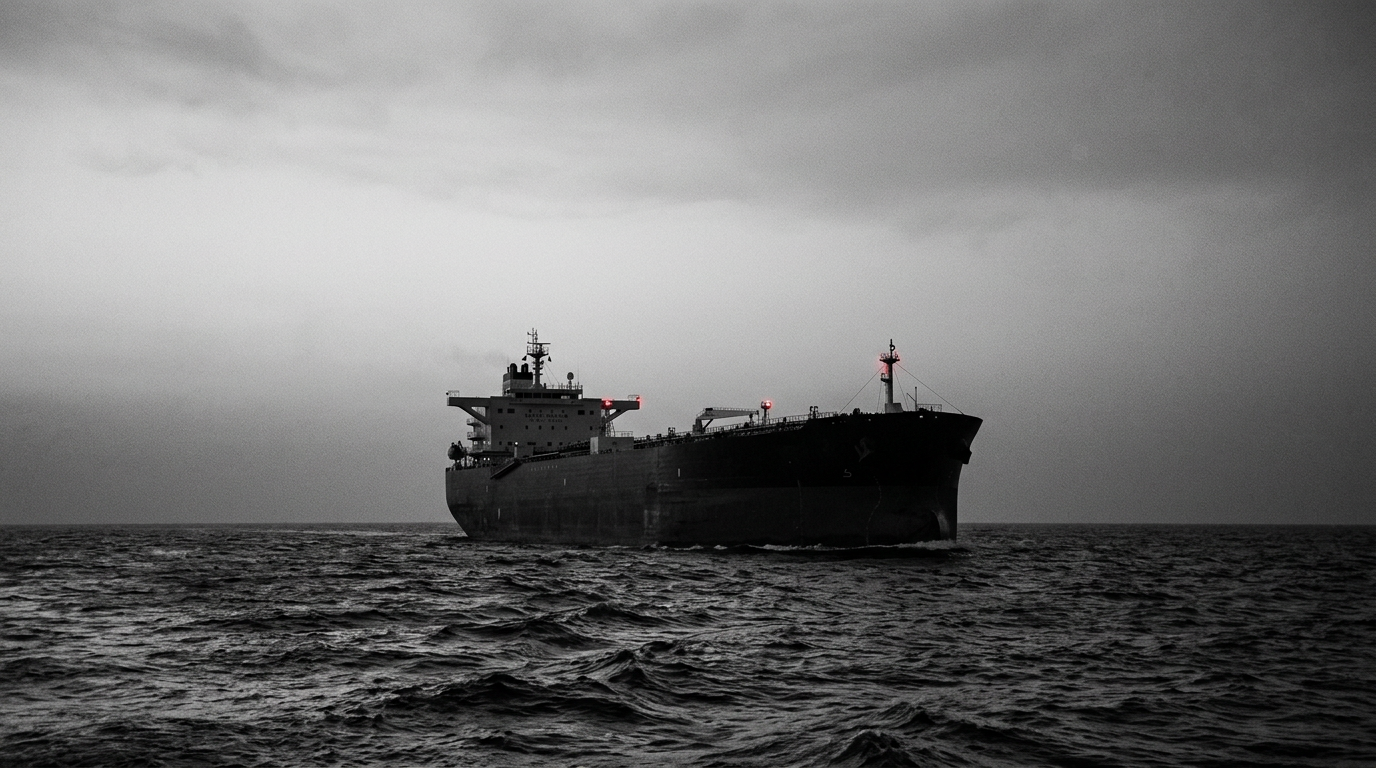
International crude oil prices have recently surged past $105 per barrel, contributing to a global increase in energy costs. This rise has been reflected in consumer prices, with gasoline in the United States reaching $4.29 per gallon and diesel climbing to $6.00 per gallon.
Geopolitical Factors Driving Prices
Real GDP Growth2.1%USA 2026 — IMF (↑ prev: 2.0%)Inflation (CPI)2.4%USA 2026 — IMF (↓ prev: 2.7%)Unemployment Rate4.1%USA 2026 — IMF (↓ prev: 4.2%) While some officials have attributed these price hikes to Ukrainian drone attacks on Russian refineries, market data suggests that ongoing geopolitical tensions between the United States and Iran are the primary driver. These tensions are specifically impacting the Strait of Hormuz, a crucial global shipping artery.
The escalating situation involving the U.S. and Iran has led to significant disruptions in the Strait of Hormuz.
The daily volume of oil transiting this strait has reportedly decreased substantially, falling from an estimated 20 million barrels to approximately 8–9 million barrels. This considerable reduction indicates significant constraints on the global oil supply.
Impact on Supply Chains Further complicating international energy supply chains are reported Iranian military actions, which include alleged targeting of tankers. These actions restrict the availability of both crude oil and refined petroleum products in global markets.
Additionally, alternative energy transport routes, such as Saudi Arabia's East-West pipeline, are experiencing heightened security risks.
Houthi insurgent activities in the Red Sea region have resulted in attacks on both pipeline infrastructure and regional shipping lanes. These assaults threaten to undermine existing workaround solutions for energy transportation, raising concerns about the stability of global energy supply. The current volatility in energy prices appears more directly linked to the broader military escalation between the U.S. and Iran than to other regional conflicts.
Ongoing Risks for Energy Markets
Continued instability across the Persian Gulf and Red Sea corridors remains the most critical risk factor for international energy markets. This persistent volatility directly influences global supply availability and pricing dynamics, maintaining upward pressure on energy costs.