DOJ Expands Beef Pricing Probe to Amazon, Walmart
The DOJ is requesting beef pricing data from retailers like Amazon and Walmart, expanding its antitrust inquiry into rising food costs.
Atlas Newsdesk ·
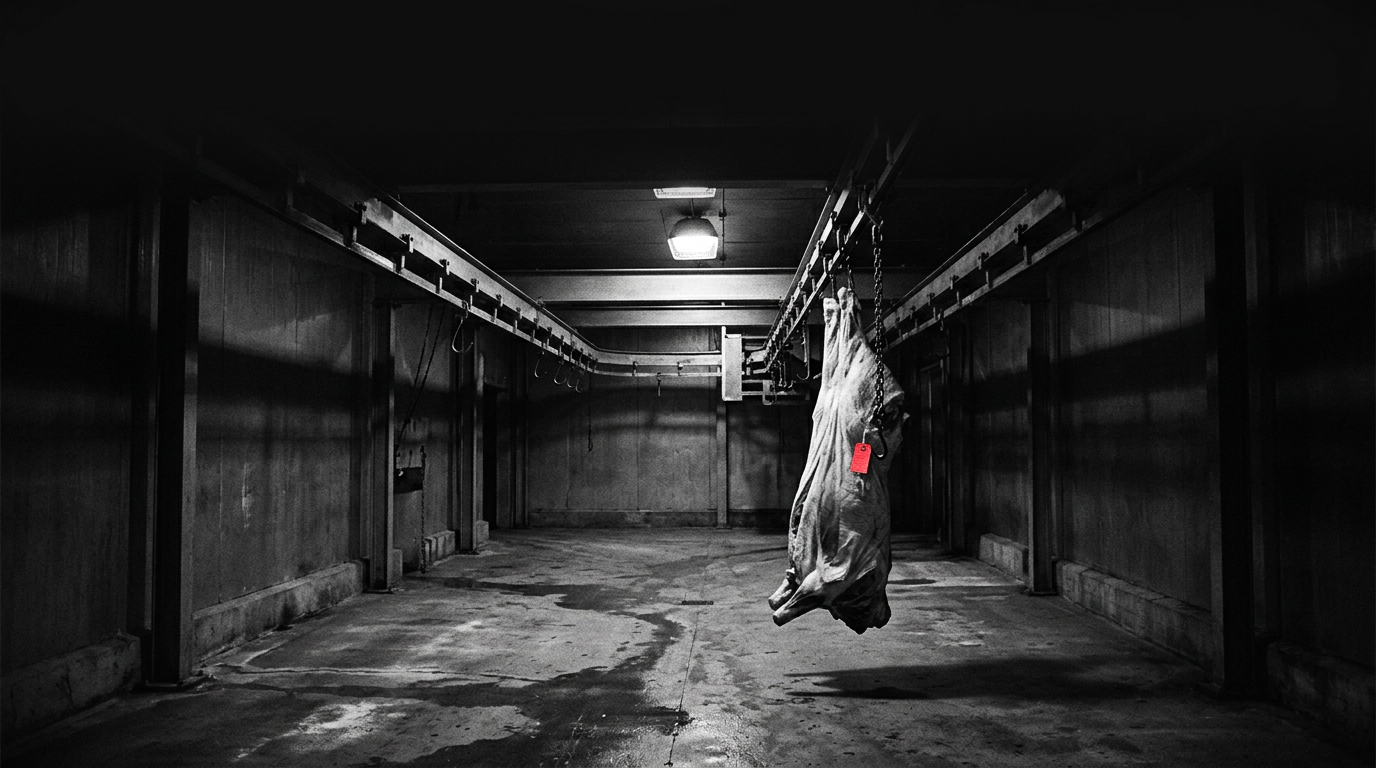
The U.S. Department of Justice (DOJ) has expanded its antitrust investigation into beef pricing, requesting detailed data from prominent retailers including Amazon and Walmart. This development signifies a shift in focus for federal regulators, moving beyond meat processors to examine how final consumer prices are determined at the grocery store level.
For over two years, government scrutiny of increasing food costs primarily targeted the nation's four largest meatpacking companies: Tyson Foods, JBS, Cargill, and National Beef Packing Co. These firms collectively control over 80% of the U.S. beef market. Previous inquiries and statements from the White House focused on their profit margins and potential price-fixing activities within the processing sector.
Retailers Face New Scrutiny
The recent requests for data from retailers suggest the DOJ is exploring whether anti-competitive practices extend to the retail sector. This probe aligns with the current administration's broader and more aggressive approach to antitrust enforcement, which has challenged mergers and business practices across various industries, from technology to transportation. For investors, this adds another layer of regulatory uncertainty to the consumer staples sector, already under observation due to ongoing merger reviews involving major grocery chains.
Historically, retailers have presented themselves as advocates for consumers, leveraging their significant purchasing power to negotiate lower input costs from suppliers. This latest inquiry challenges that established narrative by investigating whether the benefits of their scale and supply chain efficiencies are being fully passed on to shoppers, or if they are instead expanding their own margins at the expense of both consumers and producers.
Market and Industry Implications
The read-through for the retail sector is a direct challenge to profit margins in a critical category like fresh meat, which often drives customer traffic. Any pressure on retailers' ability to price these items profitably could represent a substantial financial headwind. This action also complicates the 'packer greedflation' narrative that has largely dominated public discussion and could influence future earnings guidance from retail companies.
Both Amazon, through its Whole Foods subsidiary, and Walmart, the largest grocer in the United States, are now directly within the regulatory spotlight. This situation introduces significant headline risk and the potential for expensive and disruptive legal battles. Conversely, it offers a degree of relief to meatpackers, who can now point to retailer pricing strategies as a contributing factor to high consumer prices. The expanded investigation prompts investors to re-evaluate regulatory risks, which were previously perceived as primarily affecting producers rather than sellers.
Outlook and Future Monitoring
Key developments to monitor include any public confirmation of the expanded investigation's scope by the DOJ or relevant disclosures made by the targeted companies in their public filings by August 31, 2024. Should the probe broaden to include other national grocery chains or if evidence of coordination or excessive margin capture at the retail level emerges, heightened pressure on consumer staples stocks could follow as the market assesses potential fines or mandated operational changes.