DoD civilian staffing shortfalls are squeezing installation operations, lawmakers warn
Declines in the Department of Defense's civilian workforce are limiting base maintenance, safety and support functions across military installations, offic…
Sophie McAlister ·
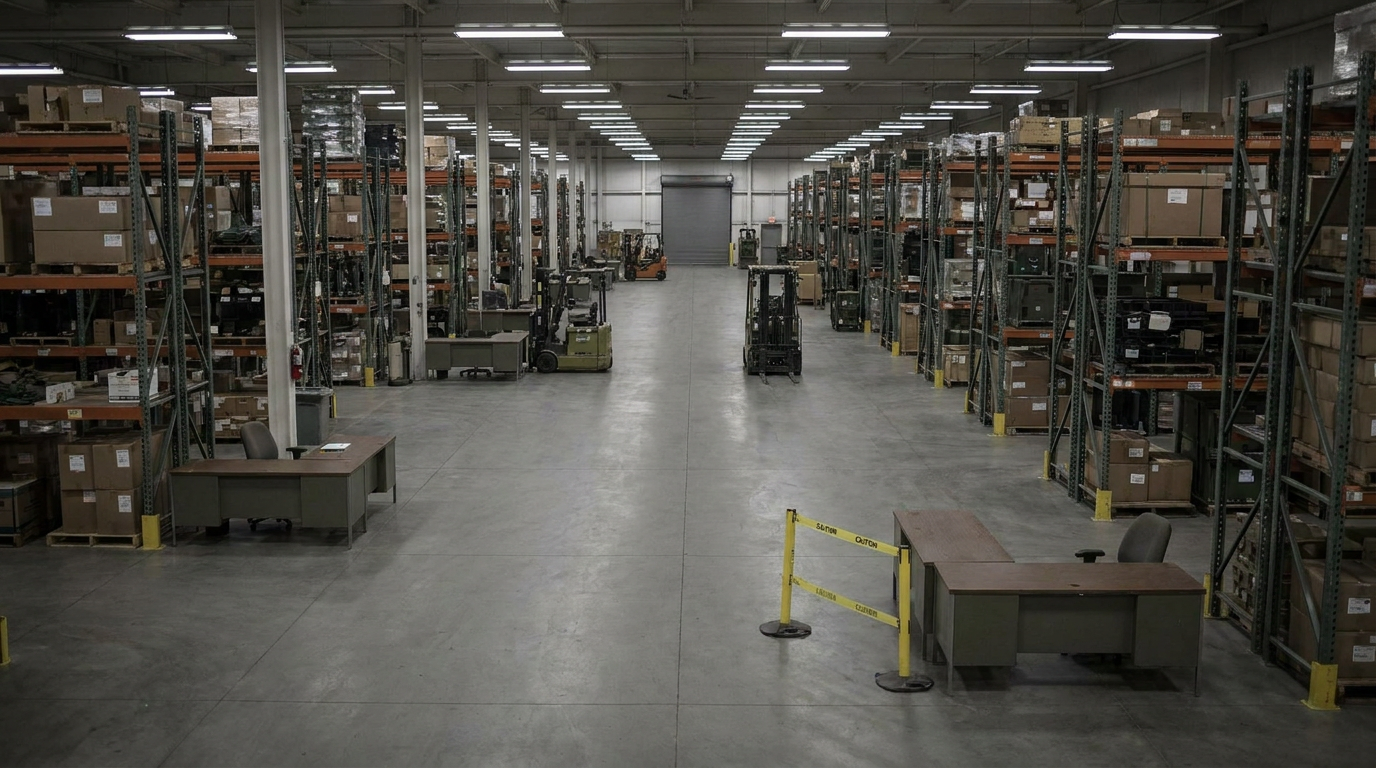
The Department of Defense is facing civilian workforce shortfalls that are straining operations at military installations nationwide, according to Pentagon officials and congressional lawmakers. The staffing gaps have reduced capacity for maintenance, facility services and safety-critical roles at bases, officials told reporters and policymakers earlier this month in discussions in Washington. Senators and Defense officials say the trend is eroding day-to-day installation functions and creating pressure on military readiness.
Lawmakers on Capitol Hill have raised alarms about vacancies in roles that keep bases functional — from facility maintenance crews to fire and emergency services and environmental compliance staff. Pentagon witnesses told oversight panels that losing experienced civilian employees has left some installations without the depth of expertise needed to schedule repairs, manage utilities and meet regulatory responsibilities on time. Members of Congress pressed the department for clearer plans to fill positions more quickly.
How shortages show up on bases
Installations have responded by shifting priorities, delaying nonessential projects and relying more on contractors for specialized tasks, officials said. That shift can increase costs and complicate long-term facility planning, because contractors are often more expensive and provide less continuity than career civilian employees. Military leaders described examples where routine maintenance backlogs have grown and where limited staffing has constrained the ability to execute base-support missions efficiently.
Defense officials pointed to a combination of factors driving departures: competition with the private sector, retirement waves among long-tenured employees, hiring delays and administrative hurdles in recruiting. Officials acknowledged that pay, hiring authorities and other workforce tools need updating to help the department compete for technical and maintenance talent in many regions.
Capitol Hill pressure and oversight
Senators and House members have used recent hearings and briefings in Washington to press Pentagon leaders for concrete fixes, including faster hiring processes, better use of existing personnel authorities and targeted recruitment. One senator described the staffing losses as a self-inflicted problem that has pushed experienced workers out of critical roles, increasing the workload for remaining staff and undermining installation functioning.
Officials emphasized that while the department is working to mitigate the effects through temporary assignments and contractor support, those measures are not a long-term substitute for a stable civilian workforce. Some lawmakers signaled interest in tying workforce reforms to budget discussions and oversight actions on Capitol Hill this year.
Personnel experts on base management noted that recovery will require coordinated action across the Pentagon, including clearer hiring targets, retention incentives and streamlined human-resources processes to reduce vacancy timelines. Without those changes, officials warned, installation backlogs and readiness impacts could persist.
What to watch next: Congress may press the Pentagon for specific hiring and retention commitments during upcoming hearings, and lawmakers could seek budget language or policy changes aimed at accelerating civilian recruitment and improving retention at installations nationwide.