NHS Opens Doors to Asylum-Seeking Doctors
UK asylum doctors can work in the NHS from Thursday after the Home Office reversed rules that previously blocked qualified clinicians.
Ayla Demirhan ·
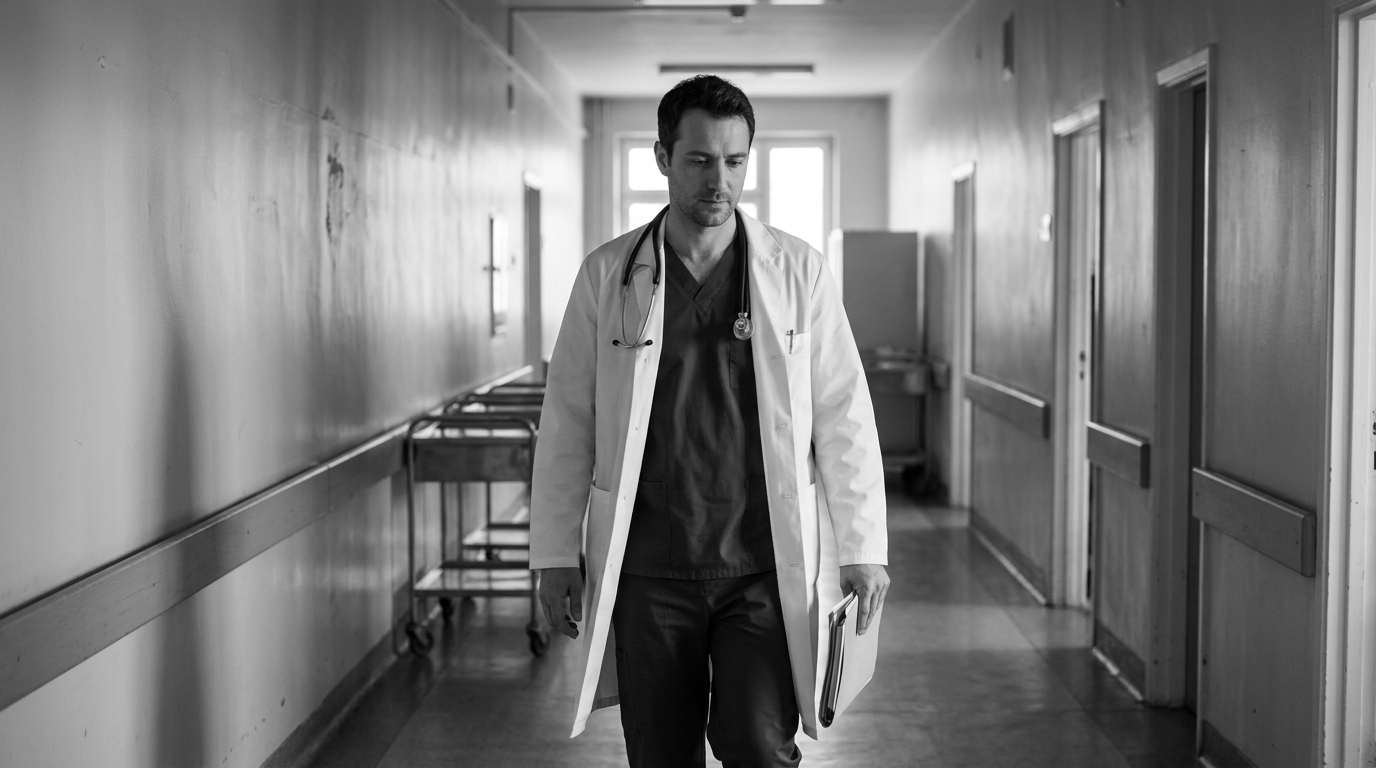
Policy shift opens NHS roles to asylum-seeking clinicians
The UK Home Office has changed its approach to employment rights for some people seeking asylum, enabling qualified doctors who are waiting for an asylum decision to take jobs in the National Health Service (NHS). The revised policy takes effect on Thursday.
The change follows a High Court challenge brought by two specialist doctors who said they were blocked from working despite having the necessary professional qualifications. The case focused on how the previous rules limited access to roles that match medical training.
What changed in the rules
Under the earlier immigration framework, asylum applicants who had waited more than 12 months for an initial decision could seek permission to work only in a narrow set of occupations. Those roles were tied to the immigration salary list, and medical jobs were not included.
As a result, doctors in the asylum system could not take up clinical posts in the NHS even when they were qualified to do so. The updated policy now allows access to graduate-level NHS roles, including positions for doctors and nurses.
Who is affected and why it matters now
The immediate beneficiaries are asylum seekers with medical qualifications who are still awaiting an initial decision and who meet the conditions of the revised policy. The two clinicians who initiated the legal challenge—a radiologist and a neuro-rehabilitation specialist—are now able to apply for NHS jobs under the new rules.
One of the two has already obtained a specialist role that had been vacant for a year, highlighting how the policy intersects with staffing gaps. The NHS has shortages across multiple specialties, and the Home Office change is intended to make it easier for the health system to draw on available skills.
Workforce capacity, skills retention, and constraints
A central issue raised by the earlier restrictions was the risk of “deskilling,” where trained clinicians lose professional capability when they cannot practice. By permitting graduate-level NHS employment, the new approach is designed to reduce that risk while also supporting workforce capacity.
However, the policy announcement does not, on its own, resolve every barrier to employment for internationally trained clinicians. The source material does not specify how many asylum-seeking doctors could qualify, how quickly hiring could occur, or what additional professional requirements may apply in practice.