England Doctors Plan Six-Day April Strike
England resident doctors plan a six-day strike from April 7–13 after rejecting a government pay offer, raising NHS cost and backlog risks.
Ayla Demirhan ·
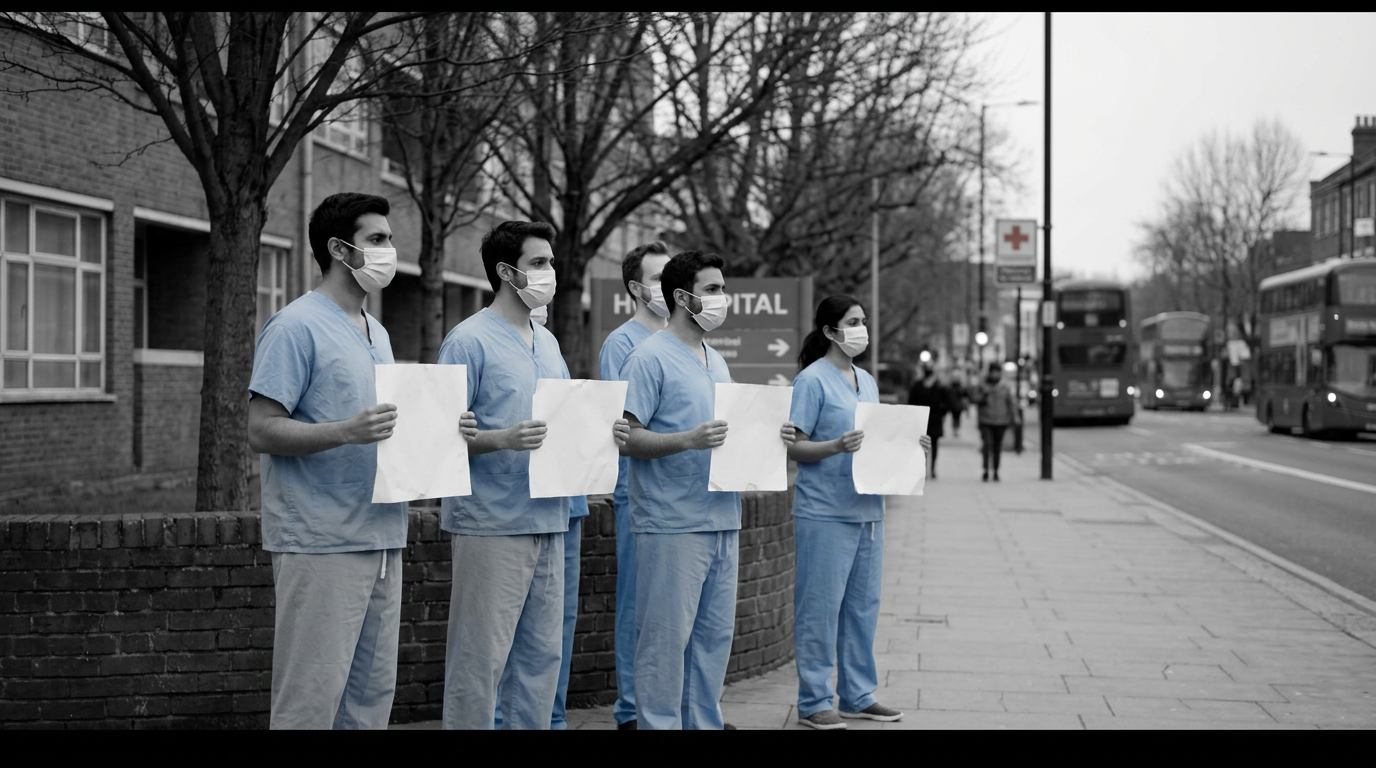
Resident doctors in England are scheduled to stop work for six days from April 7 through April 13, escalating a long-running dispute over pay and conditions.
The British Medical Association (BMA) said the walkout follows the government’s pay proposal being turned down, marking the 15th strike action in the dispute.
What changed in talks
Negotiations have been under way since early January, but the two sides diverged over how quickly additional funding would be delivered and how pay progression would be structured.
A central issue is “nodal point reform,” the mechanism that determines the pace at which doctors move up the NHS pay scale. The BMA has linked the strike decision to the government’s position on the timing of increases tied to that progression.
Money and timelines at the center
In the talks, the government proposed distributing a £700 million pay increase across three financial years. The figures cited were £150 million in 2026–27, £200 million in 2027–28, and £300 million in 2028–29.
The BMA said it wanted the full £700 million applied in the 2026–27 year instead of being phased in. Health Secretary Wes Streeting said he was disappointed by the rejection, describing the offer as “generous” and calling it a “landmark new deal.”
Pay restoration claims and the latest recommendation
The BMA has argued that its push for full pay restoration has not been met, pointing to what it described as a 26% real-terms decline since 2008–09.
It also cited a recent recommendation for a 3.5% pay rise for medics in England as further evidence, in its view, that the gap it is seeking to close remains unresolved. The source material does not specify whether that recommendation has been accepted or how it would interact with the separate £700 million proposal.
Operational and financial pressure on the NHS
NHS leaders have estimated the six-day stoppage could cost about £300 million. The strike is expected to lead to cancelled appointments and longer waits for patients, adding operational strain during the period of industrial action.
Beyond the immediate disruption, the dispute highlights how pay-scale design and multi-year budgeting can become flashpoints in public-sector labor negotiations. For markets and policymakers, the episode underscores the fiscal sensitivity of workforce settlements in a tax-funded health system, even when proposals are framed as multi-year packages.
Risks, unknowns, and what comes next
Key uncertainties include whether talks will resume before April 7, whether the government will alter the timing of funding, and how any eventual agreement would implement nodal point changes in practice.
What is confirmed is the strike window, the broad contours of the rejected offer as described, and the competing characterizations from the BMA and the health secretary. The scale of cancellations and the final cost to the NHS remain projections rather than settled outcomes.