District’s official events calendar lists municipal meetings and public programs
The District’s official website maintains a centralized events calendar that lists public hearings, community meetings, workshops and cultural programs…
Sophie McAlister ·
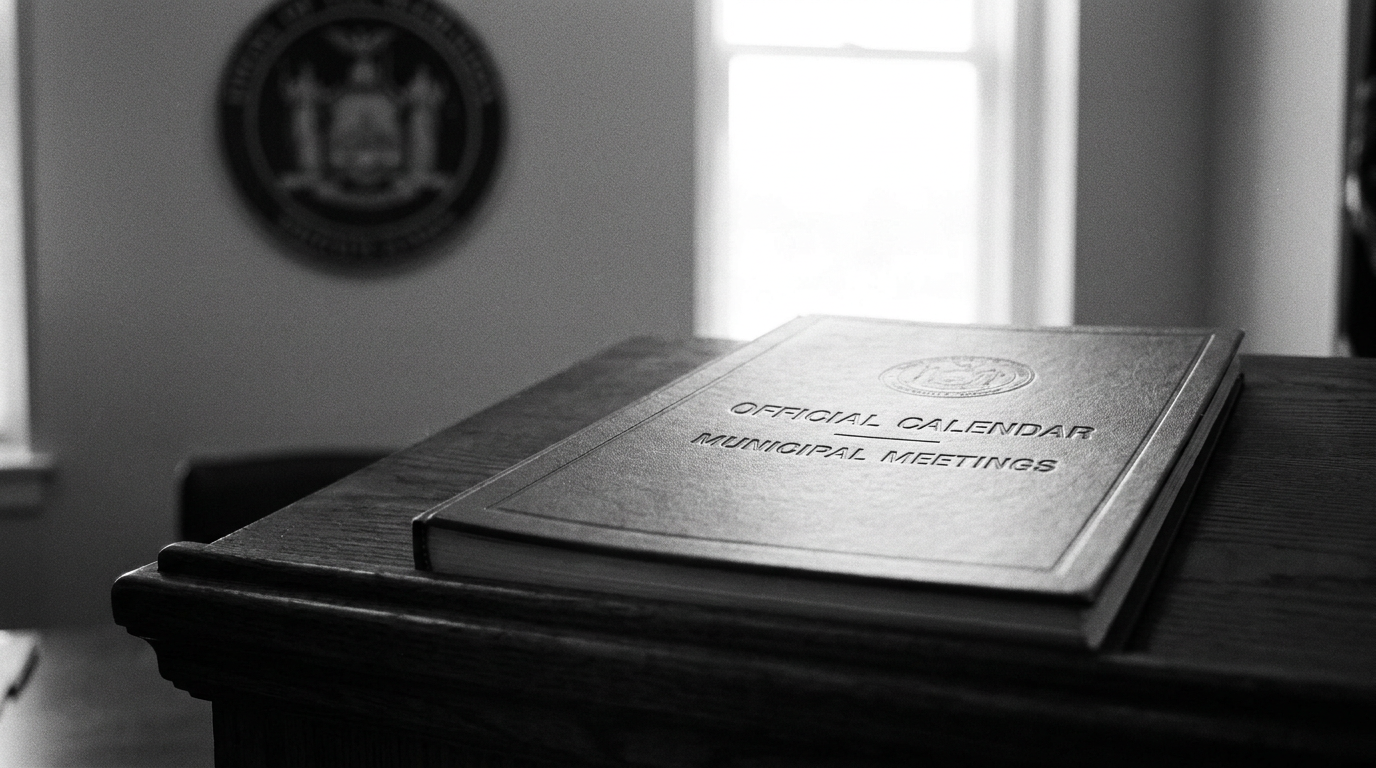
The District of Columbia’s official website maintains a centralized events calendar that lists upcoming public hearings, advisory-board meetings, community workshops and cultural programs across the city. The calendar aggregates listings from municipal agencies and public venues and is updated regularly to reflect new postings and schedule changes.
The page provides a searchable interface where users can filter events by date range, neighborhood, agency and event type. Listings typically include time, location, a brief description and links to registration or more information when required. The calendar covers statutory public processes such as council hearings and zoning meetings as well as community-facing programming run by city agencies and partner organizations.
How the calendar is organized
Events are grouped by date and by sponsoring agency or office, allowing residents to scan a specific week or month and to focus on a neighborhood or topic. Each entry shows the basic logistics — time, place and any attendance requirements — and links to agency pages or registration portals when those are needed. This centralization reduces the need to search multiple departmental sites and helps residents track formal civic processes alongside cultural and educational offerings.
For community organizers and neighborhood leaders, the calendar functions as a public notice tool: it signals scheduled public meetings and outreach sessions that can affect planning, zoning and neighborhood services. Agencies use the page to publish civic engagement opportunities and to meet public-notice obligations tied to hearings and rulemakings.
Neighborhood and civic utility
The calendar includes listings across Washington’s neighborhoods, from downtown hearings to community festivals in residential wards. Users can identify events by neighborhood tags, making it easier to find items relevant to local concerns — for example advisory neighborhood commission meetings, local public-safety forums, or park programming. The centralized feed also aggregates citywide initiatives such as public-health workshops and seasonal services announcements.
While the calendar is a practical discovery tool, it does not replace the official notice mechanisms tied to formal legal processes. Residents who need to participate in rulemakings or testify at hearings should consult agency-specific notices and filings for the full procedural record and deadlines.
How city agencies and community groups continue to use and promote the calendar will shape civic participation patterns and event turnout in the months ahead.