District centralizes public calendar on DC.gov to aggregate city events
The District of Columbia maintains an official events page at dc.gov/events that aggregates city-run programs, public meetings and resident-facing activities.
Sophie McAlister ·
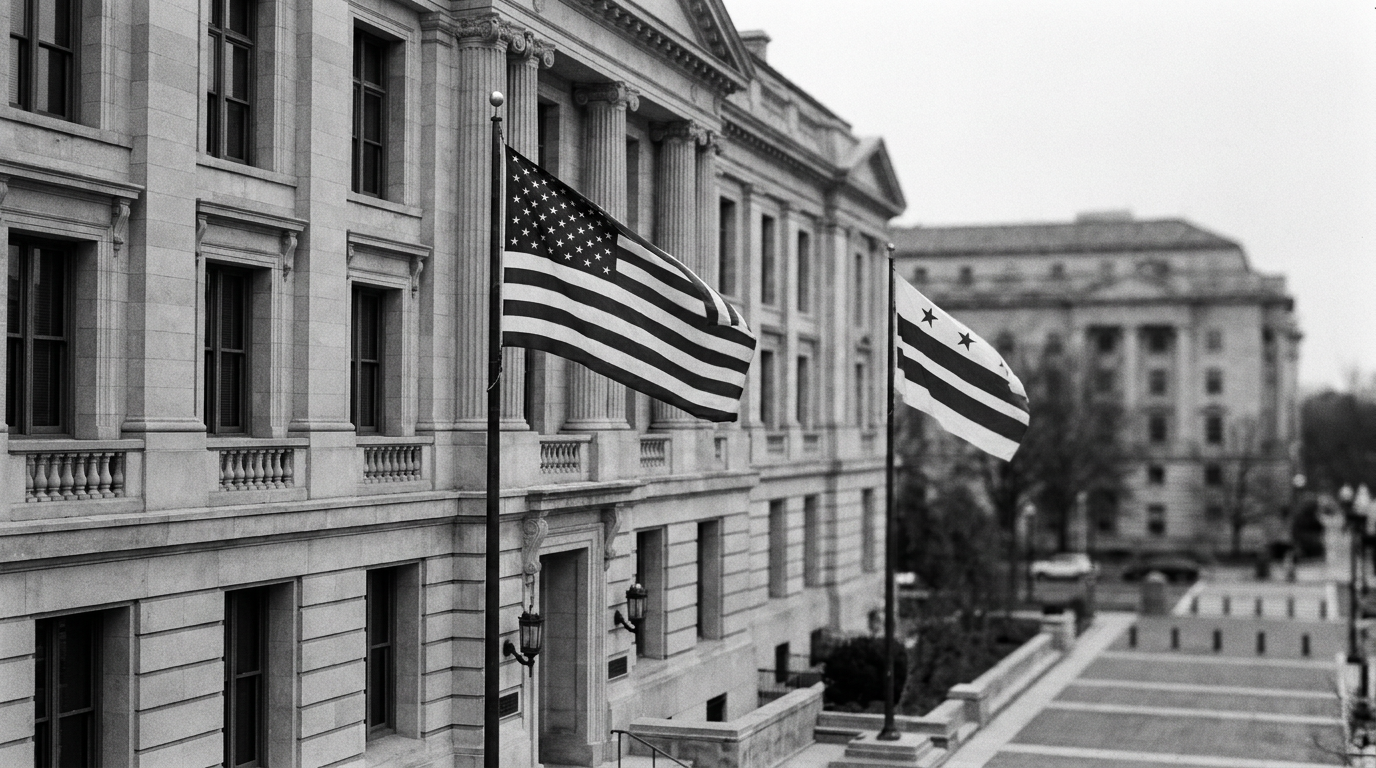
The District of Columbia publishes an official events calendar on its website that aggregates city-run public programs, community meetings and resident-facing activities. The page, reachable at dc.gov/events, serves as a central listing for notices from municipal agencies and is updated on an ongoing basis.
The calendar collects entries across neighborhoods and departments, providing a single point of access for users seeking details about city-organized events. Listings typically include event titles, locations or virtual access details, dates and basic participation information. The District’s events page is intended to reduce fragmentation between agency announcements and to help residents find city services and meetings in one place.
For journalists, community groups and neighborhood associations, the calendar offers a dependable reference for scheduling and planning: reporters can scan the feed for official hearings and briefings, neighborhood organizers can check for scheduling conflicts, and residents can locate in-person or virtual programs run by the city. Many listings link to registration pages or contact points maintained by the hosting agency.
How the calendar supports local engagement
Centralizing events on the official site aims to boost civic participation by making municipal programming easier to discover. The page aggregates diverse event types — from public hearings and advisory meetings to workshops and recreational activities — so residents can search or browse by date or neighborhood. Agencies can post updates that feed into the calendar, streamlining communications across the municipal web presence.
City offices and partner organizations often use the calendar to publish recurring programs and one-off convenings. That helps reduce duplicate postings across separate agency pages and provides a single canonical notice for stakeholders who rely on official scheduling information.
Practical use and limitations
While the calendar centralizes official listings, it does not replace agency-specific pages for detailed agendas, minutes or regulatory materials. Users looking for meeting transcripts, formal rulemaking documents or vendor procurement notices should consult the hosting agency’s page or contact the listed event organizer directly. The official calendar functions as a front-door discovery tool rather than an exhaustive records repository.
The District’s calendar is public and accessible without a login; many entries include links to RSVP forms, virtual meeting portals or agency contact emails. Users who depend on timely notice for civic participation should check the calendar regularly and subscribe to agency alerts where available.
Residents and reporters planning coverage or participation should watch for seasonal surges in events tied to budget cycles, community planning deadlines and cultural festival seasons, when the calendar’s listings typically grow. The city may add new filters or navigation features to the page over time to improve discoverability.