Dell adds Kimi K3 to Enterprise Hub for sovereign AI
Dell has integrated Moonshot AI’s Kimi K3 into Enterprise Hub, pitching frontier-scale AI deployments on private, sovereign infrastructure.
Edward Mullen ·
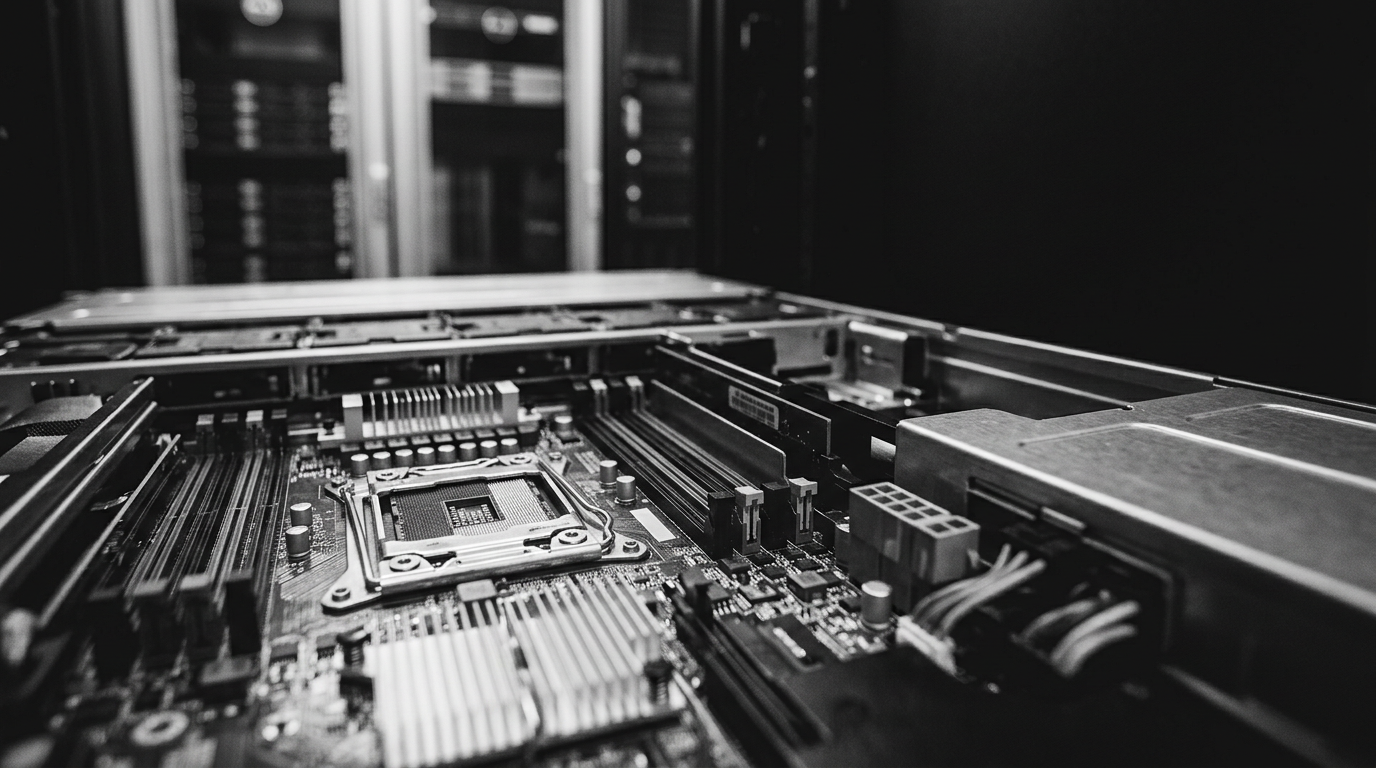
Dell said it has integrated Moonshot AI’s Kimi K3 into its Enterprise Hub, positioning the model for deployment on private, “sovereign infrastructure” rather than as a public-cloud-only consumption option. The move is framed as an enterprise procurement alternative that emphasizes on-site control of compute and data governance.
According to the announcement, the model is Kimi K3, described as a 2.8-trillion-parameter open-weight system. Dell’s message centers on enabling enterprises to run a frontier-scale model while keeping data residency and governance under their own control, a consideration that can be decisive for regulated organizations and government-adjacent programs.
Dell’s Enterprise Hub placement targets private deployments
The integration is presented as more than a limited demonstration, with Dell describing it as an end-to-end capability for organizations that want to customize models on-premise and manage data locally. The stated appeal is a purchasing path that avoids ongoing public-cloud inference fees by shifting inference into a privately hosted environment.
In practical terms, Dell is tying the proposition to procurement requirements: where data flows, where it is stored, and who can access it. The repeated emphasis on “sovereign infrastructure” signals a focus on data-residency and governance controls as part of the infrastructure decision, not an afterthought layered onto a cloud service.
What the Kimi K3 description does—and does not—include
The post characterizes Kimi K3 as a 2.8-trillion-parameter open-weight model, underscoring the “frontier-scale” positioning. Dell’s framing suggests that organizations can pursue high-end model capability while keeping both model and data governance “under their own roof,” aligning with internal compliance demands.
Moonshot AI
However, the release does not provide procurement-critical details. Dell does not disclose pricing, hardware specifications, or which customer groups are being targeted, and the materials do not spell out key terms such as cost per task, ownership of the weights, or an upgrade cadence for ongoing model updates.
A procurement-oriented pitch with unresolved cost questions
As presented, the announcement reads as a control-first procurement narrative rather than a conventional model launch focused on performance. The logic highlighted is contractual and operational: how enterprises structure governance, access control, and update processes when inference happens on-premise at this scale.
The announcement implies a potential margin shift from recurring cloud inference fees toward on-premise hosting and bespoke integration, but it stops short of quantifying any economics. Without pricing, service-level terms, and defined upgrade cycles, total cost of ownership remains uncertain, especially given the potential operational burdens of running a frontier-scale model in a private environment.
Dell’s materials also do not include on-the-record commentary from named industry experts, and the information provided remains at the level of a product announcement rather than independent validation. Dell and Moonshot AI updates on pricing, deployment timelines, and what “sovereign infrastructure” means in operational terms are likely to be central to how enterprises evaluate the offering.