Avian Flu Spreads to Marine Mammals in California
Avian flu has spread to additional marine mammals and public beaches in San Mateo County, California, impacting elephant seals, sea lions, and otters.
Ayla Demirhan ·
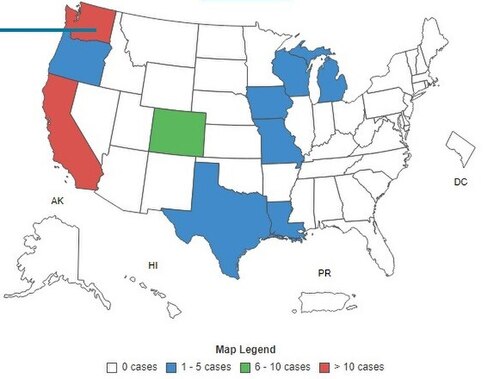
An outbreak of avian influenza has expanded its reach among marine mammal populations along the San Mateo County coastline in California. Initially identified at Año Nuevo State Park, the virus has now been confirmed in additional elephant seals, a California sea lion, and a southern sea otter. This development, reported on March 12, 2026, signifies a broader ecological impact beyond the initial detection.
The initial cluster of infections at Año Nuevo State Park resulted in the deaths of 30 elephant seals and prompted a partial closure of the park. Subsequent testing has confirmed 16 live elephant seals positive for the virus, with nine new cases emerging recently. The geographical spread now includes public beaches both north and south of the park, indicating a wider distribution of the pathogen within the coastal ecosystem.
Expanded Species Impact
Beyond elephant seals, the highly pathogenic avian influenza (HPAI) has been detected in a California sea lion and a southern sea otter. This expansion to multiple marine mammal species raises concerns about the virus's adaptability and potential for cross-species transmission. The virus has also been observed in various seabird populations and has affected peregrine falcons in the region.
Public Health Advisory
Authorities emphasize that the risk of transmission to the general public remains low. However, direct contact with infected animals significantly increases the potential for human exposure. Public health guidance advises individuals to avoid approaching or touching stranded, sick, or deceased marine mammals and birds. Sightings of such animals should be reported to the National Oceanic and Atmospheric Administration's stranding hotline.
Monitoring and Research Efforts
Christine Johnson, director of the Institute for Pandemic Insights at UC Davis, confirmed the new cases, highlighting ongoing surveillance efforts. Researchers are closely monitoring the situation to understand the transmission dynamics and potential long-term effects on affected species. The continued spread underscores the importance of robust wildlife disease surveillance programs.
Historical Context of Avian Flu
Avian influenza, particularly the H5N1 strain, has caused significant outbreaks globally in poultry and wild bird populations for decades. In recent years, there has been an increasing number of spillover events into mammalian species, including foxes, bears, and now a wider range of marine mammals. This trend suggests a potential evolution of the virus, making it a subject of intense scientific scrutiny.
The current outbreak in California follows a pattern seen in other parts of the world, where HPAI has impacted diverse wildlife, leading to concerns about biodiversity and ecosystem health. The economic implications for local tourism and fishing industries, though not yet fully quantified, could also be significant if the outbreak persists or expands further.
Implications
Country Impact: The expanded avian flu outbreak in California's marine mammal populations highlights a growing ecological challenge within the United States. This situation could necessitate increased federal and state funding for wildlife disease surveillance and response, potentially impacting resource allocation for conservation efforts.
Industry Impact: While direct economic impacts are not yet clear, the spread of avian flu to marine mammals could affect local tourism, particularly in coastal areas reliant on wildlife viewing. Fishing industries might also face indirect concerns if the health of marine ecosystems is perceived to be compromised, although direct threats to commercial fish stocks are not currently indicated.
Market Impact: The primary market implications are likely to be localized, potentially affecting regional tourism and related service sectors. Broader market impacts are minimal unless the virus demonstrates a significant jump to human populations or livestock, which is not currently the case. However, increased public health vigilance could lead to minor shifts in consumer behavior regarding seafood or outdoor activities.