DDOT and Amazon test electric cargo bikes for small-package deliveries in D.C.
D.C. & Amazon pilot electric cargo bikes in May 2026 for small-package deliveries. Study effects on curbspace, safety & micromobility rules.
Sophie McAlister ·
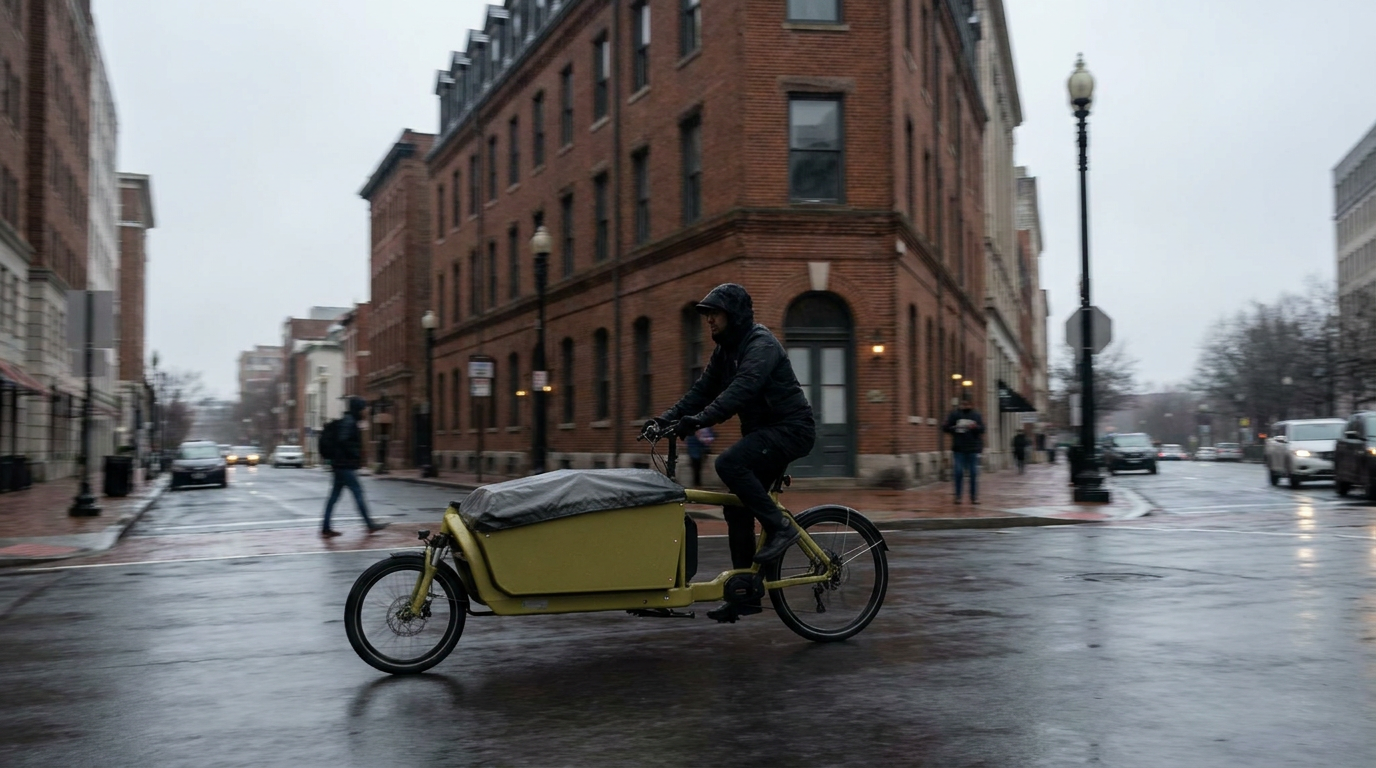
The District of Columbia's Department of Transportation has begun a pilot with Amazon to test electric cargo bikes for small-package deliveries on city streets in May 2026, DDOT Director Sharon Kershbaum said. The vehicles being trialed are significantly smaller than the vans and trucks usually used for last-mile deliveries. The pilot will evaluate how these cargo bikes operate in urban curbspace, interact with pedestrian and bike infrastructure, and affect neighborhood street use.
Officials said the trial focuses on practical delivery tasks — moving small packages — rather than replacing larger freight vehicles. DDOT is monitoring how the bikes load and unload, where they park, and whether they can reduce double-parking and curb congestion that often accompanies traditional delivery vehicles. The agency will use observations from the pilot to inform any adjustments to curb management and micromobility policy.
What the pilot is testing
DDOT emphasized that the trial is meant to gather operational data: vehicle size and maneuverability, parking and loading behavior, rider and pedestrian safety, and the logistics of integrating cargo bikes into existing delivery routes. City staff are tracking where bikes stop, how they affect traffic flow, and whether they present new safety or enforcement challenges for street-level managers.
The pilot is limited in scope and designed to answer technical questions about last-mile delivery in dense urban neighborhoods. Officials are especially focused on how cargo bikes interact with protected bike lanes, curbside pickup zones, and residential loading areas — locations where small delivery activity is concentrated.
Impacts on curbspace and neighborhood streets
City transportation planners view delivery mode shifts as part of a broader effort to manage curbspace, a scarce public resource used for parking, transit stops, commercial loading and micromobility. If cargo bikes reduce the need for larger vehicles to stop in travel lanes, the pilot could help ease congestion and improve safety on narrow blocks. At the same time, the city will watch for new conflicts between cargo bikes and existing bicycle or pedestrian infrastructure.
Transportation officials say results from the pilot will guide whether rules or infrastructure changes are necessary to accommodate cargo bikes at scale, including designated loading zones or updated permitting for micromobility delivery operations.
DDOT's collaboration with Amazon represents a pragmatic test of an emerging delivery approach rather than an immediate policy shift. The agency intends to analyze the pilot data before proposing any regulatory changes.
City residents and local businesses should expect targeted activity in certain neighborhoods during the trial period as DDOT and Amazon collect data on route patterns and curb interactions. Officials plan to use those observations to decide next steps.
What to watch: DDOT will report findings from the cargo-bike pilot later this year and may recommend updates to curb-management strategies or micromobility rules based on operational results.