Where DC Tech Meets: Guide to Networking Events Across Washington
Connect with Washington’s founders, investors, and experts through a steady calendar of tech networking events across NoMa, Dupont, and Navy Yard.
Sophie McAlister ·
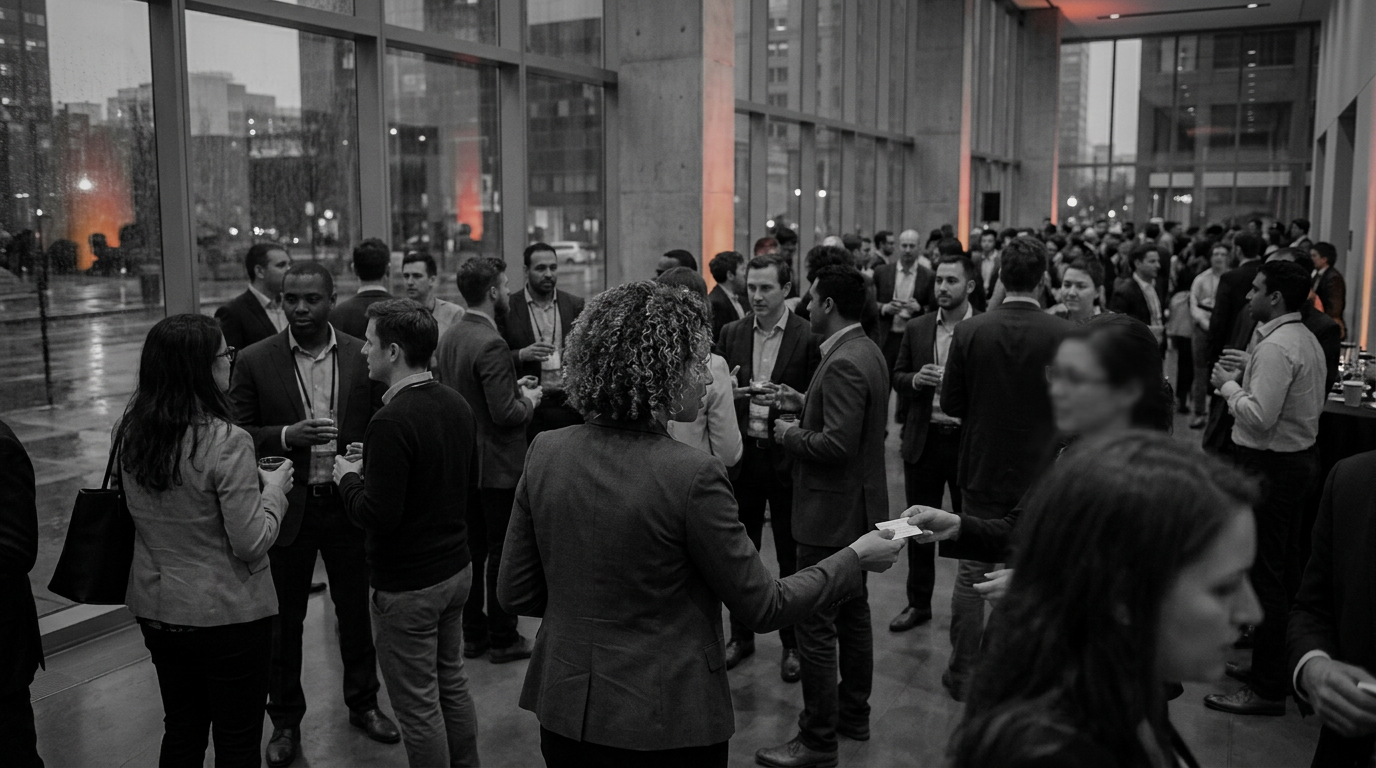
Washington’s tech community maintains a steady roster of in-person networking opportunities across the city, with weekly and monthly meetups, panels, workshops and demo nights spread through central neighborhoods. Events aimed at founders, product builders, investors, civic technologists and policy professionals are concentrated near transit-linked hubs that host coworking spaces, incubators and university programs. The calendar is largely organized by local groups, accelerators and industry associations that use public listings and ticketing tools to coordinate attendance.
Attendees can expect formats ranging from casual happy-hour meetups to structured pitch nights and hands-on workshops. Many gatherings favor short presentations followed by open networking; others pair moderated discussions with direct recruitment or partnership opportunities. The mix reflects Washington’s dual role as a policy capital and growing startup market, where technical talent and procurement-minded public-sector buyers often share the same room.
What kinds of events are running
Typical programming includes sector-specific meetups for artificial intelligence, cybersecurity and civic tech, recruitment-focused job fairs, investor-founder mixers and teach-ins on product development or fundraising. Some sessions are curated for students and early-stage founders, while others target experienced executives and investors. Workshops and hands-on labs are popular for professionals seeking practical skills and immediate takeaways.
Where they gather in the city
Network activity clusters around accessible commercial corridors and near major transit stops. Neighborhoods frequently hosting tech and startup events include NoMa, Dupont Circle and Navy Yard, where coworking hubs, university-affiliated spaces and private incubators provide venues. Evening events commonly appear in bars and restaurants adjacent to those hubs to combine programming with informal follow-ups.
Who shows up and why it matters
Attendance typically mixes founders, engineers, product managers, investors, government acquisition officers and policy analysts. That blend is significant for Washington because it sustains cross-sector connections that can turn research and pilot projects into funded contracts or partnerships. For startups chasing government customers or policy-aligned grants, these gatherings are both discovery channels and informal sales cycles.
Event listings generally publish basic logistics—date, time, venue, price or RSVP details—and often include organizer bios and session agendas. Many organizers use public ticketing platforms to manage registrations and to surface events to a wider local audience. Prices range from free to modest ticket fees; some programs request proof of sector affiliation for limited-capacity sessions.
Local organizations, accelerators and universities also stage recurring series that create predictable rhythms for networking and learning. Those series increasingly mix virtual and in-person formats to broaden reach while preserving local, face-to-face connection.
Watch upcoming neighborhood calendars and organizer pages for newly announced panels and demo nights that can provide both recruitment leads and potential bid partners. Regular attendance and repeat engagement remain the best way to convert casual connections into working relationships.