DDOT, Amazon Launch MicroFreight DC Pilot for E‑Cargo Bike Deliveries
The District Department of Transportation and Amazon have launched MicroFreight DC, a pilot to test electric cargo‑bike deliveries in neighborhoods across…
Sophie McAlister ·
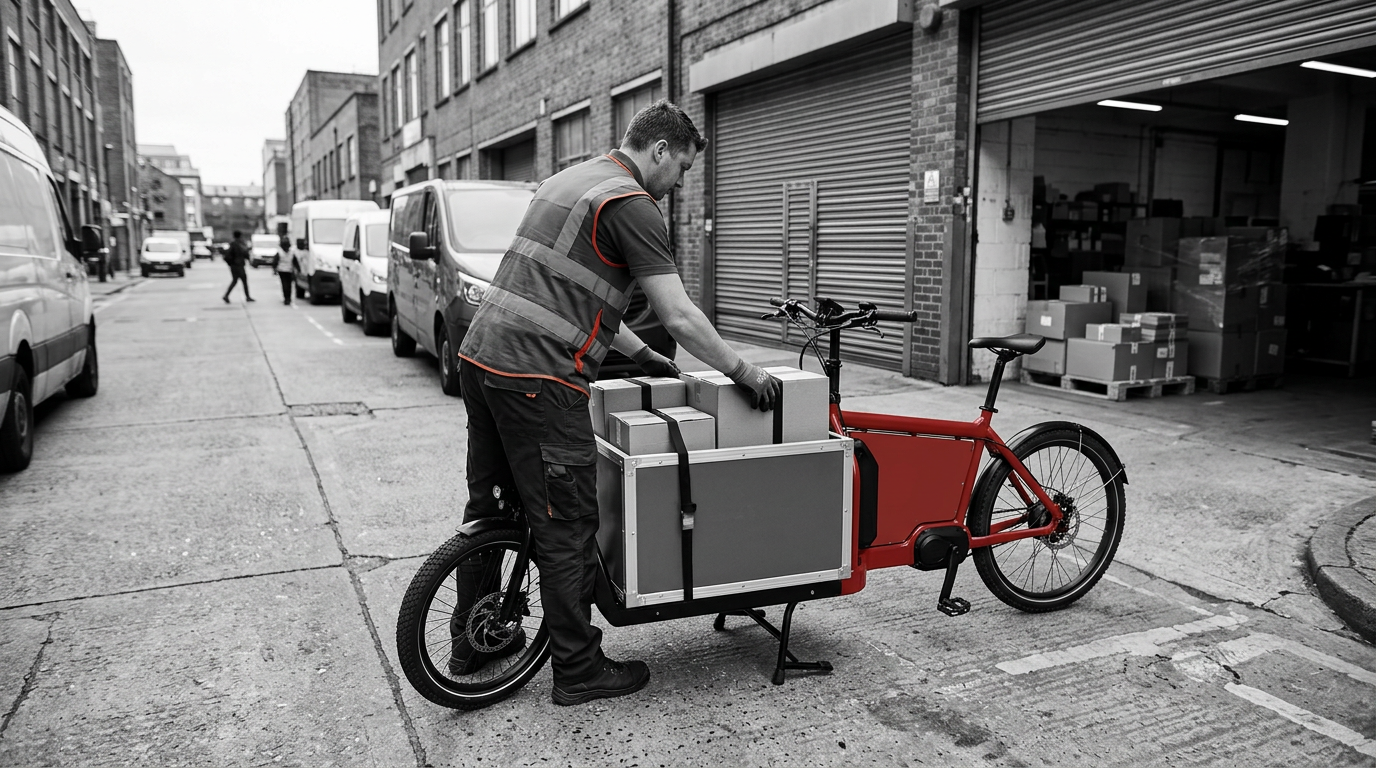
The District Department of Transportation announced a new MicroFreight DC pilot today in partnership with Amazon to bring electric cargo‑bike deliveries to neighborhoods across Washington. The program will test small, battery‑assisted cargo bicycles as a last‑mile delivery option, with the goal of quieter, safer and lower‑impact deliveries in residential and commercial corridors.
DDOT described the initiative as a pilot intended to explore how e‑cargo bikes can be integrated into the city’s curbside operations and delivery system. The program will allow the agency to gather data on curb use, traffic interactions, load‑handling practices and neighborhood impacts while working directly with a private delivery partner.
What the pilot will test
Officials said the pilot will focus on operational questions rather than a full service rollout: how e‑cargo bikes access buildings, where they stage at the curb, how they move through busy streets and how residents and businesses react to the presence of new delivery vehicles. The deployment is described as a limited, trial phase intended to inform potential changes to curb policy and logistical planning.
DDOT and its partner will monitor metrics such as delivery speed, safety incidents, sidewalk and bike lane interactions, and local noise. The agency will use that information to evaluate whether a broader adoption of microfreight—small electric vehicles and bikes—could reduce delivery‑truck trips and ease curb congestion in dense areas of the city.
Why neighbors and businesses should pay attention
For residents, the pilot could mean less noise from diesel vans and fewer block‑long delivery stops on narrow streets. For small businesses and building managers, it could change how packages arrive and where deliveries are staged. The pilot also engages the city’s ongoing effort to manage curb space more actively as part of a broader push to prioritize safety, multimodal access and efficient goods movement.
Local transportation planners have increasingly looked to micro‑mobility solutions for last‑mile logistics, and this trial will provide district‑specific data. The partnership with a major delivery company allows DDOT to observe commercial operations at scale while retaining control over the pilot’s parameters and data collection.
The program underscores a shift in municipal attention to how goods move through neighborhoods and the role curb policy plays in reconciling deliveries with public space use. The pilot will also inform discussions about equity and access, including whether microfreight can serve lower‑traffic residential blocks as well as commercial corridors.
DDOT will publish findings from the pilot after the trial period and use the results to consider regulatory or operational changes. City officials say the program is exploratory and designed to surface lessons before any permanent policy changes.
Watch for DDOT updates on pilot locations, timelines and early results as the agency gathers data and community feedback.