DC Residents Tackle Rodent Problem with Innovative Study
A coalition in Washington D.C.'s Kingman Park is pioneering a yearlong study to curb rat populations using novel contraception and sanitation.
Sophie McAlister ·
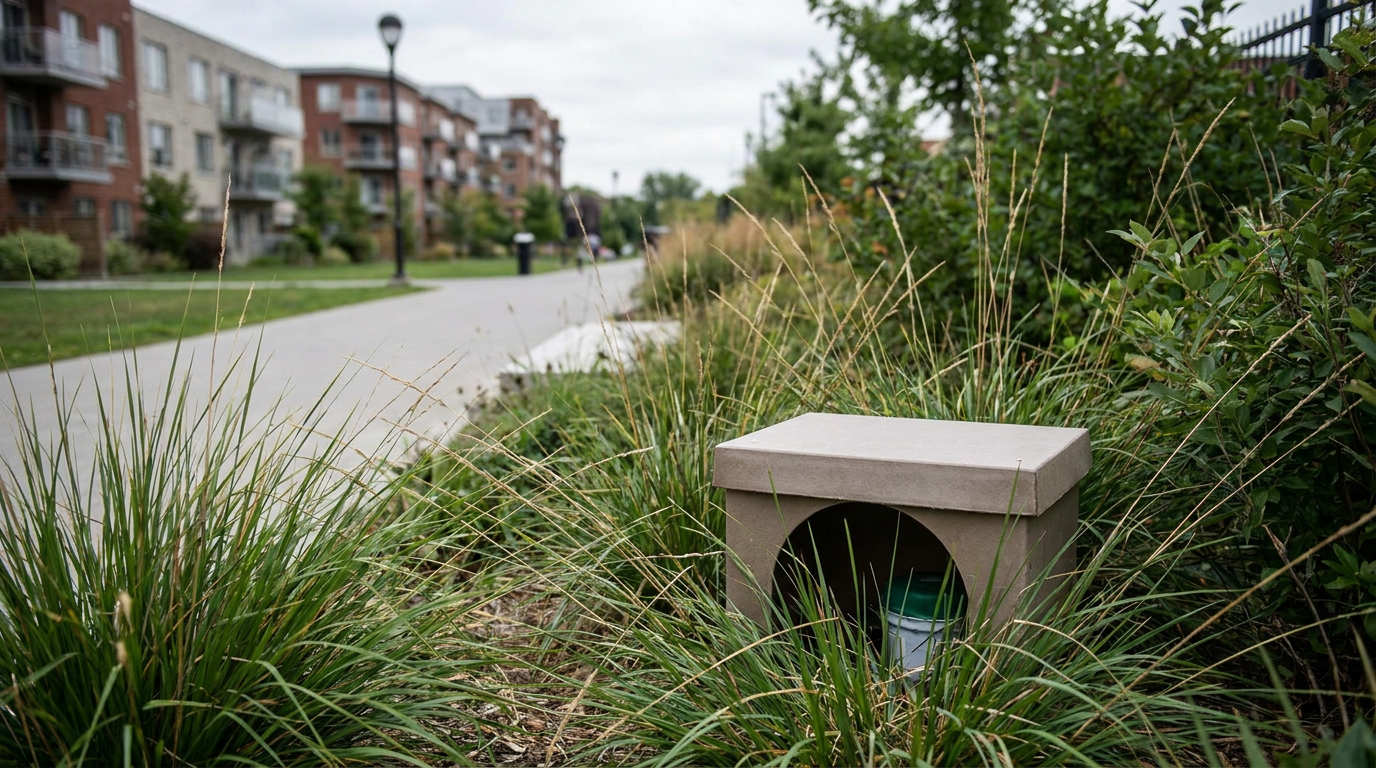
Kingman Park Launches Rodent Management Study
The D.C. Responsible Rat Management Coalition has initiated a comprehensive, yearlong study in the Kingman Park neighborhood of Northeast Washington D.C. This ambitious project aims to tackle the District's persistent rat problem through a dual-pronged approach: enhanced sanitation and the introduction of a new rodent contraceptive.
This initiative represents a significant step beyond traditional abatement methods, focusing on both prevention and population control. The study commenced as part of a broader effort to reduce rodent proliferation across the city.
Innovative Contraceptive Piloted
Central to the coalition's strategy is the deployment of an edible rat contraceptive developed by the fertility nonprofit Wisdom Goodworks. This new birth control method is specifically designed to be appealing to rats, aiming to be more attractive than the readily available food scraps found in urban environments.
Max Broad, Executive Director of D.C. Voters for Animals, emphasized the novelty of this approach, distinguishing it from the D.C. Department of Health's separate contraceptive pilot, which still incorporated rodenticides. The coalition’s study will strictly avoid such harmful chemicals.
Researchers are keenly observing the efficacy of this new contraceptive. The ongoing study will provide critical data on its success in reducing rat reproduction rates within the Kingman Park area.
Tackling Food Waste and Sanitation
Beyond contraception, the coalition underscores the crucial role of improved sanitation in rat management. Broad highlighted that human-controlled factors, particularly food waste accumulation, significantly drive rat population growth in the District.
Rats are prolific breeders, capable of producing numerous litters annually, especially when food sources are abundant. Restricting access to these food sources is paramount for long-term control.
Residents are encouraged to adopt better waste management practices, including reducing food waste and utilizing secured composting stations provided by the District. These measures directly impact the rats' access to sustenance, thereby limiting their ability to thrive and multiply.
Implications for District-Wide Rat Control
The outcomes of the Kingman Park study could inform future rat abatement strategies across Washington D.C. Success in integrating both novel contraception and enhanced sanitation could provide a scalable model for other neighborhoods grappling with similar issues.
This localized effort in Kingman Park, observed keenly by residents and officials alike, holds the potential to reshape how the District approaches urban pest control. The focus on non-lethal, preventative measures reflects an evolving philosophy in city management.