Official DC.gov events calendar lists District government and community programming
Find public programs, agency briefings, community meetings & cultural events on the official DC.gov events calendar. Plan your civic engagement!
Sophie McAlister ·
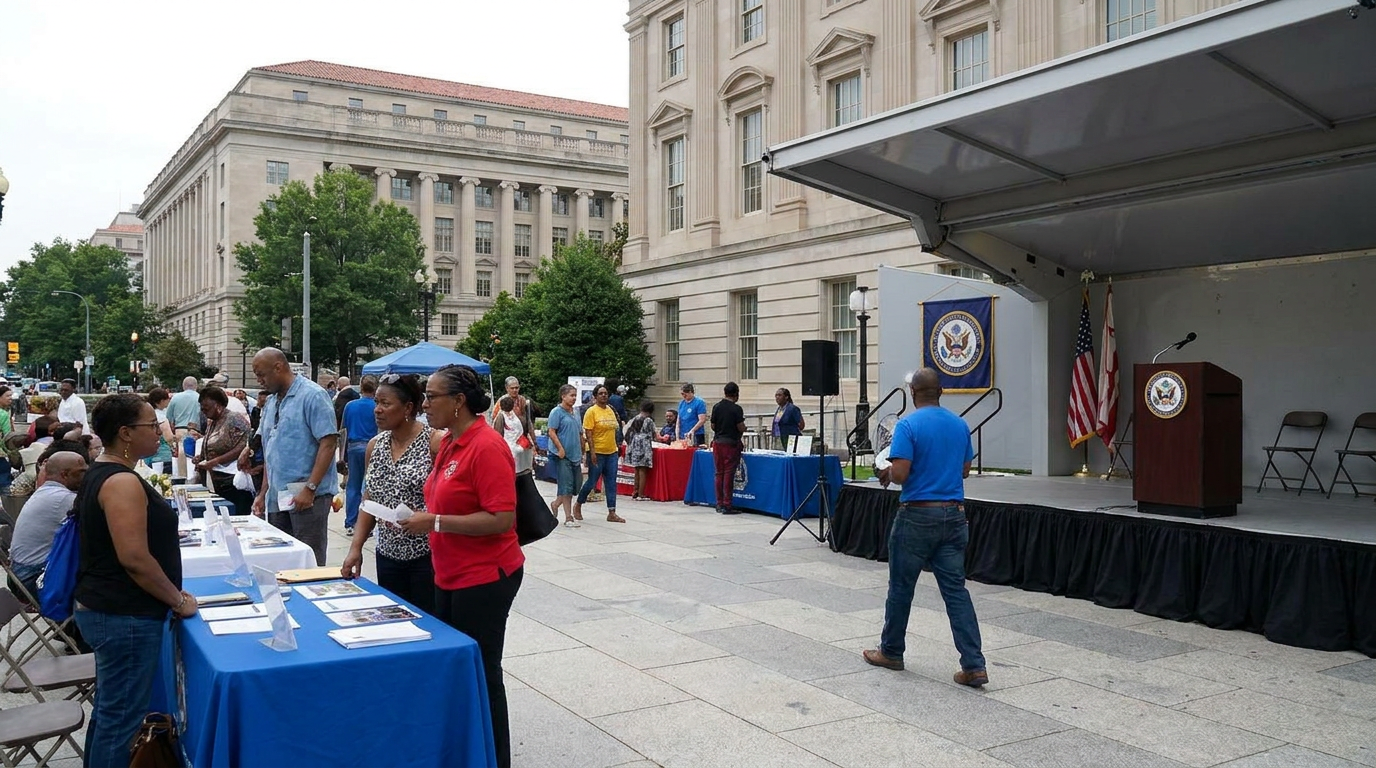
The District of Columbia publishes an official events calendar on its government website that lists upcoming public programs, agency briefings, community meetings and cultural activities across the city. The calendar is available on DC.gov and is intended for residents, visitors and local organizations seeking public-facing events produced by District government offices and partner organizations.
The listings cover a mix of city-hosted and city-endorsed programming: public hearings and advisory-board meetings, neighborhood outreach and engagement sessions, public workshops and information sessions run by District agencies, plus community-oriented cultural events that involve city partners. Each entry typically includes a title, date and location so readers can see what is happening in specific neighborhoods.
Users can access the calendar from the DC.gov homepage and filter by date or browse events by topic or agency. The page centralizes scheduling information so residents do not need to track multiple agency pages for basic details about public meetings and city-run programming. Local community groups and nonprofits also use the calendar as a reference to avoid scheduling conflicts with major city events.
How the calendar is organized
Event entries on the official calendar are grouped by date and often indicate the District office or agency sponsoring the item. Typical listings include neighborhood forums, public comment periods, and information sessions about city services. For many items the calendar lists a physical location or an online meeting link; some entries point to registration pages or contact details for organizers.
The centralized view is designed to reflect the breadth of municipal activity across neighborhoods — from downtown advisory hearings to community programming in residential wards. For people tracking Council-related or agency-led meetings, the calendar provides a single reference point to confirm dates, times and basic access information.
Who uses the calendar and why it matters
Residents, community leaders, small-business owners and neighborhood associations regularly consult the official events calendar to plan participation, submit public comment, or avoid scheduling conflicts. City staff and partner organizations use it to publicize programs and extend outreach beyond individual agency audiences.
The calendar also serves as a pragmatic tool for reporters, researchers and service providers who track local government activity across multiple neighborhoods and policy areas.
As local public life continues to recover and adapt following recent years of shifting event formats, the calendar remains a practical way for the District to centralize public-facing scheduling and improve transparency about city programming.
What to watch next: residents should check the calendar regularly for updates to public hearings and community outreach sessions, and subscribe to agency newsletters or contact event organizers directly for registration details or access instructions.