DC.gov’s official events calendar centralizes city programming and public notices
Find official public programs, agency notices, and community meetings on the DC.gov events calendar, the authoritative source for civic engagement.
Sophie McAlister ·
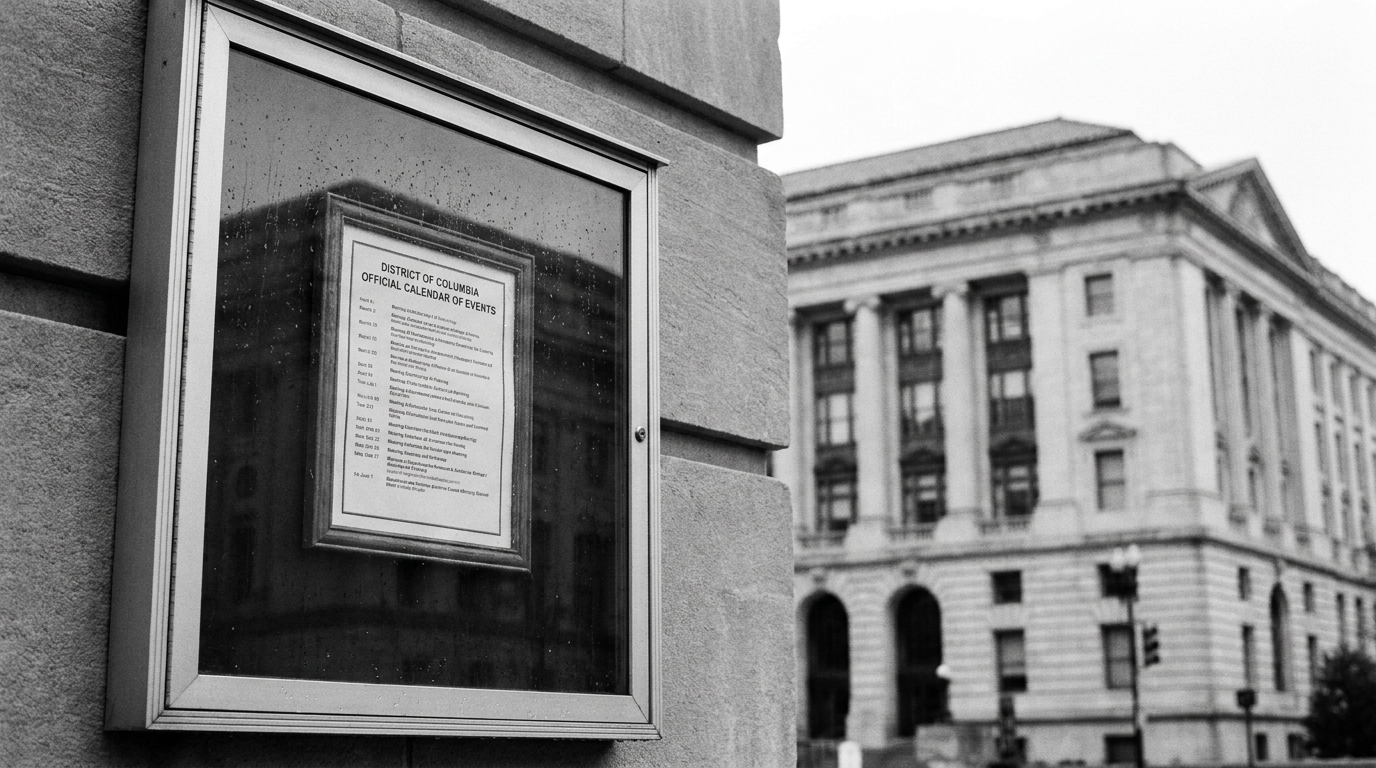
The District of Columbia maintains an official events calendar on DC.gov that centralizes public programs, agency notices and community meetings across neighborhoods. The calendar aggregates postings from the Mayor’s Office and multiple District agencies and is intended as an authoritative hub for residents, reporters, nonprofit organizers and visitors seeking information about city-run events.
Entries on the calendar cover a range of activity, from public hearings and neighborhood meetings to workshops, cultural programs and agency-led briefings. The page is designed to surface both recurring civic business — such as advisory commission meetings — and one-off public events, providing a single reference point for people tracking city schedules.
How the calendar is structured
The DC.gov events page lists events with basic details that typically include the event title, sponsoring agency or office, and location. Where available, entries link to registration pages, agendas or contact information for organizers. The calendar is searchable by date and often organized so users can browse by agency or topic.
Because the calendar is published by city government, it is used by residents and stakeholders as the official notice source for many public engagements. Community groups, journalists and service providers often consult the page to confirm times and venues for meetings and to find points of contact at city agencies.
Who it serves and why it matters
The calendar serves multiple audiences: residents looking for neighborhood programming, advocacy groups tracking hearings, small businesses planning around city events, and journalists covering civic life. It spans neighborhoods across the District, including Capitol Hill, Chinatown, Anacostia, Shaw, and the waterfront neighborhoods, making it a geographically broad civic resource.
For city agencies and the Mayor’s Office, the calendar offers a way to coordinate public-facing activity and to meet transparency expectations around notices and meetings. For residents, it reduces friction in discovering opportunities for civic participation and accessing services or cultural programming offered by the District.
Practical tips for using the calendar
Users should check the calendar before planning attendance at meetings or events and follow any registration links provided by the event organizers. Because some entries include remote or hybrid options, readers should review each listing for details about how to participate. Organizations that rely on accurate scheduling are advised to confirm details directly with the listed agency contact.
Local partners — from nonprofits to small business groups — can use the calendar to avoid scheduling conflicts and to amplify city programming through their own networks. Reporters and civic monitors can use the calendar as a starting point for public meeting coverage and follow-up requests for documents or materials referenced in posted agendas.
Watch for seasonal shifts and agency-driven campaigns to populate the calendar more heavily during certain months, particularly around budget hearings, public planning cycles and citywide cultural seasons. Residents and stakeholders should continue to rely on DC.gov as their primary official source for city-operated events and notices.