DC DHS Says Rising Family Homelessness Reflects More Families Getting Help, Not Failure
DC Human Services: Family homelessness increases reflect more families using safety nets, not service failures. Find shelter & support in Washington, D.C.
Sophie McAlister ·
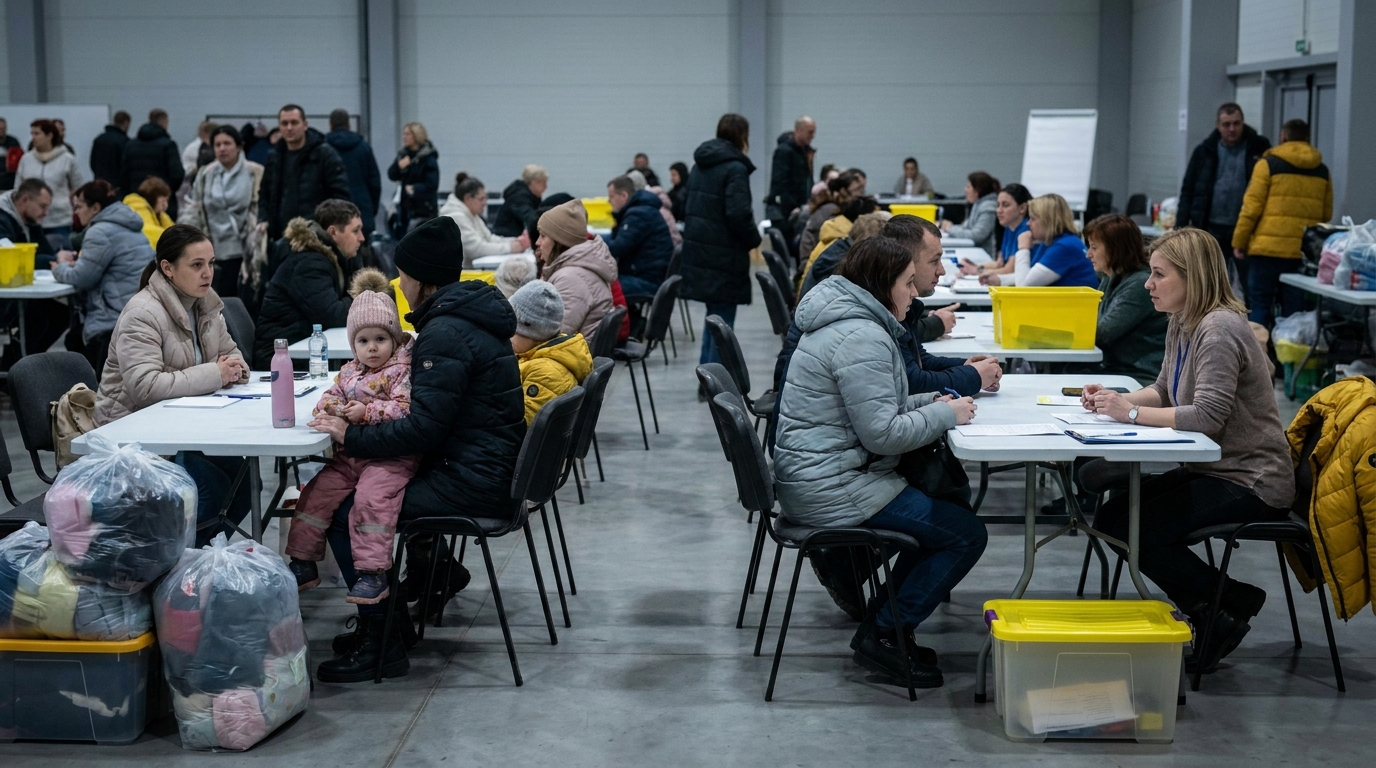
The District of Columbia Department of Human Services published a Director's Corner post explaining why recent increases in family homelessness in the city should be read as evidence that more families are reaching the system for help, rather than a failure of programs. The post, authored by agency leadership, sets out the department’s view on why shelter-entry numbers have risen and how the change reflects shifts in outreach, access and reporting.
According to the department, the spike in families entering shelter aligns with more households who previously remained outside the system now seeking assistance. The agency framed the trend as a sign that outreach and intake efforts are connecting with people who need support. The post also emphasized that interpreting raw shelter-entry counts without context can give a misleading picture of service performance.
What DC DHS is saying
The agency’s Director's Corner piece argues that increased shelter entries can result from several administrative and outreach changes that lower barriers to help. DC DHS says that when more families who had been surviving outside traditional services come forward, headline numbers rise even as the city may be averting longer-term instability for those households. The post stresses that the department is focusing on both emergency shelter and shorter-term solutions that stabilize families and prevent repeated entries.
The post also calls for readers to look beyond monthly counts and consider measures such as exits to permanent housing, referrals to prevention programs and the pace of reentries. The department’s explanation centers on interpreting data in light of policy and operational changes rather than treating a rise in entries as a singular failure metric.
On-the-ground implications for the city
Local providers, shelters and advocacy organizations will be the closest observers of whether the shift described by the department translates into better outcomes for families. If the department’s framing is accurate, more families getting connected to services now could reduce chronic homelessness later. The agency’s post underscores the need for cross-agency coordination and consistent reporting so policymakers and the public can track whether families move into stable housing or return to emergency systems.
City officials have regularly pointed to homelessness policy as a complex mix of prevention, shelter capacity and housing placement. DC DHS’s public explanation is designed to reframe a numerical rise as a potential early-stage success in outreach and access, while acknowledging that work remains to move families into permanent homes.
Watch for updated DHS reports and for any statements from the Mayor’s office or the DC Council that respond to the agency’s framing. Citywide data releases in the coming months will be the clearest test of whether the recent rise in family shelter entries corresponds with improved exits to stable housing.