DC Council’s LIMS: Where to Find Bills, Hearings and Legislative Records
The DC Council’s Legislative Information Management System (LIMS) on dc.gov is the official online repository for the council’s bills, resolutions, committee…
Sophie McAlister ·
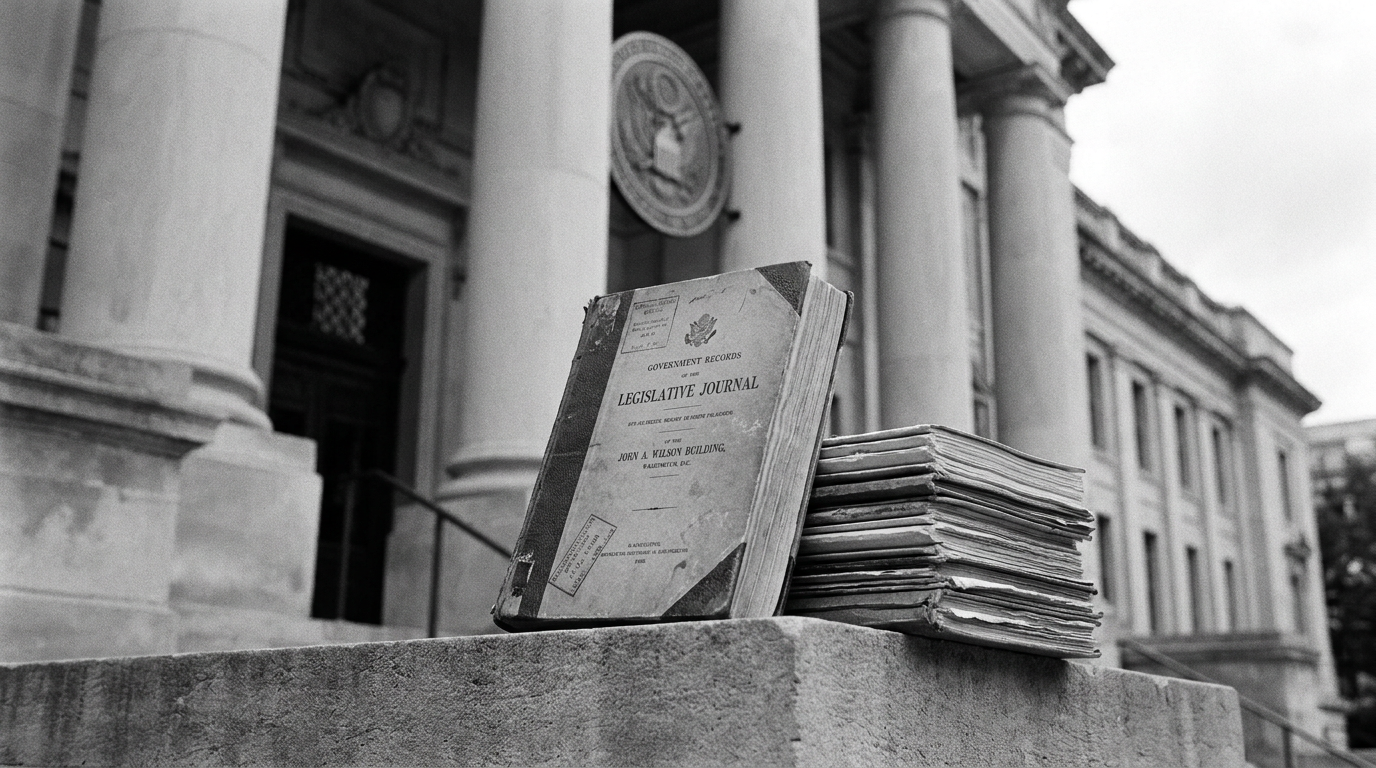
The DC Council’s Legislative Information Management System, accessible via the council’s official dc.gov site, serves as the district’s primary public repository for council bills, resolutions, committee notices and meeting records. The portal is designed for residents, journalists, researchers and stakeholders who need direct access to legislative documents and the council’s workflow.
The system consolidates records for the council’s legislative calendar and provides searchable access to text of measures, status updates, committee reports and agendas. Users can generally look up items by bill number, subject, sponsor or committee, and view the current status of proposals as they move through the council process.
How residents and stakeholders use LIMS
Community groups and neighborhood leaders rely on the platform to track legislation that affects zoning, public safety, education, housing and local services. Advocacy organizations use LIMS to monitor bill introductions and hearing schedules so they can file testimony or prepare comments. Reporters and researchers use the repository to verify language in proposed laws, review committee materials and follow amendments as they are filed.
For council members and staff, the system functions as an administrative hub that records official actions and preserves institutional history. Its searchable records make it easier to trace the evolution of legislation from initial draft through committee review to final votes, providing a paper trail for transparency and public accountability.
Features and practical access
Typical features of a legislative information system include full-text search, status tracking, downloadable documents and calendar views for hearings and votes. These tools help users find relevant materials quickly and confirm when items are scheduled for committee consideration or floor action. The portal is accessible from desktop and mobile browsers, enabling on-the-go checks for practitioners and community members who attend hearings or monitor council business.
While the system centralizes official records, users sometimes consult committee offices or council staff for clarifications on procedural questions, hearing logistics or the status of amendments. The council also publishes meeting notices and agendas through the same online channels to ensure the public has timely notice of hearings and votes.
Maintaining an up-to-date digital legislative record supports legal clarity and civic participation. For residents following issues such as budget allocations, public safety measures or zoning changes, the ability to retrieve primary documents and track progress reduces friction for engagement and oversight.
To use the system, visitors should begin with the council’s legislative search page on dc.gov, where they can enter keywords, bill numbers or sponsor names. Many users bookmark the search for regular monitoring of issues of interest.
Looking ahead, council staff and civic-tech partners may continue to refine search, accessibility and data-export options in legislative portals to make records easier to analyze and reuse for reporting or public oversight.