CSIS Examines What the Trump-Xi Summit Achieved in New State of Play Brief
The Center for Strategic and International Studies in Washington published a State of Play analysis titled "What did the Trump-Xi Summit Achieve?
Sophie McAlister ·
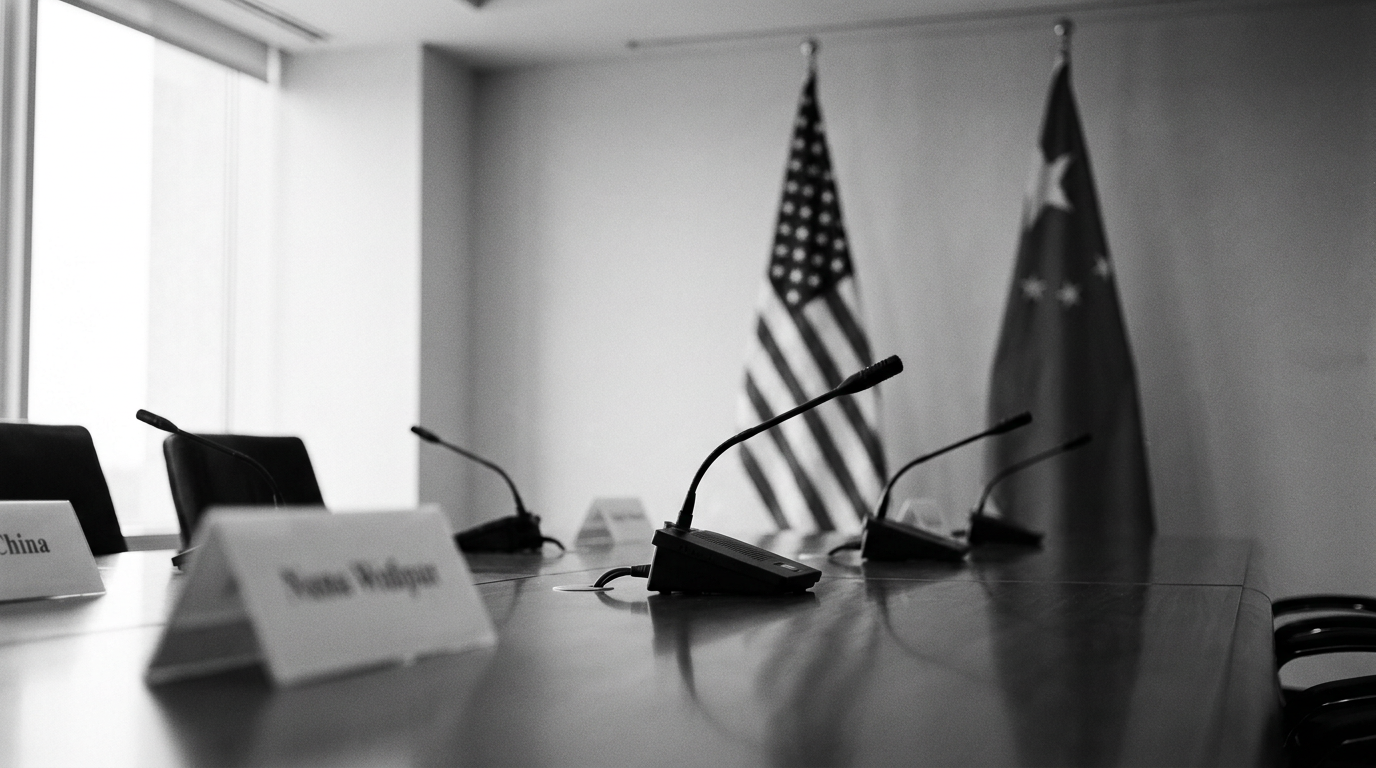
The Center for Strategic and International Studies published a new State of Play analysis titled "What did the Trump-Xi Summit Achieve?" The Washington, D.C.-based think tank's brief evaluates the outcomes attributed to the summit between former President Donald Trump and Chinese leader Xi Jinping and situates those results within broader U.S.-China policy debates.
The short analysis summarizes the public claims about the meeting's progress and frames several policy areas for follow-up, including bilateral diplomacy, trade and economic ties, and strategic competition. It does not, in itself, announce new government action; rather, it interprets the summit's reported developments and outlines how policymakers and institutions in Washington might respond.
How CSIS framed the summit's results
The CSIS State of Play brief organizes the summit's outcomes by theme, highlighting diplomatic messaging, economic signaling, and security-related implications as the principal categories for analysis. The piece is positioned as an explanatory note meant for the policy community: congressional staffers, agency officials, and analysts who follow U.S.-China relations closely.
CSIS authors contextualize the summit within longer-term trends in U.S.-China ties and point to areas where reported understandings could require monitoring. The brief emphasizes how public statements and agreements stemming from high-level meetings feed into implementation questions handled by government agencies and private-sector actors in the capital.
Why the brief matters inside Washington
CSIS is headquartered on K Street in Washington and routinely produces short-format analysis and events used by Capitol Hill staff, federal officials, and policy practitioners. This State of Play installment is meant to translate the summit's public narrative into a clearer set of issues for the D.C. policy community to examine—particularly on trade, diplomatic channels, and strategic rivalry.
The note does not claim to produce primary reporting of new agreements beyond the summit’s public statements; it functions as a synthesis aimed at an audience that will parse those statements into legislative, regulatory, and strategic responses.
CSIS's analysis is part of a broader pattern of think-tank output that helps shape hearings, briefings, and media coverage in Washington. For officials and staffers tracking U.S.-China relations, the brief offers a compact read on where the summit might change near-term priorities or practical coordination between agencies.
Look for CSIS to host follow-up events or deeper digests as implementation details emerge and as Capitol Hill, agencies, and private actors assess whether summit-level statements translate into policy or operational changes.