Inside DC's Central Collections Unit: How the city manages delinquent debts
The District’s Central Collections Unit centralizes collection of delinquent debts owed to the city and provides payment options and information for…
Sophie McAlister ·
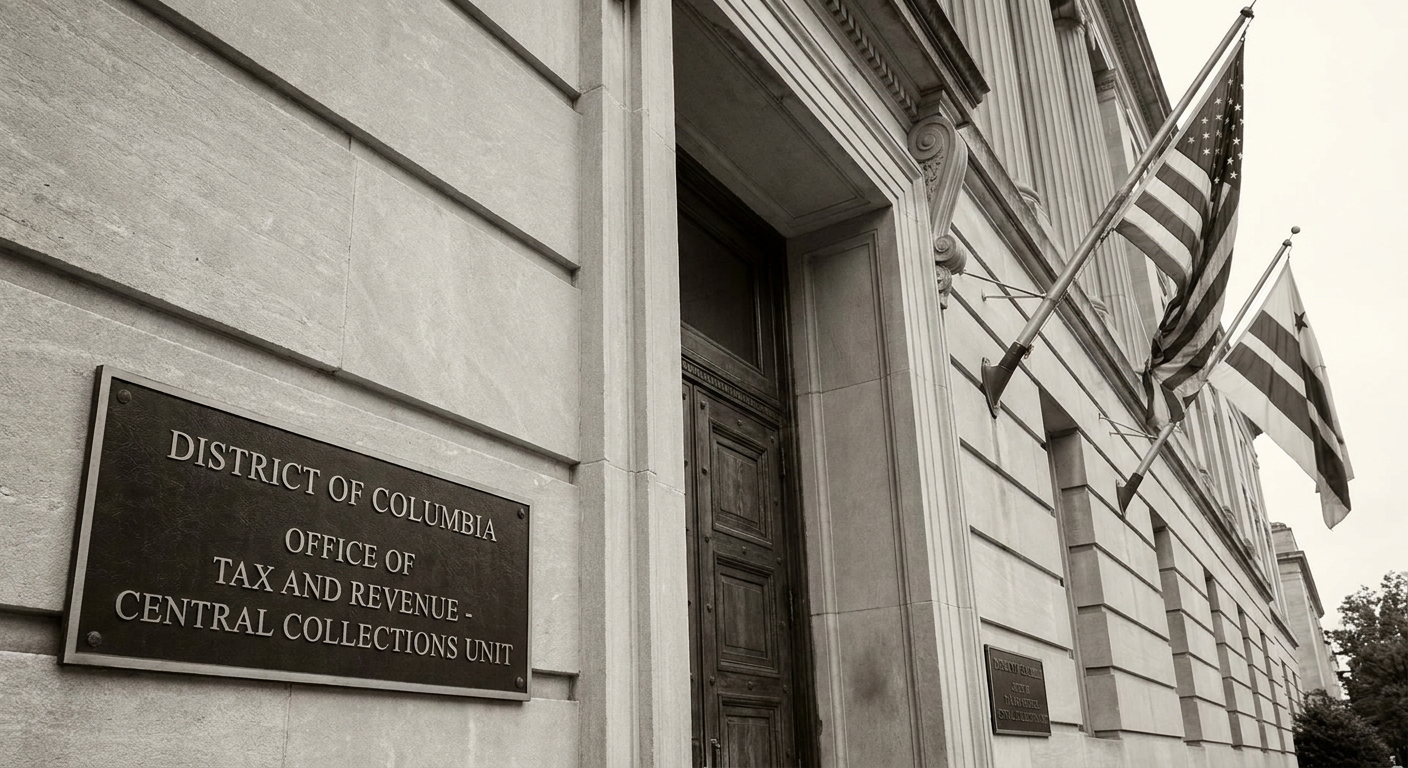
The District of Columbia’s Central Collections Unit (CCU) serves as the city’s centralized office for collecting delinquent debts owed to the District, according to the official DC government website. The unit handles accounts stemming from multiple District agencies and provides information and options for residents and businesses to resolve outstanding balances.
Per DC.gov, the CCU is responsible for coordinating collection activity across the District’s agencies, maintaining centralized records of overdue accounts, and managing outreach to debtors about payment obligations and options. The office also oversees referrals and administrative processes that move accounts from initial billing to collection stages.
What the Central Collections Unit does
The CCU consolidates debts that various District agencies report as delinquent, creating a single point of contact for collection efforts. It provides guidance on payment plans and account resolution, and it documents account status updates so agencies and debtors have a common record. The office’s role is administrative and procedural: ensuring accounts are tracked and that collection steps follow District policy.
The unit also details the steps residents and businesses can take to address outstanding debts, including how to request account information, discuss repayment options, and submit disputes or questions about a bill. The CCU page on the District’s site lists contact methods and directs users to the appropriate agency or program when specialized review is required.
How this affects DC residents and businesses
For residents and local businesses, the CCU’s centralized approach means one office helps coordinate multiple kinds of unpaid obligations to the city. That can simplify payments and dispute resolution for people juggling accounts with different District agencies. At the same time, centralized tracking means overdue balances are more likely to move through standard collection processes if not addressed.
Businesses that contract with or operate inside the District should also be aware of the CCU’s role: unpaid fees or fines reported by permitting or licensing agencies may be routed into the CCU process, creating a single administrative path for resolution. The District’s guidance emphasizes resolving accounts promptly to avoid escalation through later administrative steps.
The CCU page also explains key next steps for those who owe money: how to get account details, how to apply for repayment arrangements where applicable, and how to escalate questions to the originating agency if necessary. The District encourages people with questions or financial hardship to contact the CCU to explore options.
District leaders and agency managers use the CCU to monitor revenue owed to the city and to maintain consistent procedures across programs, which affects budgeting and fiscal reporting for the District.
Watch for updates to the Central Collections Unit’s guidance or contact channels on the District’s website, particularly around budget cycles or policy changes that could alter repayment options or referral practices.