CSIS: Beijing Appears Confident as President Trump Visits — What DC Should Watch
The Center for Strategic and International Studies published an analysis arguing that Beijing is projecting confidence during President Trump's visit.
Sophie McAlister ·
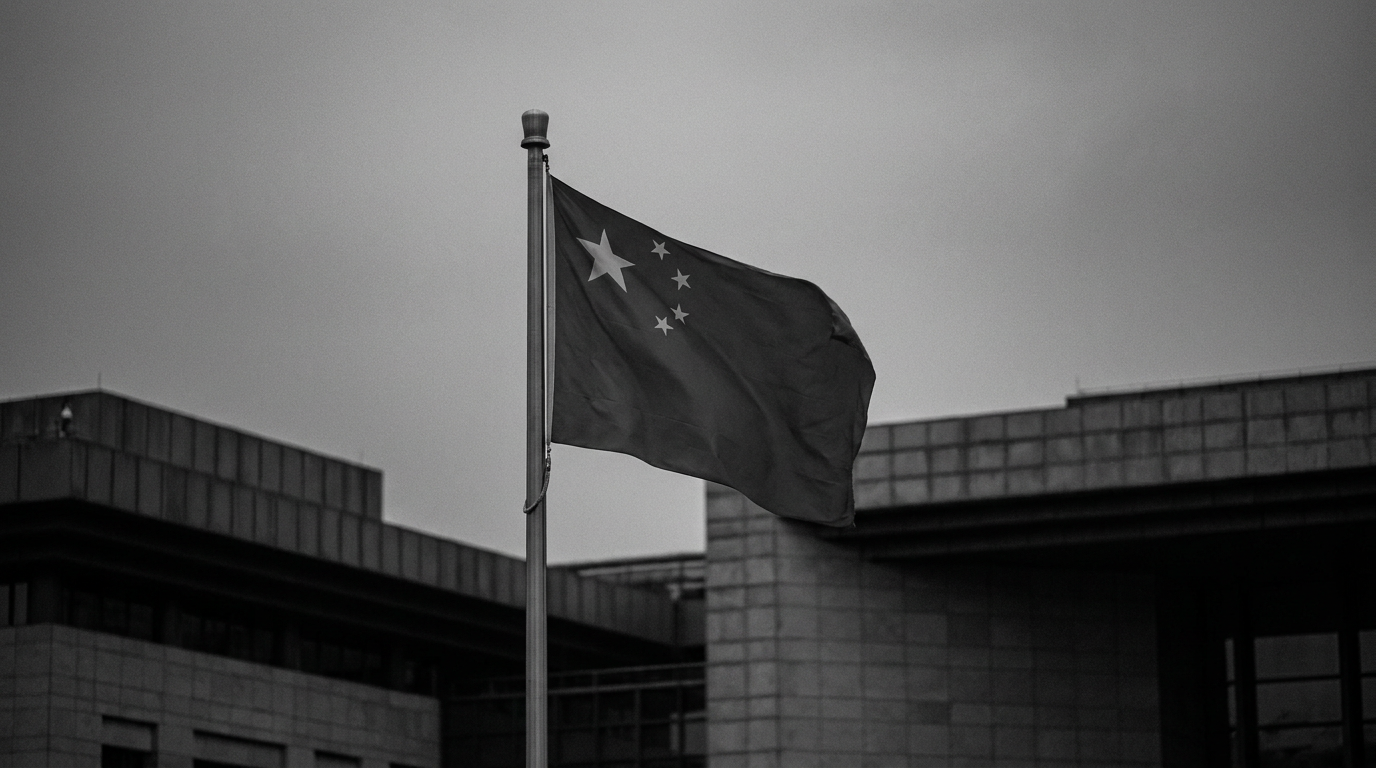
The Center for Strategic and International Studies, a Washington, D.C.-based think tank, published an analysis titled "A Confident Beijing Welcomes President Trump" this week examining how Chinese leaders are framing the president’s visit to Beijing. The piece assesses Beijing’s public messaging, diplomatic choreography, and broader strategic posture toward the United States during the bilateral encounter.
The CSIS analysis characterizes Beijing’s approach as confident and controlled, arguing that Chinese officials are seeking to project stability and normalcy while advancing Beijing’s long-term strategic interests. The paper situates the choreography of official meetings within a larger diplomatic strategy that blends economic signaling, state media narratives, and careful public messaging.
Authors note that Beijing’s posture is intended to send multiple signals at once: reassurance to domestic and regional audiences, calibration to foreign investors, and a demonstration of leverage in bilateral ties. The analysis highlights how state-level visits are used not only for immediate agreements but also for shaping narratives that will influence policy debates in capitals, including Washington.
How CSIS frames Beijing’s strategy
The piece emphasizes that the optics of a presidential visit matter as much as any specific bilateral outcome. CSIS points to public messaging strategies, the role of official events and media coverage, and how symbolic gestures are employed to reinforce a narrative of Chinese confidence. It argues that Beijing is balancing displays of openness to cooperation with reminders of China’s economic and geopolitical weight.
CSIS situates the visit against the backdrop of ongoing tensions on trade, technology, and security. The analysis suggests that Chinese leaders are attempting to manage expectations — seeking concrete benefits where possible but placing equal value on demonstrating that China can navigate great-power competition without appearing reactive or conciliatory.
Implications for Washington audiences
Because CSIS is headquartered in downtown Washington and regularly advises congressional staff, administration officials, and policy communities, its read of Beijing’s posture is likely to resonate in local policy conversations. The brief provides a framework for lawmakers and staffers to interpret the diplomatic signals that emerge from the visit, and it highlights topics that are likely to re-emerge in hearings and strategy discussions.
The analysis cautions that diplomatic theater can both obscure and shape concrete policy choices. For Washington audiences, parsing the balance between symbolism and substance will be key to deciding whether to pursue short-term cooperation, press for concrete concessions, or double down on containment measures.
Watch how Chinese state media and official statements follow the visit, and whether any economic or security pledges are accompanied by measurable policy changes. That sequence will determine whether Beijing’s confident posture translates into durable shifts or remains primarily symbolic.