Costco Faces Lawsuit Over Tariff Refund Distribution
Costco faces a class action lawsuit in Illinois over tariff refunds, alleging consumers should receive reimbursements from a $166 billion pool.
Atlas Newsdesk ·
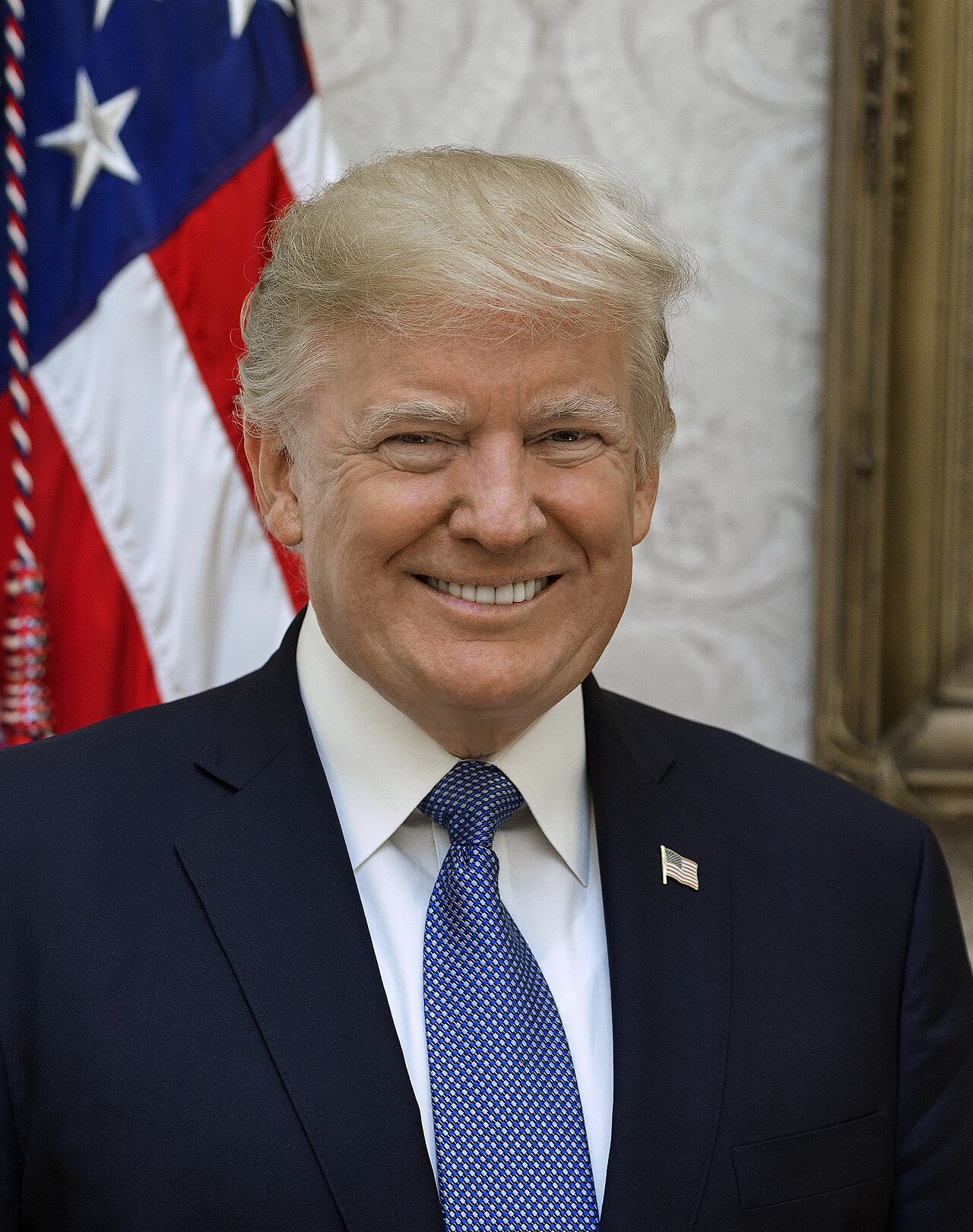
Costco Wholesale Corporation is facing a proposed class action lawsuit in Illinois federal court regarding the distribution of potential tariff refunds. S. government after consumers allegedly absorbed these costs through higher prices. S. Supreme Court ruling that invalidated numerous tariffs imposed during the Trump administration, potentially leading to substantial refunds for importers.
Background on Tariff Invalidations
The Supreme Court's decision last month effectively nullified tariffs previously levied under the International Emergency Economic Powers Act (IEEPA). This ruling has opened the door for an estimated $166 billion in tariff refunds to be disbursed to companies that paid these duties.
The Court of International Trade has subsequently directed the government to commence processing these reimbursements, although the exact timeline and the ultimate recipients of these funds remain subjects of ongoing discussion.
Consumer Burden and Corporate Response
According to the lawsuit, consumers bore a significant portion of the tariff burden. A Goldman Sachs report cited in the filing suggests that approximately two-thirds of the new tariff costs were passed on to consumers. Costco is among thousands of businesses seeking these refunds. Costco CEO Ron Vachris has publicly stated the company's intention to pass on any received refunds to its members through reduced prices, aligning with the company's value proposition.
Broader Industry Implications
Other major corporations, including FedEx, have also indicated plans to return funds to affected businesses and consumers once refunds are processed. The Trump administration has requested a 45-day period to develop a new electronic system for managing these refunds, highlighting that current governmental infrastructure is not equipped to handle the volume of over 330,000 eligible importers.
This administrative challenge underscores the complexity of distributing such a large-scale reimbursement.
Legal and Economic Ramifications
The lawsuit against Costco highlights a broader debate concerning the equitable distribution of tariff refunds. While companies are directly receiving the reimbursements, the legal argument centers on whether consumers, who indirectly paid these tariffs, are entitled to a share. The outcome of this class action could set a precedent for how other companies handle similar refunds, potentially influencing consumer trust and corporate responsibility in the wake of significant policy changes.
The situation also brings into focus the economic impact of trade policies and the mechanisms for rectifying their financial consequences on both businesses and the end consumer.
Implications
Country Impact: The U.S. legal system faces the challenge of adjudicating consumer claims against corporations for tariff refunds, potentially setting precedents for future trade policy adjustments. The government also needs to establish efficient mechanisms for large-scale financial reimbursements.
Industry Impact: The retail and import sectors, particularly large corporations, face increased scrutiny regarding their handling of tariff refunds. Companies may need to develop clear policies for distributing these funds to maintain consumer trust and avoid legal challenges.
Market Impact: The potential for significant tariff refunds could influence corporate balance sheets and consumer spending, depending on how widely and quickly these funds are disbursed. Legal outcomes could impact stock valuations for companies involved in similar disputes.