Cuba Confirms Bilateral Talks with United States
Cuban President Miguel Díaz-Canel confirmed on Wednesday that Cuba is engaged in discussions with the United States to address bilateral differences.
Lauren Collins ·
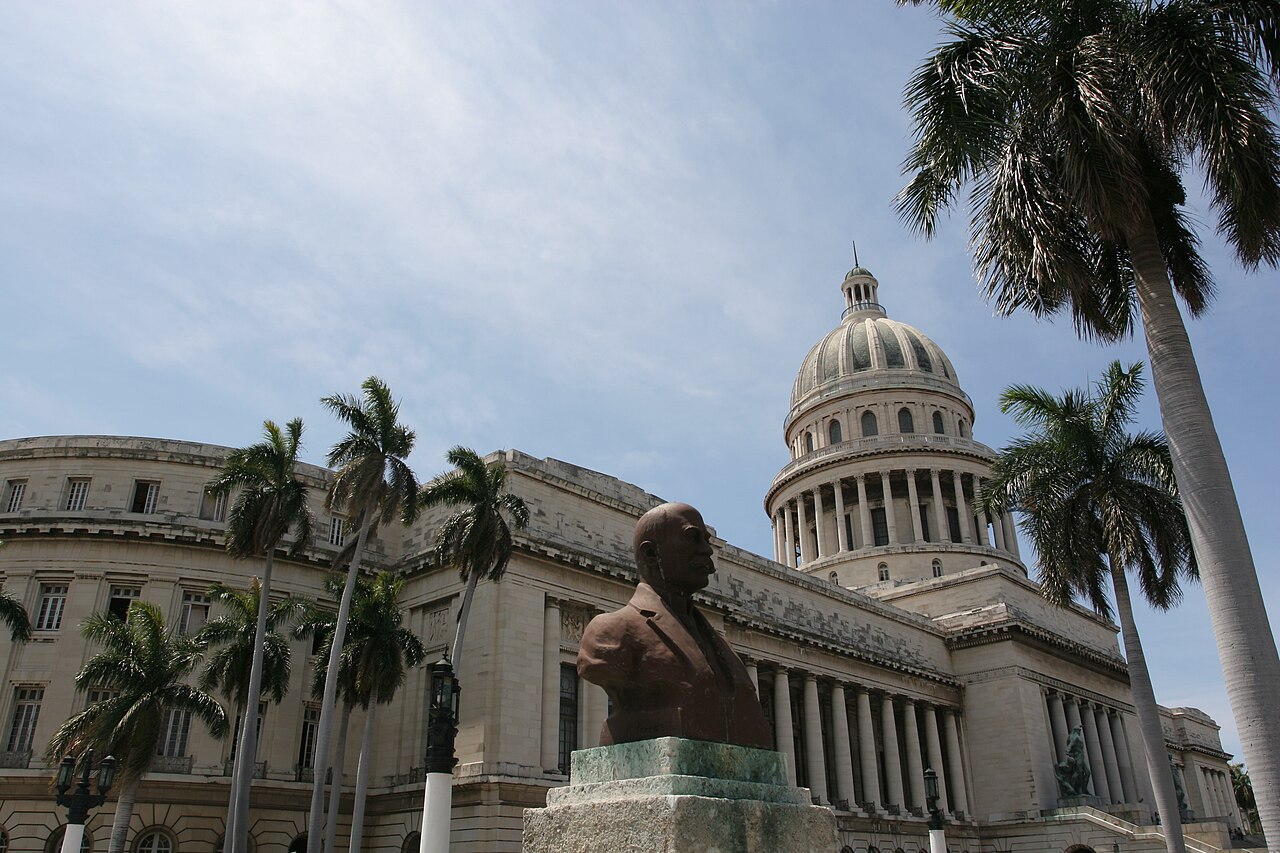
Cuban President Miguel Díaz-Canel confirmed on Wednesday that diplomatic discussions are underway between Cuba and the United States. These engagements aim to address persistent bilateral disagreements that have characterized relations between the two nations for decades. The acknowledgment by the Cuban head of state signals a continued, albeit often discreet, diplomatic channel.
Diplomatic Engagement Confirmed
The confirmation from President Díaz-Canel underscores an ongoing effort to manage the complex relationship between Havana and Washington. While specific details regarding the frequency or agenda of these talks were not disclosed, the public statement indicates a willingness from both sides to maintain a dialogue, even amidst broader geopolitical tensions.
Historical Context of U.S.-Cuba Relations
Relations between the United States and Cuba have been largely adversarial since the 1959 Cuban Revolution. The U.S. imposed a comprehensive economic embargo in the early 1960s, which remains largely in effect. Despite a brief period of rapprochement during the Obama administration, which saw the restoration of diplomatic ties in 2015, subsequent U.S. administrations have reimposed and expanded sanctions, citing human rights concerns and Cuba's support for Venezuela.
Previous Attempts at Dialogue
Historically, both overt and covert discussions have occurred between the two countries, often driven by specific crises or humanitarian concerns. The current confirmation by President Díaz-Canel suggests a more formalized, albeit still opaque, process of engagement. Such talks typically involve representatives from foreign ministries or specialized diplomatic envoys.
Why Dialogue Persists
Despite deep ideological differences and policy disagreements, both nations have pragmatic reasons to engage. For Cuba, dialogue offers a potential pathway to easing economic pressures and addressing issues like migration. For the United States, engagement can serve to manage regional stability, address consular matters, and potentially influence human rights conditions, even if direct policy shifts remain elusive.
Outlook for Future Engagements
The confirmation of these talks does not necessarily signal an immediate shift in policy from either side. Instead, it highlights the enduring necessity for communication channels to prevent escalation and manage shared concerns, such as migration flows and regional security. Future progress will likely depend on the political will and priorities of both governments, particularly as the U.S. approaches another presidential election cycle.
Implications
Country Impact: For Cuba, continued dialogue offers a potential avenue for addressing economic challenges and managing international relations, though immediate policy changes from the U.S. are unlikely. For the U.S., these talks provide a channel to discuss regional stability and consular issues without necessarily altering its long-standing embargo.
Industry Impact: The confirmation of talks has minimal direct impact on specific industries given the enduring U.S. embargo. However, any future easing of restrictions could significantly affect Cuban tourism, agriculture, and energy sectors, as well as U.S. companies seeking market access.
Market Impact: Global financial markets are unlikely to react significantly to the confirmation of bilateral talks, as the U.S. embargo remains in place and any substantial policy shifts are not anticipated in the short term. The news primarily signals diplomatic continuity rather than economic change.